Engine Oil Shelf Life Calculator
Calculate Oil Safety
When we talk about engine oil is a lubricant specially formulated to reduce friction, dissipate heat, and protect internal engine components, the first question most owners ask is how long it can sit idle before it stops doing its job. The answer isn’t a simple number on a calendar - it depends on chemistry, temperature, mileage, and how you store the vehicle. In this guide we’ll break down the science, list the real‑world factors, and give you clear rules of thumb so you never stare at a dark‑brown dipstick wondering if it’s still good.
What Makes Oil Go Bad?
Oil degrades through three main mechanisms: oxidation, thermal breakdown, and contamination.
- Oxidation - When oil is exposed to oxygen at high temperatures, the molecules start to form acids and sludge. This process is measured by the oil’s oxidation stability rating, usually reported in minutes of the ASTM D525 benchmark.
- Thermal breakdown - Engine heat can crack the long‑chain hydrocarbons that give oil its viscosity. Once the viscosity drops, the oil can’t maintain a protective film, leading to increased wear.
- Contamination - Dirt, fuel, metal particles, and moisture all dilute the oil’s effectiveness. Even a few percent of water can cause rust and cause the oil to turn milky.
Each of these processes speeds up when the oil sits idle, especially in a hot garage or a cold, damp environment.
Factors That Speed Up Oil Degradation
Knowing what accelerates oil decay helps you estimate a safe storage window.
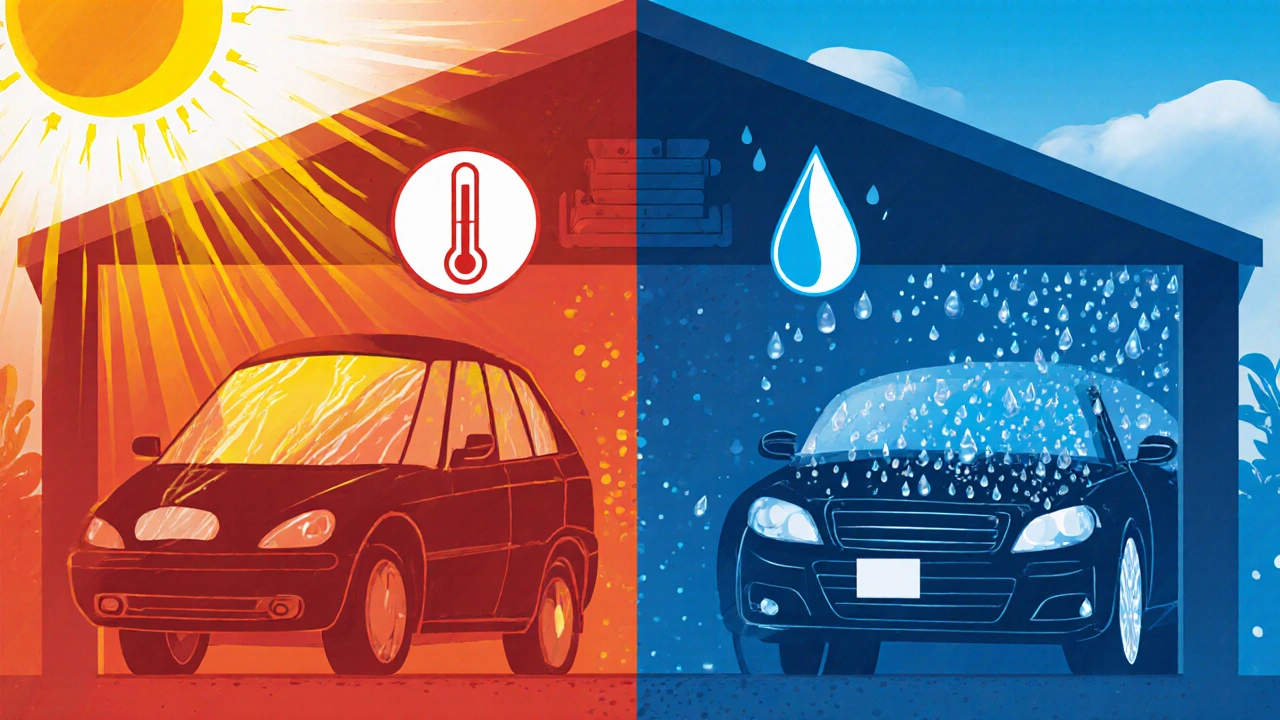
- Temperature extremes - Every 10°C rise roughly doubles the oxidation rate (Arrhenius principle). A car parked in a summer‑heat garage can see oil age twice as fast as one stored in a climate‑controlled shed.
- Engine load before shutdown - If you turn the engine off while it’s still hot, the oil remains at high temperature for a while, giving oxidation a head start.
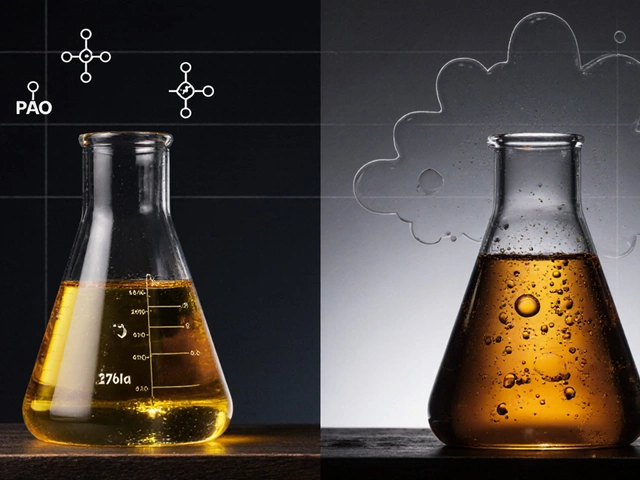
- Oil type - Conventional mineral oil contains fewer anti‑oxidants than synthetic blends, so it typically degrades faster.
- Fuel dilution - Short‑run trips that don’t reach operating temperature leave unburned fuel in the sump, breaking down oil faster.
- Moisture ingress - Condensation forms in a cold engine overnight, especially if the vehicle sits with the exhaust cold.
How Long Can Oil Really Sit Before It Fails?
There’s no universal “30‑day rule.” The practical timelines look like this:
- Newly changed synthetic oil - Up to 6months (or 5,000km) of idle time in a temperate garage before measurable oxidation occurs.
- Conventional mineral oil - Roughly 3months (or 3,000km) of idle time. After that, sludge formation becomes noticeable in lab tests.
- High‑mileage blends - Designed for older engines, they sit a bit longer - about 4months - but still fall short of full synthetics.
These numbers assume the vehicle is stored upright, the seal on the oil pan is intact, and the ambient temperature stays between 10°C and 25°C. Push the temperature higher or store the car in a damp basement, and you should halve those windows.
Signs Your Oil Has Gone Bad
Even if you’ve exceeded the recommended idle time, the oil may still be usable - until you see one of these red flags:
- Dark, almost black color with a burnt smell.
- Milkiness or a frothy appearance, indicating water contamination.
- Visible sludge or particles on the dipstick.
- Engine noise that wasn’t there before - especially ticking or knocking.
- Reduced fuel economy (often 3‑5% drop) as friction increases.
If any of these appear, change the oil immediately; running a partially degraded oil can cause expensive wear.
Guidelines for Safe Storage and Change Intervals
Here’s a practical checklist you can keep in the glove box:
- Record the date and mileage of every oil change.
- If the car will sit for more than 2months, run the engine for 5 minutes after a cold start to burn off moisture.
- Store the vehicle in a shaded, dry place; a simple car cover helps keep temperature swings down.
- Consider adding a high‑quality oil stabilizer (e.g., STP Oil Treatment) if you know the car will be idle for >3months.
- Before a long storage period, perform a full oil change with fresh synthetic oil - it gives the longest buffer.
- When you return, do a quick dipstick check. If the oil level is low, top up with the same grade before starting the engine.

Synthetic vs Conventional: How Storage Differs
| Oil Type | Typical Idle Shelf Life | Key Additives | Best Storage Conditions |
|---|---|---|---|
| Full‑Synthetic | 6 months | High‑level antioxidants, dispersants | Cool (10‑25°C), dry, sealed container if removed |
| Conventional Mineral | 3 months | Basic detergents, fewer antioxidants | Cool, low humidity; consider adding a stabilizer |
| Semi‑Synthetic Blend | 4‑5 months | Mix of synthetic additives + mineral base | Same as full‑synthetic - avoid extreme heat |
The table makes it clear why many enthusiasts prefer full‑synthetic for seasonal vehicles - the extra antioxidants keep the oil stable even when the car roosts for the winter.
Practical Checklist for Checking Oil Health After Storage
- Park the car on a level surface and let it sit for 10 minutes to allow oil to settle.
- Pull the dipstick, wipe clean, re‑insert fully, then pull again.
- Note the color, clarity, and level. Dark, hazy oil indicates oxidation.
- Smell the oil on the dipstick - a burnt, acrid odor means thermal breakdown.
- If any doubt remains, perform a short 5‑minute warm‑up, then re‑check. When the engine reaches normal operating temperature, the oil circulates and any moisture evaporates.
- Decide: top‑up with the same grade, or change the oil entirely if you see any warning signs.
Following these steps takes less than five minutes and can save thousands in engine repair bills.
Frequently Asked Questions
Can I reuse oil that sat in my car for a few months?
If the oil looks clean, smells normal, and passes a viscosity test, you can usually top‑up rather than fully replace it. However, for long‑term storage (>4months) it’s safer to change the oil, especially with conventional blends.
Does cooling the engine before shutdown help oil longevity?
Yes. Letting the engine idle for a minute or two after a hard run reduces heat soak, which in turn slows oxidation during the storage period.
What temperature is worst for oil storage?
Consistently above 30°C (86°F) accelerates oxidation dramatically. A garage that reaches 40°C in summer can cut a synthetic oil’s idle life in half.
Is an oil stabilizer worth adding before long storage?
Stabilizers can extend idle life by 1‑2months for conventional oils, but they don’t replace the benefits of a fresh synthetic change for very long periods.
How often should I change my oil if I drive only a few hundred miles a year?
Even with low mileage, manufacturers recommend a time‑based change every 6‑12months for synthetics and every 3‑6months for mineral oil because oil still ages chemically.