Oil Change Interval: When to Change Your Engine Oil and Why It Matters
When it comes to oil change interval, the recommended time or mileage between engine oil changes. Also known as motor oil service cycle, it’s not just a number on a sticker—it’s the difference between a long-lasting engine and a costly repair. Most people think they need to change oil every 3,000 miles, but that’s a myth from the 1980s. Modern engines and oils let you go much longer—often 7,500 to 10,000 miles, sometimes even 15,000—if you’re using the right type and driving under normal conditions.
But here’s the catch: your engine oil, the lubricant that reduces friction and cools engine parts doesn’t wear out the same way for everyone. If you drive short trips in cold weather, haul heavy loads, or sit in traffic all day, your oil breaks down faster. That’s why a driver in London with a 2020 hatchback might need an oil change every 6 months, while someone in rural Wales with a highway-heavy commute could wait 12. Synthetic oil, a high-performance lubricant made from chemically engineered molecules lasts longer and handles extreme heat better than conventional oil, but it’s not always the best choice. High-mileage engines with worn seals can leak synthetic oil, and some older diesel engines need specific additives that full synthetics don’t provide.
And it’s not just about mileage. Your motor oil types, the different formulations of engine lubricants, including conventional, synthetic blend, and full synthetic matter just as much as when you change them. Using the wrong viscosity? Your engine won’t get proper lubrication at startup. Mixing brands? It might not cause immediate damage, but it can reduce performance over time. Even how you check your oil matters—adding oil to a running engine gives false readings, and skipping the dipstick check means you might not realize you’re burning oil until it’s too late.
What you’ll find below isn’t just a list of articles. It’s a practical toolkit for understanding how oil, engine health, and maintenance habits connect. You’ll see how a failing radiator can overheat your engine and cook your oil. You’ll learn why changing spark plugs on time helps your engine burn fuel cleaner, which keeps oil from getting contaminated. You’ll find out when synthetic oil backfires—and when it’s the only smart choice. No fluff. No guesswork. Just real-world advice from people who’ve seen what happens when oil change intervals are ignored.
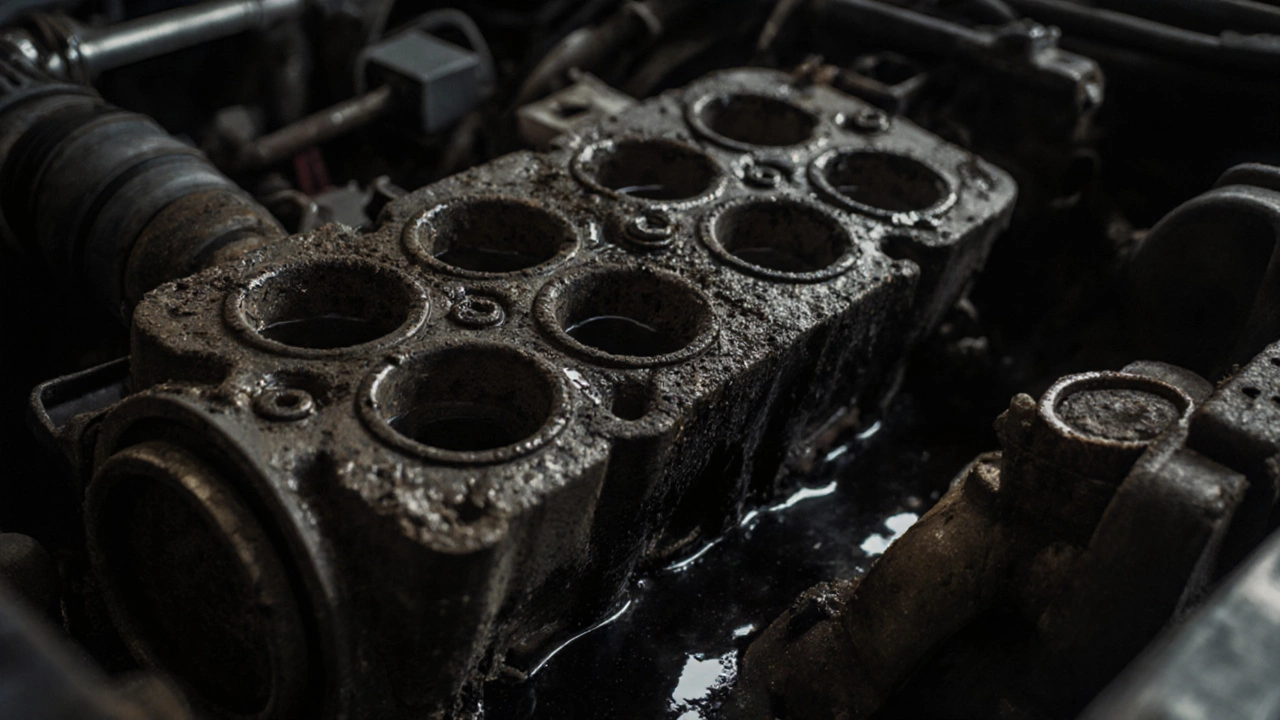
What Happens if You Go Over 5000 Miles Between Oil Changes?
Going over 5,000 miles between oil changes can cause sludge buildup, engine wear, and even total engine failure. Learn what really happens to your engine-and how to avoid costly repairs.
November 8 2025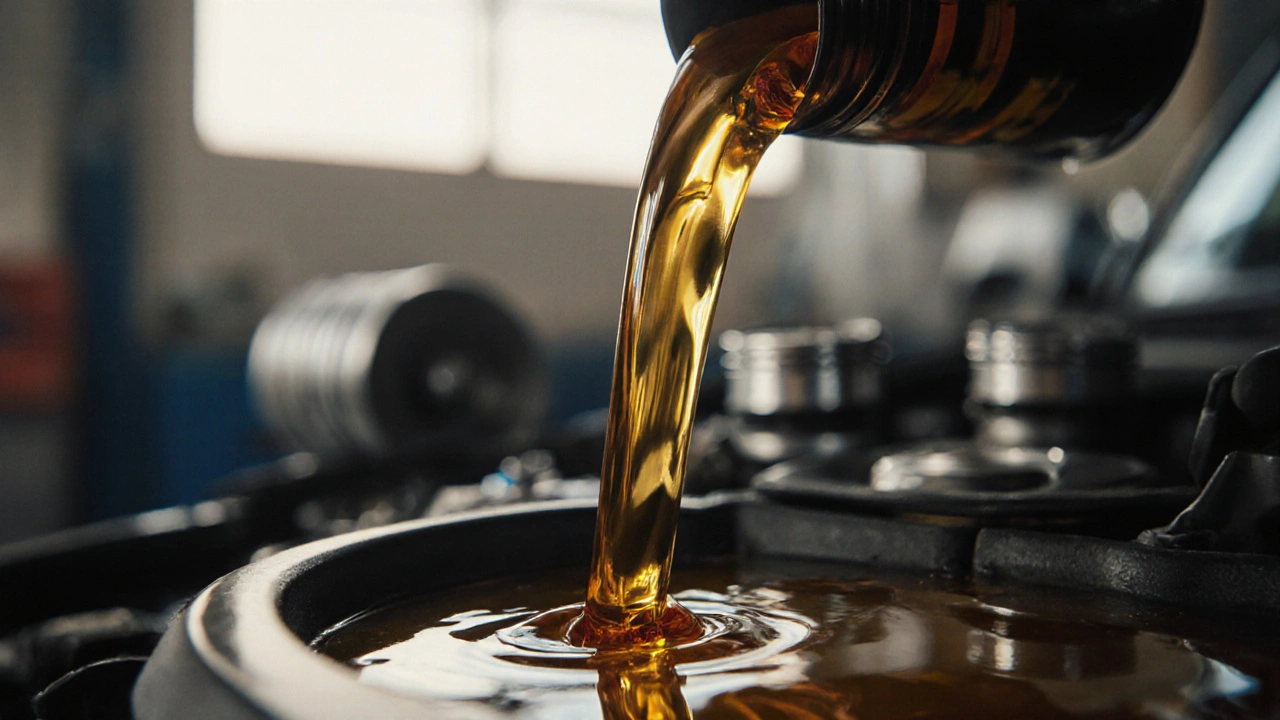
How Long Can Engine Oil Sit Before It Goes Bad? - Practical Guide & Timelines
Learn how long engine oil can sit idle before it degrades, the factors that affect its lifespan, and practical tips for safe storage and checking oil health.
October 16 2025