Exhaust Warranty Issues: What You Need to Know Before Claiming
When your exhaust system, the network of pipes and components that routes engine gases out of your car. Also known as exhaust manifold, catalytic converter, or muffler system, it plays a critical role in performance, noise control, and emissions compliance. fails, you expect the warranty to cover it—but too many drivers get stuck with a bill because they didn’t understand the fine print. Exhaust warranty issues aren’t rare. In fact, most people assume their muffler or catalytic converter is covered for years, only to find out their warranty expired after 3 years or was voided by a simple modification.
Catalytic converter, a key part of the exhaust system that reduces harmful emissions is often the most expensive component to replace, and many manufacturers only cover it for 8 years or 80,000 miles under federal emissions rules in the UK. But if you installed an aftermarket exhaust, used cheap fuel, or ignored engine misfires, your warranty could be denied—even if the part failed naturally. The same goes for exhaust manifold, the part that collects exhaust gases from the engine cylinders. Cracks here often come from thermal stress, which isn’t covered if your engine was running too hot due to poor maintenance.
Warranty claims for exhaust parts usually require proof of regular service. If you skipped oil changes, ignored check engine lights, or used non-recommended fuel, the dealer can legally deny your claim. Even something as simple as a broken hanger that caused the exhaust to drag on the road can be ruled as ‘damage from misuse.’ You don’t need a receipt for every oil change, but you do need to show you kept the car running properly. Many people lose their warranty because they didn’t know the system is tied to engine health—not just the exhaust itself.
What’s covered and what isn’t varies by brand. Some manufacturers include exhaust components in their bumper-to-bumper warranty, while others treat them like wear items—covered only for 12 months or 12,000 miles. Always check your warranty booklet. If it says ‘exhaust system’ without specifics, assume only the catalytic converter is covered under emissions law. Everything else? That’s up to the dealer’s discretion.
And here’s the kicker: aftermarket parts void warranties only if they directly cause the failure. But proving that? That’s on the dealer. Still, most won’t take the risk. If you’ve upgraded your exhaust for sound or performance, you’re playing with fire. Keep original parts in case you need to revert them for a warranty claim. Many UK drivers have had their claims approved after swapping back to factory parts—just long enough to get the repair done.
Exhaust warranty issues are avoidable if you know the rules. Keep your service records. Don’t ignore engine warning lights. Avoid cheap, unbranded exhaust kits. And if your exhaust is making strange noises or smells like rotten eggs, get it checked before the warranty runs out. The posts below show real cases—what worked, what didn’t, and how others saved hundreds by acting early.
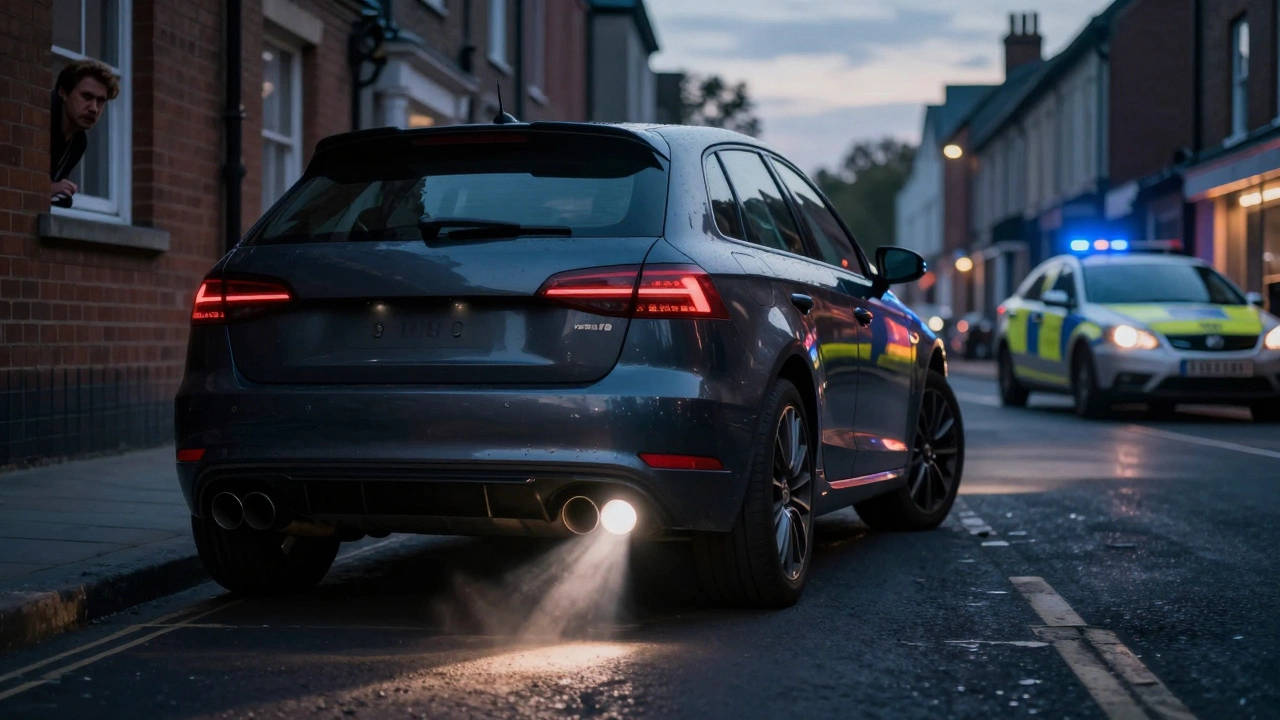
What Are the Disadvantages of Aftermarket Exhaust Systems?
Aftermarket exhausts sound great but come with real downsides: louder noise, warranty risks, worse fuel economy, legal issues, and lower resale value. Know the trade-offs before you upgrade.
December 1 2025