Exhaust System Downsides: What No One Tells You About Performance Exhausts
When you think about upgrading your exhaust system, a network of pipes and components that directs engine gases out of the vehicle. Also known as exhaust manifold and tailpipe assembly, it’s not just about sound or looks—it’s physics, law, and long-term reliability. Most people focus on the hype: more horsepower, deeper tone, better fuel economy. But what nobody tells you are the exhaust system downsides—the hidden trade-offs that can cost you money, comfort, or even your license.
One major downside is exhaust backpressure, the resistance engine gases face as they exit the system. While some backpressure helps low-end torque, removing too much—like with a straight-through muffler—can hurt throttle response at low RPMs. Your car might feel sluggish in town, even if it screams on the highway. Then there’s exhaust noise, the sound produced by escaping gases and muffler design. What sounds cool at 20 mph becomes a headache at 70 mph. Drivers report headaches, fatigue, and even complaints from neighbors after long trips. In the UK, noise limits are enforced, and modified exhausts can fail an MOT if they’re deemed too loud.
Another hidden problem? exhaust legality, whether your modified system meets government emissions and safety standards. Many aftermarket exhausts, especially cheap ones, remove or bypass catalytic converters. That might boost power, but it also spikes emissions. In the UK, this automatically fails an MOT, and you could face fines if caught driving a non-compliant vehicle. Even if you don’t get pulled over, you’ll struggle to sell the car later. Buyers check for legal mods—and they’ll walk away if your exhaust doesn’t pass inspection.
And let’s not forget durability. A flashy stainless steel exhaust might look great, but if it’s poorly welded or uses thin-gauge material, it’ll rust faster than your stock system. Rain, salt, and road debris eat through cheap exhausts in under two years. You might save £200 upfront, but end up spending £600 replacing it sooner than expected.
Some people think upgrading the exhaust fixes other issues—like poor fuel economy or rough idle. It won’t. If your engine is misfiring or the oxygen sensor is faulty, a new exhaust won’t fix it. In fact, it might make diagnostics harder. Mechanics need to rule out exhaust leaks or sensor interference before they can find the real problem.
So before you buy that loud, cheap exhaust kit, ask yourself: Are you trading comfort for attention? Are you risking your MOT? Are you paying more in the long run? The best exhaust isn’t the one that sounds the loudest—it’s the one that works with your car, your driving, and your budget. Below, you’ll find real-world tests, cost breakdowns, and honest reviews from UK drivers who’ve been there. No fluff. Just what happens after you click ‘buy’.
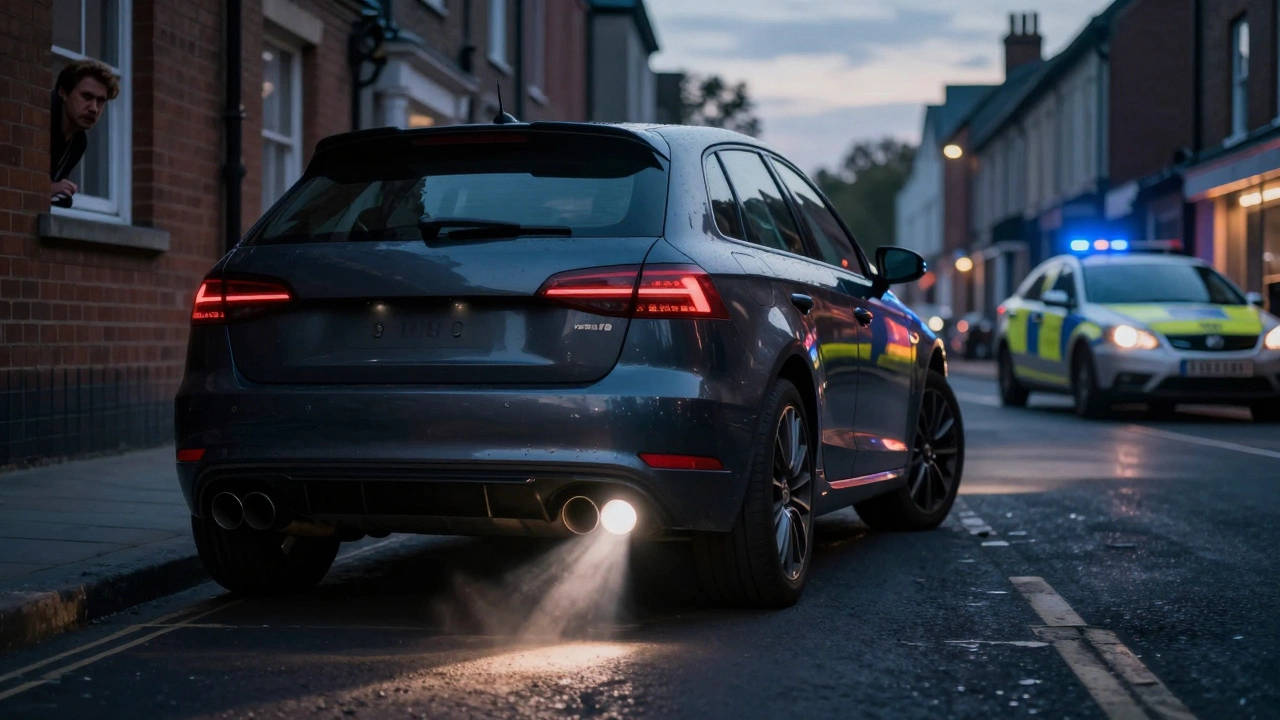
What Are the Disadvantages of Aftermarket Exhaust Systems?
Aftermarket exhausts sound great but come with real downsides: louder noise, warranty risks, worse fuel economy, legal issues, and lower resale value. Know the trade-offs before you upgrade.
December 1 2025