Engine Problems: Common Signs, Causes, and How to Fix Them
When your engine problems, issues that prevent your car’s engine from running smoothly or safely. Also known as engine failure symptoms, these are rarely sudden—they build up quietly until you’re stranded or facing a $2,000 repair. Most people ignore the early warnings because the car still "runs." But a rough idle, strange noises, or even a slight drop in fuel economy can mean your engine is slowly tearing itself apart.
One of the biggest hidden killers is engine oil, the lifeblood of your engine that lubricates, cools, and cleans internal parts. When oil gets old, dirty, or low, metal parts grind together. Going over 5,000 miles between changes doesn’t just mean dirty oil—it means sludge forming, bearings wearing out, and pistons overheating. And if you ever run out of oil? The engine can seize in under 30 seconds. Then there’s the radiator, the system that keeps your engine from overheating by circulating coolant. A cracked hose, a clogged core, or even a bad thermostat can turn a simple fix into a blown head gasket. You’ll see steam, smell sweet coolant, or get a warning light—but by then, it’s often too late.
Don’t forget the spark plugs, tiny components that ignite the fuel-air mix in your engine cylinders. Worn or fouled plugs don’t just make your car hesitate—they cause misfires that flood the catalytic converter, hurt fuel economy, and eventually damage the engine’s internals. Many drivers wait until the engine won’t start, but the real damage happens long before that. And if your suspension is failing, it’s not just a bumpy ride—it puts extra stress on engine mounts and even affects how the engine runs under load.
Engine problems aren’t mysterious. They follow patterns. A knocking sound? Could be low oil or worn bearings. Overheating? Check the radiator, water pump, or thermostat. Poor acceleration and high fuel use? Look at spark plugs, air filters, or oxygen sensors. The posts below give you real, no-fluff guides on exactly what to check, when to act, and what to replace before it costs you more. You won’t find guesswork here—just clear signs, proven fixes, and the truth about what really wears out your engine.
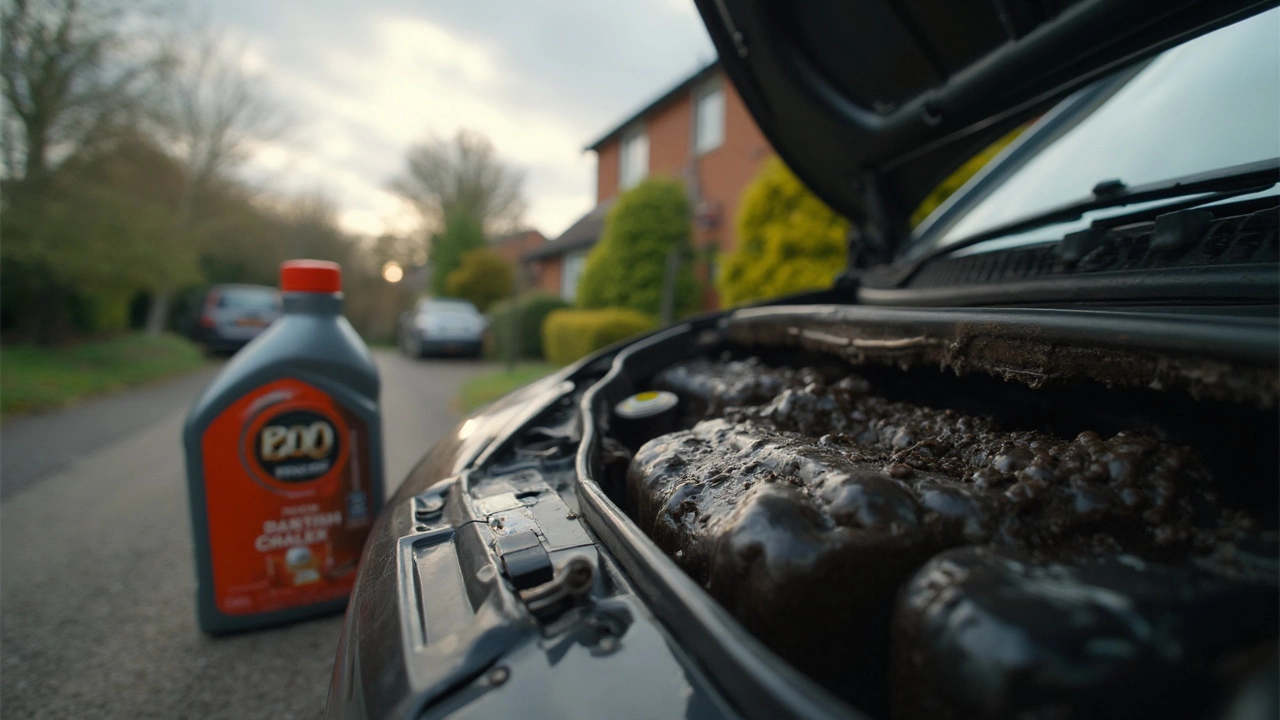
Engine Oil: What Happens If You Don't Change It?
Skipping oil changes may sound harmless, but it can wreck your engine faster than you think. This article dives into the real consequences of ignoring oil changes, like engine wear, sludge buildup, and surprise repair bills. You'll learn why oil matters, how the damage shows up, and what warning signs to spot. Simple tips show you when and how to keep your oil fresh, helping you save money and avoid a blown engine. It's a practical guide for anyone who cares about their car's health and their wallet.
April 26 2025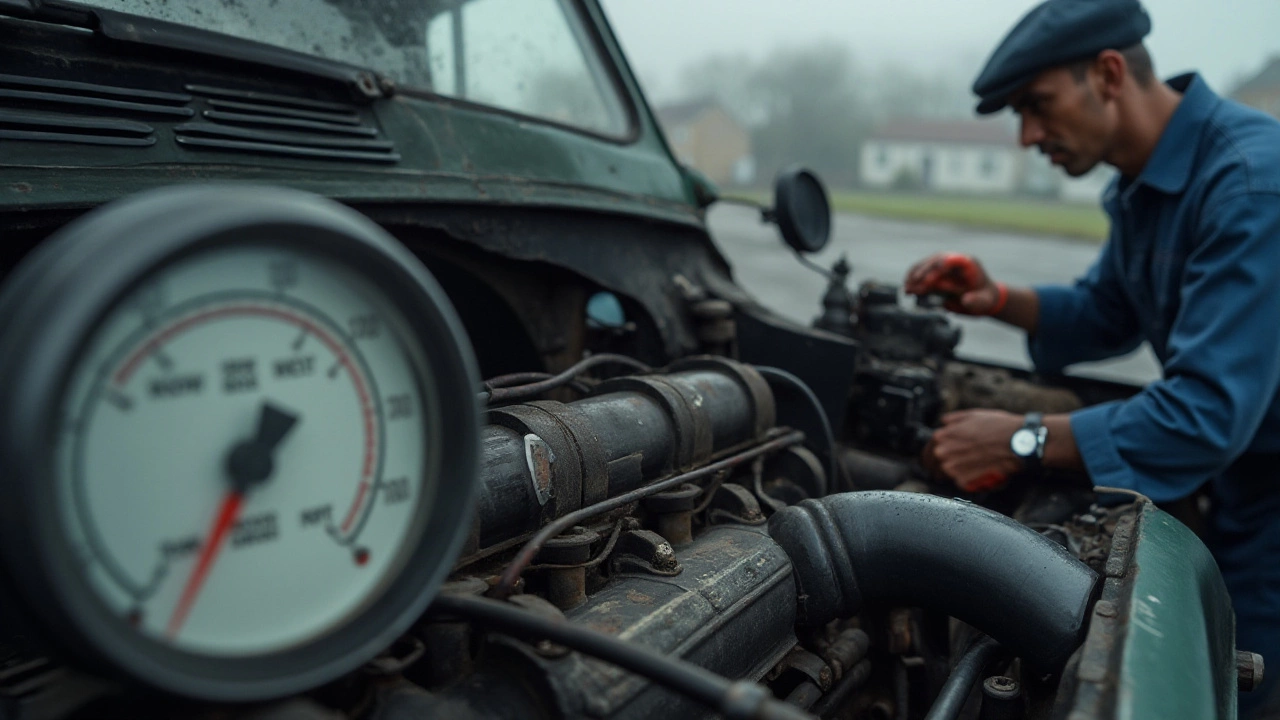
Early Signs of a Blown Head Gasket: What Car Owners Need to Know
A blown head gasket can lead to substantial engine troubles. Recognizing the early signs can save you from costly repairs. Look for unusual engine temperatures, white smoke, and coolant leaks. Understanding these signs helps in timely diagnosis and repair, ensuring your vehicle runs smoothly.
January 16 2025