AC Risk & Cost Calculator
Estimated Impact Analysis
Potential Repair Risks
Health & Efficiency
- Air Quality: Good
- Cooling Efficiency: Normal
- Warranty Status: Valid
Recommendation: A standard pleated filter costs approximately £10–£20. Replacing it now prevents the estimated losses above.
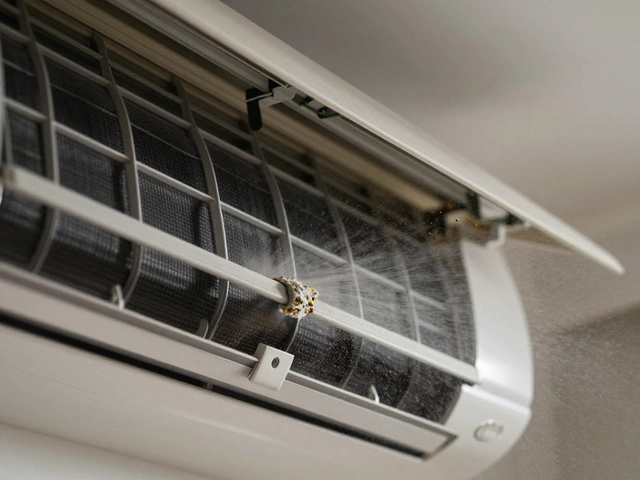
It’s 2026, the summer heat is hitting hard across Manchester, and you just realized your air conditioner is running with no filter in place. Maybe it fell out during a cleaning session, or perhaps you’re waiting for a replacement part that hasn’t arrived yet. You turn the system on anyway, hoping it’ll hold up for a few days. But here is the uncomfortable truth: running an AC unit without a filter is like driving a car with the oil cap off. It might move forward for a bit, but you are actively inviting disaster.
Most people think the filter is just there to keep dust off their carpets. That is only half the story. The filter is the first line of defense for your entire HVAC system. When you remove it, you aren’t just letting dirt into your living room; you are feeding grit directly into the mechanical heart of your machine. Let’s look at exactly what happens inside those walls when that barrier disappears.
The Short-Term Illusion vs. Long-Term Damage
In the immediate sense, your AC will actually blow colder air initially. Without the resistance of a clogged or even a clean filter, airflow increases slightly. Your thermostat might reach the desired temperature faster, giving you a false sense of security. This is the trap. That extra airflow isn’t free. It comes at the cost of exposing critical components to unfiltered debris.
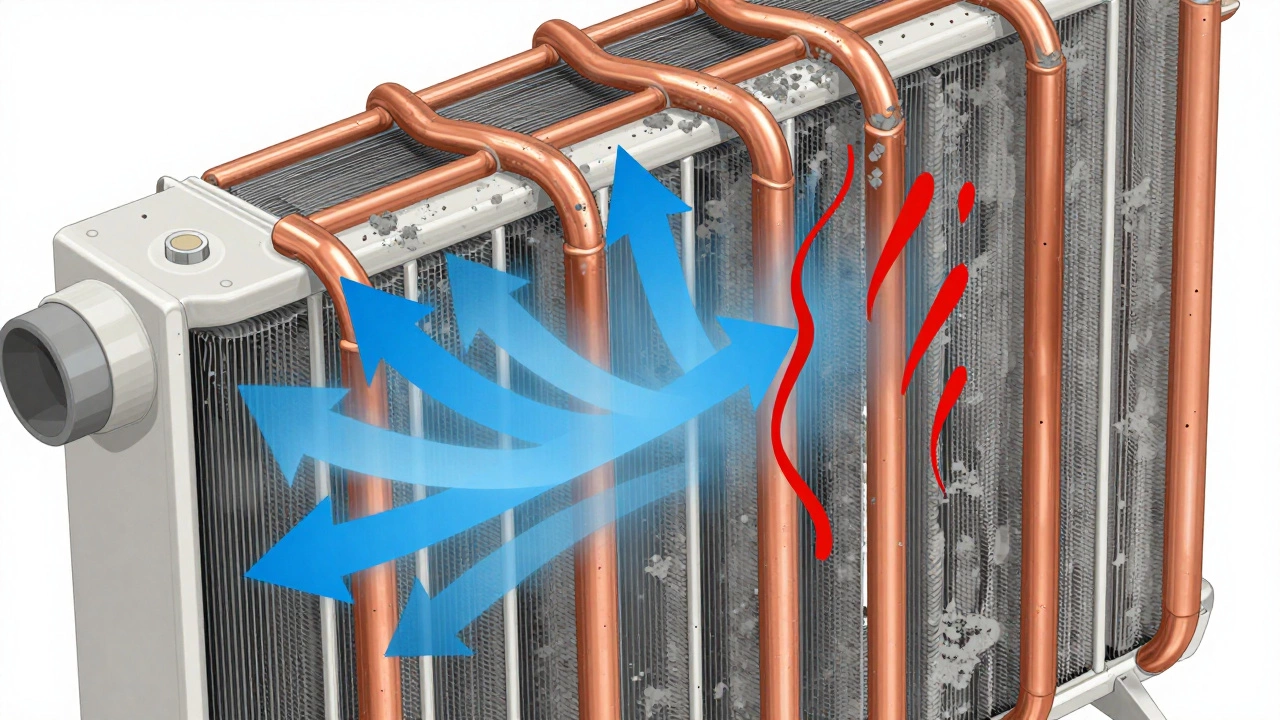
Within 48 hours, the evaporator coil begins to accumulate a layer of fine dust and lint. These coils are designed to be incredibly thin and efficient at absorbing heat from your indoor air. When they get coated in grime, they act like an insulator rather than a conductor. Imagine trying to cool down a hot cup of coffee by blowing on it through a thick wool sock. That is essentially what a dirty coil does. The system has to work harder to pull heat away, which leads to higher electricity bills and increased wear on the compressor.
Why Airflow Matters More Than You Think
Air conditioners rely on a delicate balance of pressure and volume. The blower fan pushes air over the cold evaporator coil, and then sends it back into your home. If the filter is missing, large particles-pet hair, pollen, construction dust-get sucked into the ductwork and settle on the fan blades. Over time, this buildup becomes unbalanced. An unbalanced fan vibrates excessively, causing noise and potentially damaging the motor bearings.
More critically, restricted airflow due to dirty internal components can cause the evaporator coil to freeze up. Yes, you read that right. Your AC can freeze because it’s too dirty. When the coil can’t absorb heat efficiently, the temperature drops below freezing, turning moisture into ice. This ice blocks airflow completely, forcing the system to shut down or run continuously without cooling. Repairing a frozen coil often requires professional thawing and cleaning, costing anywhere from £150 to £300 depending on the severity.
| Component | Immediate Effect (1-3 Days) | Long-Term Consequence (Weeks/Months) |
|---|---|---|
| Evaporator Coil | Dust accumulation begins | Reduced heat exchange, potential freezing |
| Blower Fan | Increased initial airflow | Vibration, motor strain, bearing failure |
| Compressor | Normal operation | Overheating, shortened lifespan, costly replacement |
| Air Quality | No noticeable change | Allergens circulate, respiratory irritation |
| Energy Bill | Slight decrease possible | Significant increase due to inefficiency |
The Hidden Cost: Compressor Failure
The compressor is the most expensive part of your AC system. It’s the pump that circulates refrigerant. When airflow is compromised by dirty coils, the compressor has to run longer cycles to achieve the set temperature. This constant stress raises the operating temperature of the compressor. In extreme cases, the lack of cooling from the evaporator coil causes high-pressure refrigerant to build up, triggering safety switches or leading to catastrophic mechanical failure.
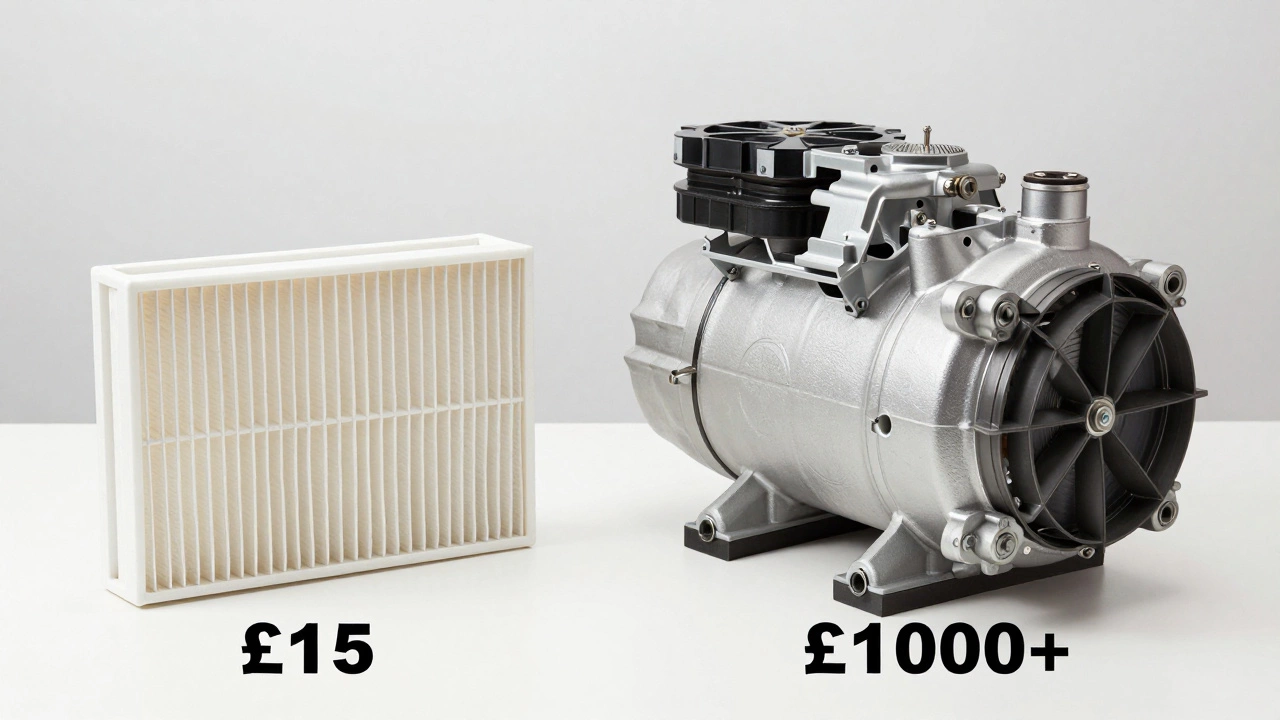
Replacing a compressor isn’t a DIY job. It involves recovering refrigerant, welding new lines, and vacuum-testing the system. In the UK market, this service typically runs between £800 and £1,500. Compare that to the £10-£20 cost of a standard pleated filter. The math doesn’t lie. Skipping a filter is one of the most expensive habits a homeowner can develop.
Indoor Air Quality: It’s Not Just About the Machine
We tend to focus on the hardware, but your health matters too. A HEPA-grade filter captures microscopic particles including mold spores, bacteria, and fine dust. Without it, these allergens recirculate endlessly. For households with asthma sufferers, pets, or young children, this creates a significant health risk. You might notice more sneezing, dry eyes, or congestion after spending time in the cooled rooms. It’s easy to blame the weather, but the culprit is likely your unfiltered AC system pumping pollutants straight into your lungs.
What To Do If You’re Out of Filters Right Now
If you are currently in a bind and cannot buy a filter today, here is how to minimize damage until you can:
- Limit Runtime: Only use the AC when absolutely necessary. Avoid running it 24/7.
- Use Ceiling Fans: Circulate air with fans so you can set the thermostat higher, reducing the load on the AC.
- Close Vents: Reduce the number of open vents in unused rooms to lower the total volume of air being pulled through the unit.
- Check for Temporary Solutions: Some HVAC technicians recommend using a temporary mesh screen if available, though this is not a substitute for a proper filter.
Do not try to make your own filter out of towels or t-shirts. These materials restrict airflow unevenly and can shed fibers into the system, making the problem worse. Stick to purchasing a correct-sized filter as soon as possible.
Choosing the Right Filter for Your System
Not all filters are created equal. In 2026, you have several options beyond the basic fiberglass ones. Here is a quick guide to help you pick the right one based on your needs:
- Fiberglass Filters: Cheap and disposable. They catch large debris but offer little protection against fine dust. Best for short-term use or low-allergy environments.
- Pleated Synthetic Filters: The gold standard for most homes. They provide better airflow while trapping smaller particles. Look for a MERV rating between 8 and 11.
- Electrostatic Washable Filters: Reusable and eco-friendly. They use static charge to attract dust. However, they require monthly washing and can restrict airflow if not maintained properly.
- High-MERV Filters (MERV 13+): Excellent for allergy sufferers. Note that some older AC units may struggle with the reduced airflow from high-efficiency filters. Check your manufacturer’s guidelines before upgrading.
The MERV rating indicates filtration efficiency. Higher numbers mean better filtration but also more resistance. For most residential systems in the UK, a MERV 8-11 balance is ideal. It protects your equipment without choking the airflow.
Maintenance Schedule: Don’t Wait Until It Breaks
To avoid finding yourself in this situation again, establish a routine. Change your filter every 1 to 3 months, depending on usage and household factors. Homes with pets should check monthly. During peak summer months in Manchester, when the AC runs constantly, aim for a monthly swap. Mark your calendar or set a phone reminder. It takes five minutes and saves hundreds of pounds in repairs.
Also, schedule an annual professional inspection. A technician can clean the coils, check refrigerant levels, and inspect electrical connections. This proactive approach extends the life of your system and ensures it runs efficiently year after year.
How long can I run my AC without a filter?
Ideally, never. However, if you must, limit usage to less than 24 hours. After that, dust accumulation on the evaporator coil begins to significantly reduce efficiency and increase the risk of freezing. The longer you wait, the higher the chance of costly component damage.
Can I use a towel as a temporary AC filter?
No. Towels restrict airflow unpredictably and can shed fibers into the ductwork. This creates a mess inside your system and puts unnecessary strain on the blower motor. It is safer to leave the slot empty for a very short period than to insert an improper material.
Does running without a filter void my warranty?
Many manufacturers require regular filter maintenance as part of the warranty terms. If your compressor fails due to neglect (such as running without a filter), the warranty claim may be denied. Always check your specific policy documentation.
How do I know if my AC coils are dirty?
Signs include reduced airflow from vents, ice forming on the copper pipes, higher energy bills, and the system running constantly without reaching the set temperature. A visual inspection by a technician is the best way to confirm coil cleanliness.
What is the best MERV rating for a home AC system?
For most residential systems, a MERV rating of 8 to 11 is optimal. It balances filtration efficiency with airflow. Higher ratings like MERV 13+ are great for allergies but may require a more powerful blower fan to prevent strain on the system.