Brake Pad Thickness: How Much Is Safe and When to Replace Them
When it comes to your car’s safety, brake pad thickness, the measurable amount of friction material left on a brake pad. Also known as brake lining depth, it’s one of the few things you can check yourself without tools—yet most drivers ignore it until they hear a screech. If your brake pads are thinner than 3mm, you’re driving on borrowed time. Most manufacturers recommend replacing them before they hit 2mm, but waiting that long risks damaging the brake discs, the metal rotors that the pads clamp against to stop the car. A worn pad grinding against a rotor doesn’t just make noise—it costs you hundreds in repairs you could’ve avoided.
Brake pad thickness isn’t just about wear—it’s about performance. Thinner pads mean longer stopping distances, especially in wet weather. A study by the UK’s Vehicle Certification Agency found that pads below 3mm increased stopping distance by up to 25% compared to new ones. And it’s not just about safety: driving with thin pads can warp your rotors, which then need replacing too. That’s a $400+ job instead of a $100 pad swap. You don’t need a garage to check it. Pop off a wheel, shine a flashlight, and look at the pad. If the metal backing plate is showing through the friction material, it’s already too late.
Some drivers think they can wait until the warning squeal kicks in. But that squeal? It’s the metal wear indicator scraping the rotor—not a gentle reminder, it’s a final cry for help. Others believe thicker pads last longer, but that’s a myth. Modern pads are engineered for optimal heat and friction, not bulk. What matters is the remaining material, not the brand or price tag. And if you’re replacing pads, always check the brake system safety, the overall condition of brake lines, calipers, and fluid. A worn pad is often just the symptom. The real problem could be a sticking caliper or leaking fluid, which will ruin new pads in weeks.
There’s no magic number that fits every car, but 3mm is the universal red line. If you drive mostly in the city, check every 10,000 miles. Highway drivers can stretch to 15,000. But if you haul heavy loads, tow trailers, or drive in hilly areas, check every 5,000. Your driving habits matter more than the odometer. And if you’ve ever felt the pedal sink or heard a grinding sound when braking, don’t wait for the next service—get it checked now.
What you’ll find below isn’t just theory. It’s real advice from UK drivers and mechanics who’ve seen what happens when brake pad thickness is ignored. You’ll learn how to tell if you need new rotors, why some shops push unnecessary replacements, and how to avoid being overcharged. No fluff. No jargon. Just what you need to know to keep your stops sharp and your wallet safe.

How to Tell if Brake Pads Are Bad: 7 Clear Signs You Need New Pads
Learn the 7 clear signs your brake pads are worn out, from squealing noises to longer stopping distances. Know when to replace them before it becomes dangerous or expensive.
December 18 2025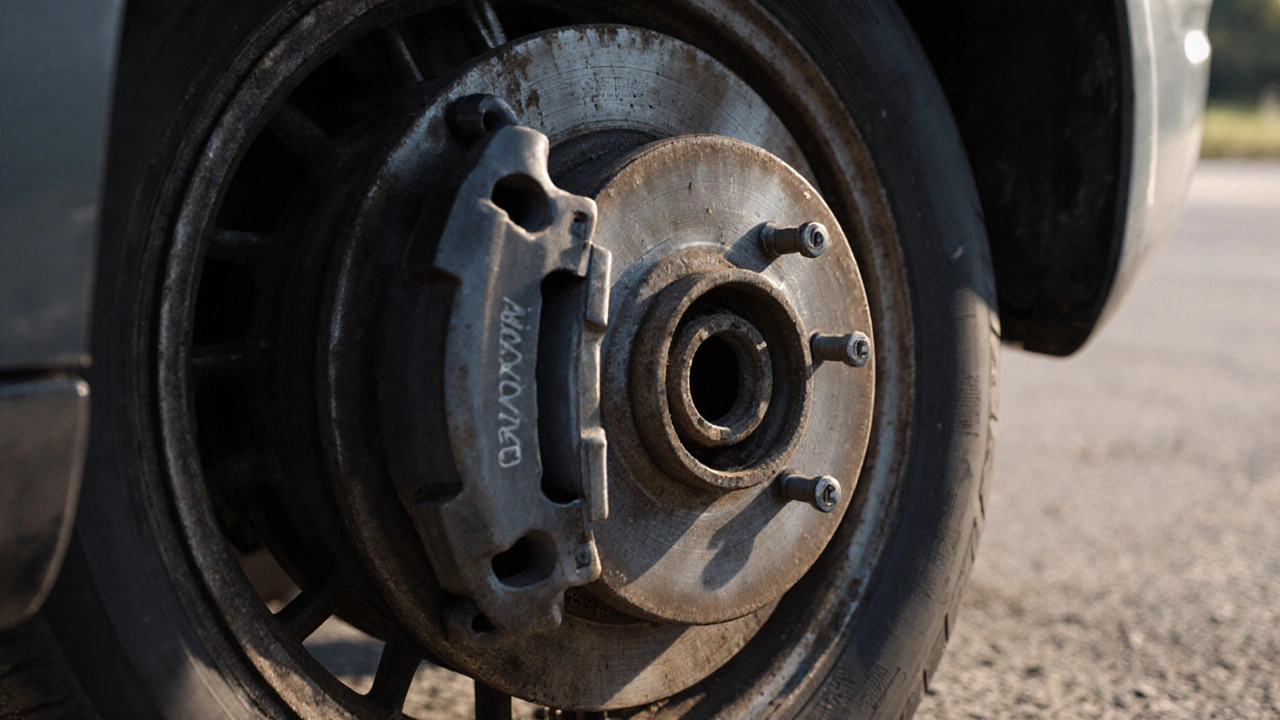
How to Know When Brake Pads Need Replacing: Signs You Can't Ignore
Learn the real signs your brake pads need replacing - from squealing noises to longer stopping distances. Don't wait until it's too late. Get safe, affordable brake checks before damage costs more.
November 23 2025