Car Tuning Cost Calculator
Tuning Cost Calculator
Estimated Cost Range
Why this cost?
Important Warning
Getting your car tuned isn’t just about making it louder or adding a flashy exhaust. It’s about unlocking real power, improving throttle response, and making sure your engine runs cleanly and efficiently. But how much does it actually cost? And why does one shop charge £300 while another wants £800? The answer depends on what kind of tuning you need, what parts you’re changing, and whether your car even supports it.
What Exactly Is a Car Tune?
A tune isn’t a quick plug-in-and-go fix. It’s a process where a technician adjusts your car’s engine management system-usually through its ECU (Engine Control Unit)-to match any hardware changes you’ve made. If you’ve swapped out the stock exhaust for a performance system, upgraded the air intake, or added a turbocharger, the factory settings won’t cut it anymore. The ECU needs to know how much air is flowing in, how much fuel to inject, and when to ignite the spark. Get this wrong, and you risk engine damage, poor fuel economy, or even a failed MOT.
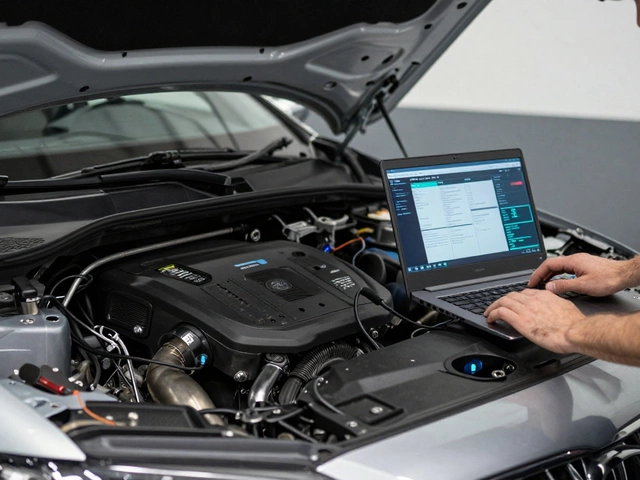
Most modern cars (post-2000) use OBD2 ports for tuning. That means a technician connects a laptop or handheld device to your car’s diagnostic port and rewrites the software map. No physical changes to the ECU are needed. This is called a flash tune. It’s clean, reversible, and the standard for most performance upgrades today.
Cost Breakdown: What You’re Really Paying For
There’s no single price for a car tune. The cost splits into three main parts: the tune itself, the hardware you’re tuning for, and whether you’re doing it on a dyno.
- Basic ECU Flash Tune (no hardware changes): £150-£250. This is for mild upgrades like a panel air filter or a cat-back exhaust. The tuner just tweaks fuel and ignition timing to match the improved airflow. It’s the cheapest option, and it’s often included free if you buy exhaust parts from a performance shop.
- Full Performance Tune with Exhaust and Intake: £350-£600. This is what most people mean when they say “tune.” You’ve installed a full turbo-back exhaust, a high-flow air intake, and maybe a larger intercooler. The tuner needs to recalibrate everything-boost pressure, fuel delivery, timing, and even transmission shift points. This is where you start seeing real power gains, often 15-25% more horsepower.
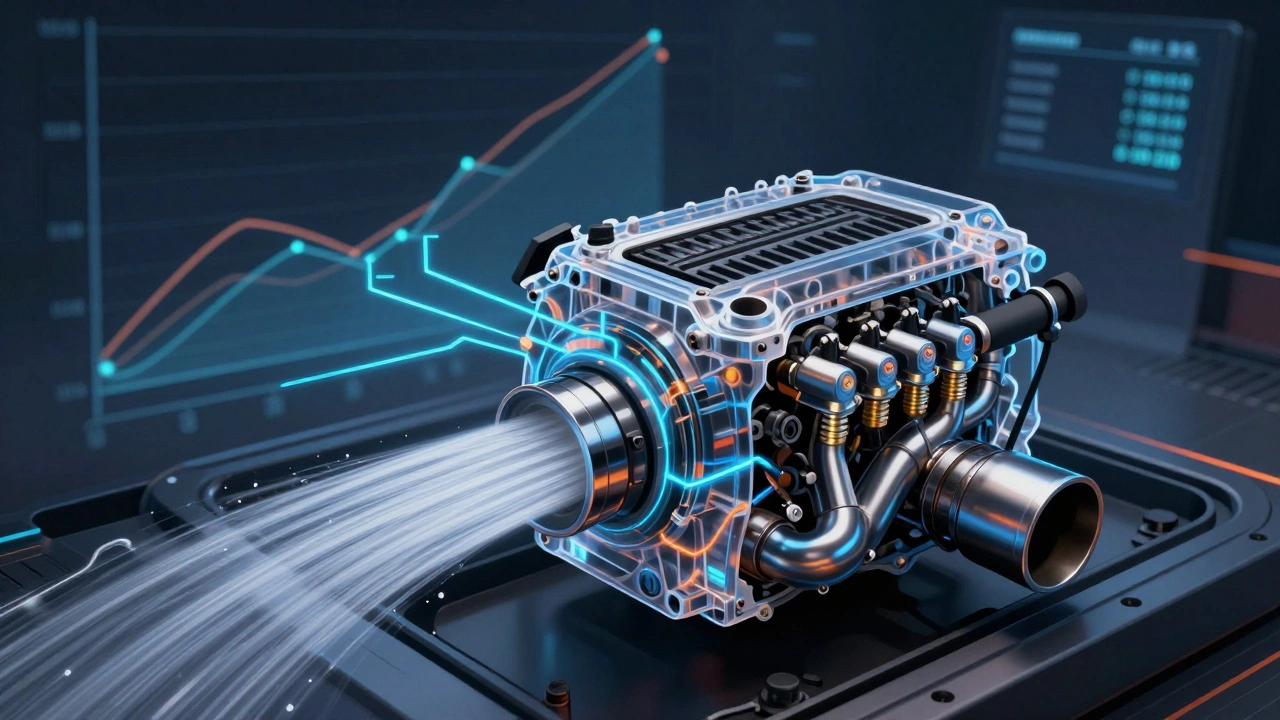
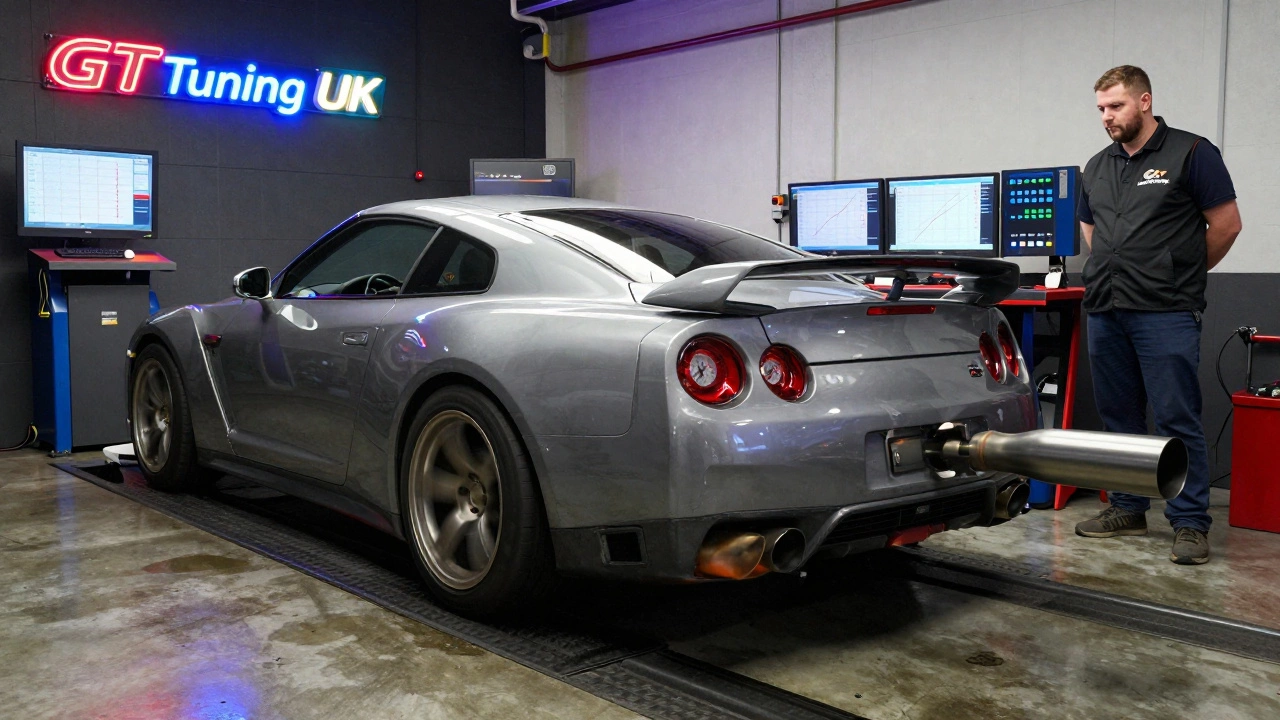
- Dyno Tuning (recommended): £400-£800. A dyno (dynamometer) measures your car’s actual wheel horsepower and torque while the tuner makes live adjustments. Instead of guessing, they see exactly how your car responds to each change. This is the gold standard. Shops in Manchester like SpeedTech Performance or GT Tuning UK charge more because they’re using real data, not just pre-loaded maps.
Don’t fall for the £99 tune specials. Those are usually generic maps pulled from the internet. They might work on a similar car, but every engine has small differences. Your car’s age, mileage, fuel quality, and even the weather affect how it runs. A good tuner will ask you questions before they start.
Exhaust Systems and Tuning: Why They Go Together
Replacing your exhaust isn’t just for sound. A restrictive factory exhaust creates backpressure, which forces the engine to work harder. A free-flowing performance exhaust reduces that resistance, letting exhaust gases escape faster. But here’s the catch: more airflow means more oxygen in the combustion chamber. If the ECU doesn’t adjust fuel delivery, you’ll run lean-too much air, not enough fuel. That’s bad. Lean conditions can melt pistons or blow head gaskets.
That’s why tuning is non-negotiable after installing a cat-back, downpipe, or full turbo-back exhaust. Even a simple cat-back system can change airflow enough to throw off the air-fuel ratio. In the UK, MOT testers are trained to check for emissions compliance. A poorly tuned car with a modified exhaust will fail. A properly tuned one? It’ll pass with flying colours.
Many people skip the tune because they think, “It’s just an exhaust.” But that’s like putting bigger tyres on your bike and not adjusting the gears. You’ll still move, but you’ll be inefficient-and possibly damaging something.
What Happens If You Don’t Tune After an Exhaust Upgrade?
You might not notice anything right away. Maybe your car runs fine for a few weeks. But here’s what quietly starts happening:
- Check Engine Light comes on (P0171 or P0174 = lean condition)
- Fuel economy drops by 10-15%
- Throttle feels sluggish or jerky at low RPM
- Engine runs hotter than normal
- Eventually, you get a misfire or a failed MOT
One customer in Salford installed a £600 stainless steel exhaust and skipped the tune. Two months later, his engine started misfiring. He thought it was a spark plug issue. Turned out, the lean mixture had damaged the valves. Repair cost: £1,800. The tune would’ve been £450.
Who Should Tune Your Car?
Not every garage can do this. You need someone with:
- A proper tuning laptop (like AEM, HP Tuners, or Ecutek)
- Access to your car’s specific ECU map
- A dyno (for best results)
- Experience with your exact make and model
Big chain garages like Kwik Fit or Halfords won’t do this. They don’t have the tools or the expertise. Look for specialist performance shops. In Manchester, you’ll find a few solid options with real track experience. Ask if they’ve tuned a similar car before. Ask to see before-and-after dyno graphs. A good tuner will show you exactly how much power you gained.
Some tuners offer “mail-in” services where you send your ECU to them. That’s fine for experienced users, but if you’re new to tuning, local support matters. You might need adjustments later-like if you switch fuel types or add a new part.
Can You Tune It Yourself?
Technically, yes. You can buy a tuning device like the Cobb AccessPORT (£500-£700) and download a map from a forum. But here’s the problem: those maps aren’t made for your car. They’re made for a car that looked like yours on paper. Your engine might have 120,000 miles on it. Your fuel might be different. Your exhaust might have a slightly different diameter.
DIY tuning is risky. One wrong setting and you can fry your engine. Even experienced mechanics avoid it unless they have a dyno and years of data to back them up. Save the DIY for changing your oil. Leave tuning to the pros.
What About ECU Remapping vs. Piggyback Tuners?
There are two main ways to tune:
- ECU Remapping (Flash Tune): The original software is overwritten. This is the most precise and widely used method. It’s clean, reversible, and works with modern cars.
- Piggyback Tuners: These are external boxes that sit between the ECU and sensors, tricking the system into thinking things are different. They’re cheaper (£200-£400) but less accurate. They can cause odd behaviour, like erratic idle or check engine lights. Most tuners avoid them now.
Stick with ECU remapping. It’s the only method that gives you full control and reliability.
Is Tuning Worth It?
If you’ve spent money on a performance exhaust, then yes. A good tune will give you:
- 15-25% more horsepower and torque
- Smother throttle response, especially at low RPM
- Better fuel economy if you drive calmly (yes, really)
- Improved reliability because the engine runs in its ideal range
- Passing MOT without issues
Think of it this way: buying a performance exhaust without a tune is like buying new running shoes and then walking in them with heavy boots on. You paid for speed-you just haven’t unlocked it yet.
How Long Does a Tune Take?
On a dyno? About 3-4 hours. Off the dyno? 1-2 hours. Most shops will give you your car back the same day. Some even offer a 24-hour re-tune if you notice something off after driving it.
Don’t rush it. A good tune isn’t done in 30 minutes. It’s a process of testing, adjusting, testing again. Patience pays off.
Final Tip: Keep a Record
After your tune, ask for a copy of the new ECU map and the dyno results. Store them digitally. If you ever sell the car, you can prove the tune was done properly. If you need to reflash the ECU later (after a software update or battery replacement), you’ll have the exact settings.
Is it legal to tune a car in the UK?
Yes, as long as the car still meets emissions standards and passes the MOT. A properly tuned car with a catalytic converter and no excessive noise is perfectly legal. Many performance shops in the UK tune cars specifically to pass MOT. Avoid removing the catalytic converter unless it’s a track-only vehicle.
Does tuning void my car’s warranty?
Yes, if your car is still under manufacturer warranty. Most manufacturers can detect a tune through diagnostic logs. If you’re still under warranty, wait until it expires before tuning. Some tuners offer “warranty-safe” maps that stay under factory limits-ask about them.
Can I tune a diesel car the same way?
Yes, and diesel tuning is very common. Diesel engines respond well to tuning, often gaining 20-30% more power. But diesel tuning requires extra care with injector timing and EGR systems. Make sure your tuner has diesel experience.
How often should I get my car retuned?
You don’t need to retune regularly unless you add new parts. If you change the exhaust, intake, or turbo, then yes. Otherwise, a good tune lasts the life of the car. Some drivers get a tune-up every 2-3 years just to refresh the map, but it’s not necessary.
What’s the difference between a tune and a remap?
There’s no real difference. “Remap” is just another word for ECU tuning. Some shops use “remap” to sound more technical, but they mean the same thing: rewriting the engine’s software to improve performance.