Brake Pad Replacement: Signs, Costs, and When to Replace Rotors Too
When your brake pad replacement, the process of swapping worn friction material on your car’s braking system to restore stopping power. Also known as brake lining replacement, it’s one of the most common but critical maintenance tasks for any vehicle. Ignoring worn brake pads doesn’t just mean longer stops—it can destroy your rotors, warp your wheels, and turn a £50 job into a £500 repair. Most UK drivers wait too long because they don’t know the real signs. It’s not just the squeal. It’s the vibration when you brake. It’s the warning light that flickers on and off. It’s the feeling that your car takes a breath before stopping.
Brake pads don’t wear out the same way for everyone. If you drive mostly in city traffic, your pads might need replacing at 25,000 miles. If you cruise on motorways, they could last 60,000. But here’s the catch: your brake rotors, the metal discs that the pads clamp down on to slow the car. Also known as brake discs, they are essential for safe braking and must be inspected every time you replace pads. Many mechanics push rotor replacement because it’s more profitable. But you don’t always need them. If your rotors are smooth, not grooved or warped, and over 2mm thick, you can save money. How do you check? Look for shiny spots, blue discoloration, or deep grooves. If you can feel ridges with your finger, it’s time.
And don’t confuse brake pad wear with other noises. A grinding sound isn’t just worn pads—it’s metal on metal. That’s already damage. A soft pedal? That’s air in the brake lines or fluid leakage. A pulling sensation? Could be a stuck caliper. These aren’t the same as simple pad wear, but they often get lumped together. That’s why knowing the difference matters. You need to understand what’s actually failing before you hand over your wallet.
Brake systems are simple, but they’re also unforgiving. A single failed pad can throw off your entire braking balance. That’s why professional testing centres like Giles Gate don’t just replace parts—they inspect the whole system. They check caliper movement, fluid condition, rotor runout, and even the condition of your brake hoses. Most drivers never think about hoses until they burst. But old, cracked hoses can cause sudden brake failure, even with new pads.
There’s no magic number for when to replace brake pads. It’s not 30,000 miles. It’s not 5 years. It’s when the friction material drops below 3mm. Most cars have wear indicators built in, but they’re not always reliable. The best way? Get your brakes checked every 10,000 miles—or every time you get your tyres rotated. That’s not upselling. That’s common sense. And if you’re doing it yourself, don’t just eyeball it. Use a ruler. Or better yet, a caliper. You’d be surprised how many people replace pads that still have 70% life left.
What you’ll find below isn’t just a list of articles. It’s a practical toolkit. You’ll see real examples of what worn brake pads look like, how to test your rotors without lifting the car, why some UK drivers replace pads and rotors together even when they don’t have to, and how to avoid being overcharged at garages. You’ll also learn why some brake noises are normal and others are a red flag. This isn’t theory. It’s what mechanics see every day—and what you need to know to stay safe and save money.
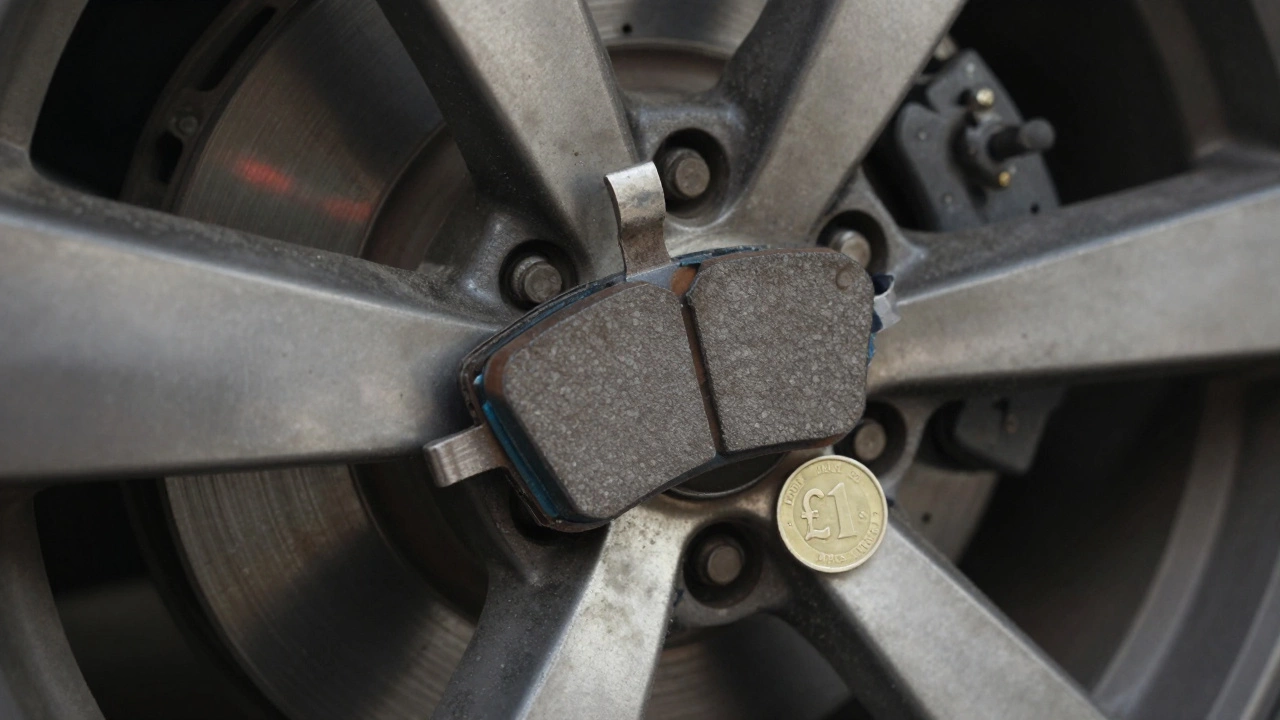
How Do You Know Your Brake Pads Are Bad? 7 Clear Signs You Need New Brake Pads
Learn the 7 clear signs your brake pads are worn out - from squealing noises to longer stopping distances. Don't wait until it's too late to replace them.
December 1 2025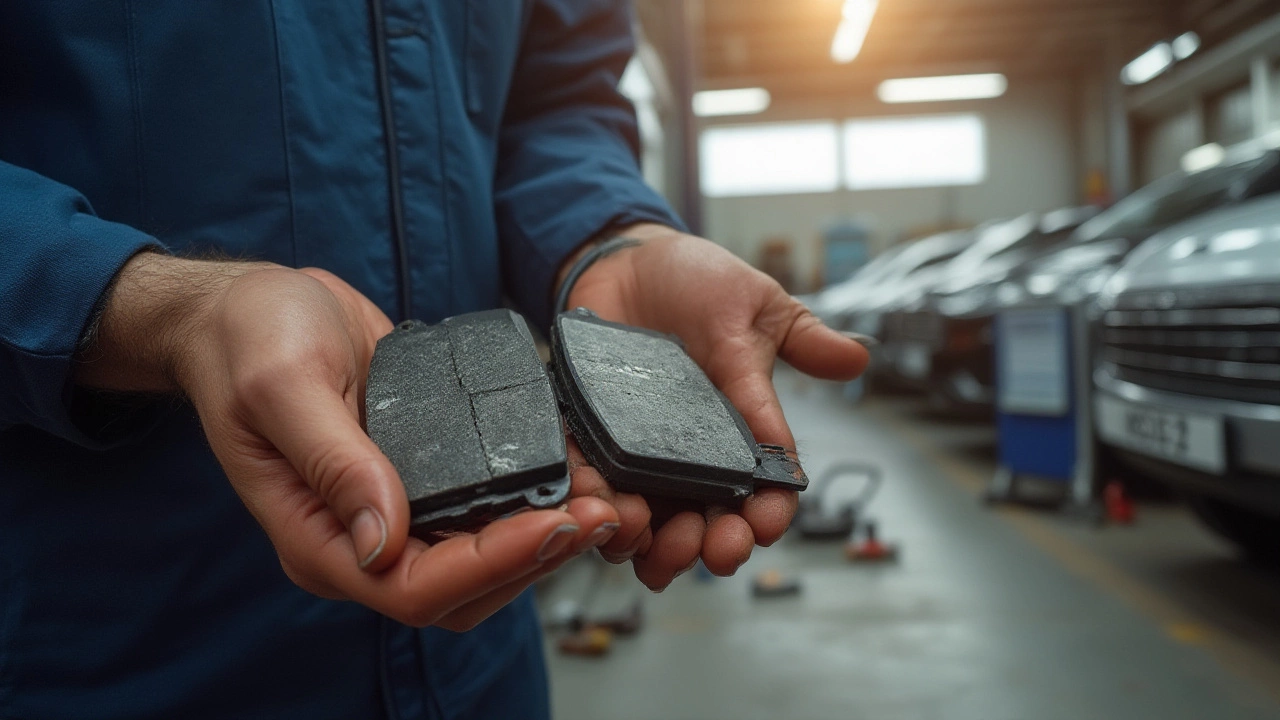
Brake Pad Replacement Costs: How Much to Replace Brake Pads in 2025?
Brake pad replacement costs vary in 2025, depending on car type, pad quality, and labor rates. Learn what affects the price and how to save money when replacing brake pads.
July 25 2025