Bad Brake Pads: Signs, Risks, and What to Do Next
When your bad brake pads, worn friction material that slows your car by pressing against the rotors. Also known as brake linings, they’re one of the most critical safety components in your vehicle. If they’re worn down, your car won’t stop when you need it to. You might hear a high-pitched squeal, feel vibration in the pedal, or notice your stopping distance getting longer. These aren’t just annoyances—they’re warning signs your brakes are failing.
Bad brake pads don’t just hurt your stopping power—they can wreck your brake rotors, the metal discs the pads clamp onto. Once the metal backing of the pad grinds against the rotor, you’re looking at hundreds of pounds in extra repairs. And if you delay too long, you could damage the brake calipers, the hydraulic components that squeeze the pads onto the rotors. That’s not a cheap fix. Most drivers wait until the noise is unbearable, but by then, it’s already too late. The best time to replace brake pads is before you hear anything at all.
How do you know if yours are bad? Look for more than just noise. If your car pulls to one side when braking, that’s uneven wear. If the brake pedal feels spongy or goes closer to the floor, the pads are thin. Check the thickness—any less than 3mm and you’re in danger zone. And don’t trust mileage alone. A driver who rides the brake in city traffic might need new pads at 20,000 miles. Someone who mostly drives highways might get 60,000. It’s not about how far you’ve driven—it’s about how you drove.
Some people ask if they can skip replacing the rotors when changing pads. Sometimes yes, sometimes no. If the rotors are smooth and thicker than 2mm, you might be fine. But if they’re grooved, warped, or discolored from heat, they need replacing too. Replacing just the pads on bad rotors is like putting new tires on bent rims—it won’t work right and won’t last.
And here’s the thing: brake pads aren’t something you can ignore. Unlike a noisy wiper or a rattling exhaust, bad brakes don’t just make your ride uncomfortable—they make your car unsafe. Every year, thousands of accidents happen because drivers waited too long. You don’t need to be a mechanic to check them. Most garages will inspect them for free when you get an oil change. Don’t wait for the screech. Don’t wait for the warning light. If you’ve driven more than 20,000 miles since your last brake job, it’s time to ask.
Below, you’ll find real-world guides on spotting worn pads, deciding between pads and rotors, and avoiding the most common mistakes when replacing them. These aren’t theory pieces—they’re from people who’ve been there, fixed it, and learned the hard way. Whether you’re doing it yourself or just trying to understand what your mechanic is telling you, this collection gives you the facts you need to stay safe and save money.

How to Tell if Brake Pads Are Bad: 7 Clear Signs You Need New Pads
Learn the 7 clear signs your brake pads are worn out, from squealing noises to longer stopping distances. Know when to replace them before it becomes dangerous or expensive.
December 18 2025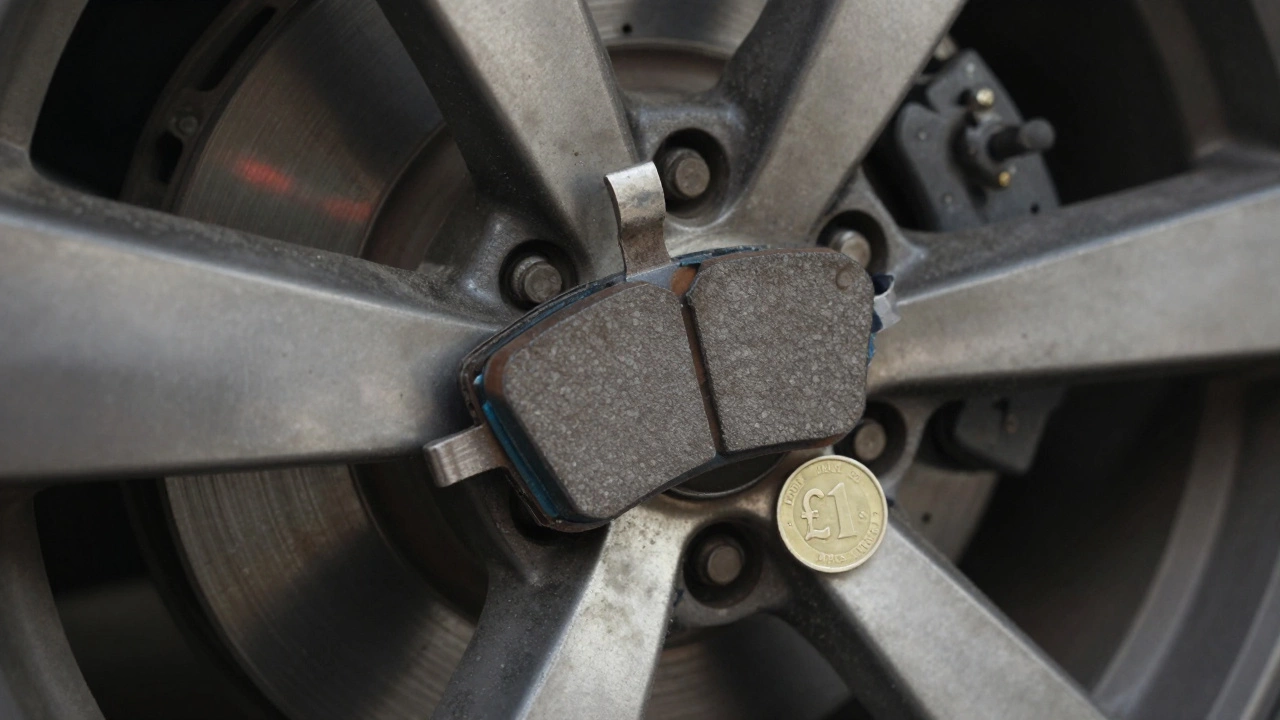
How Do You Know Your Brake Pads Are Bad? 7 Clear Signs You Need New Brake Pads
Learn the 7 clear signs your brake pads are worn out - from squealing noises to longer stopping distances. Don't wait until it's too late to replace them.
December 1 2025