Radiator Replacement Cost & Decision Calculator
Enter details to calculate estimated costs and get a recommendation.
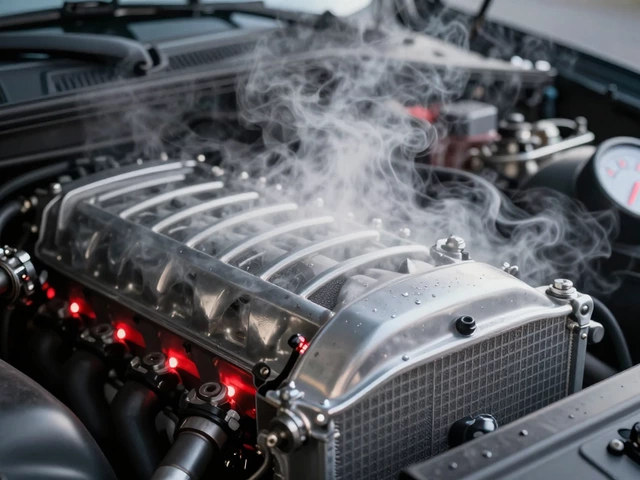
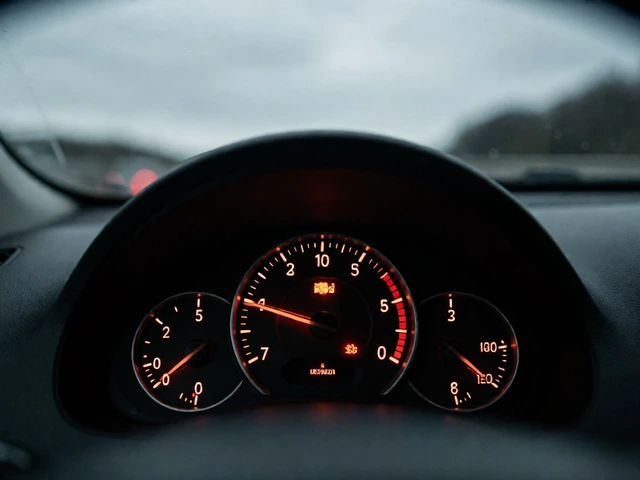
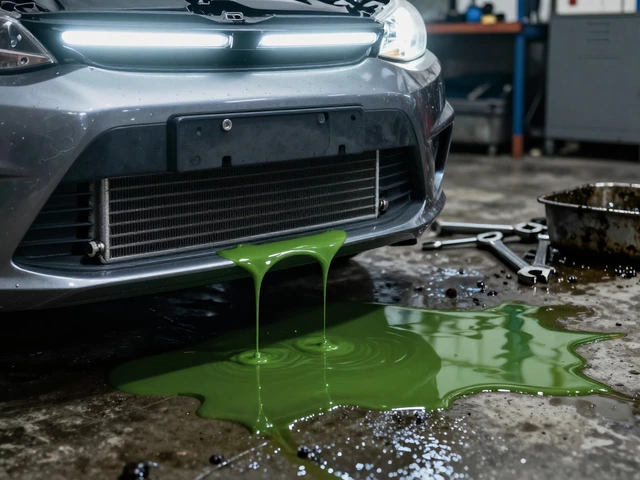
You’re driving along, and suddenly the temperature gauge starts creeping toward the red zone. Or maybe you spot a sweet-smelling green puddle under your bonnet. These are classic signs that your car radiator is failing. But here’s the million-dollar question: should you replace it immediately, or can you get away with a patch job? The answer isn’t always black and white, but making the wrong call could leave you stranded on the motorway.
Replacing a radiator feels like a big deal because it involves draining coolant, removing hoses, and dealing with heavy metal components. But compared to replacing an engine head gasket-which often happens when a bad radiator goes unnoticed-it’s actually one of the cheaper repairs in automotive maintenance. Let’s break down exactly when you need to swap it out, what it costs, and how to avoid getting ripped off by shady mechanics.
The Hidden Cost of Ignoring a Bad Radiator
A radiator is part of your vehicle’s cooling system. Its job is simple: take hot coolant from the engine, pass it through thin tubes exposed to airflow, and cool it down before sending it back. If this process fails, heat builds up fast. Engines operate best between 90°C and 105°C. Go above that, and metal components start expanding unevenly.
Here’s the scary part: a small leak might seem harmless for weeks. You top up the coolant every month and think you’ve dodged a bullet. But internal corrosion doesn’t wait. Old radiators often clog internally with rust and scale, blocking flow even if there’s no visible leak. This causes "hot spots" in the engine block. In severe cases, the cylinder head warps, leading to a blown head gasket. Repairing a head gasket can cost £800-£1,500+, whereas a new radiator usually sits between £150 and £400 depending on the car model and labour rates.
Think of it as insurance. Spending £200 now saves you from a £1,200 bill later. Is that worth it? For most drivers, absolutely yes.
Signs You Need a Replacement vs. Just a Repair
Not every cooling issue requires a full radiator swap. Sometimes, it’s just a loose hose clamp or a faulty thermostat. How do you tell the difference? Look for these specific symptoms:
- Visible Leaks: Check the front of the radiator where the plastic end tanks meet the aluminium core. Cracks here are common on older cars (especially those over 10 years old). If the crack is small, a sealant might work temporarily, but replacement is safer.
- Discoloured Coolant: Open the expansion tank cap (when cold!). If the fluid looks brown, rusty, or has oily swirls, the radiator is corroding from the inside. Flushing might help, but if the fins are blocked, flow won’t improve.
- Frequent Overheating: If the temp gauge spikes at idle but drops when you drive, the fan clutch or electric fan might be the culprit. However, if it overheats while driving too, the radiator itself is likely compromised.
- Bent Fins: Use a flashlight to look at the core. Are many fins bent or crushed? This restricts airflow. While you can comb them straight, widespread damage means reduced efficiency.
If you see two or more of these signs, stop debating and start shopping for a new unit. Patching a structurally weak radiator is like putting a band-aid on a broken leg.
OEM vs. Aftermarket: Which One Should You Buy?
This is where things get tricky. You’ll find radiators ranging from £80 to £300 online. Why such a huge gap? It comes down to quality tiers.
| Type | Average Price (UK) | Lifespan | Best For |
|---|---|---|---|
| Economy Aftermarket | £60 - £100 | 2-4 years | Older cars, low mileage, budget fixes |
| Premium Aftermarket | £120 - £200 | 5-7 years | Daily drivers, reliable performance |
| OEM (Original Equipment) | £200 - £350+ | 8-10+ years | Newer cars, warranty preservation, high-performance engines |
Economy brands often use thinner aluminium and lower-quality plastic end tanks. They fit fine initially but tend to crack after a few winter freeze-thaw cycles. Premium aftermarket options from reputable manufacturers (like Nissens or Valeo) often match OEM specs closely without the dealer markup. Unless you’re keeping the car for another decade, premium aftermarket is usually the sweet spot for value.
DIY or Mechanic? Calculating Labour Costs
In Manchester, independent garages typically charge £60-£90 per hour for labour. A standard radiator replacement takes about 1.5 to 2 hours. So, expect to pay £100-£180 for the job alone. Add the part cost, and you’re looking at £250-£500 total.
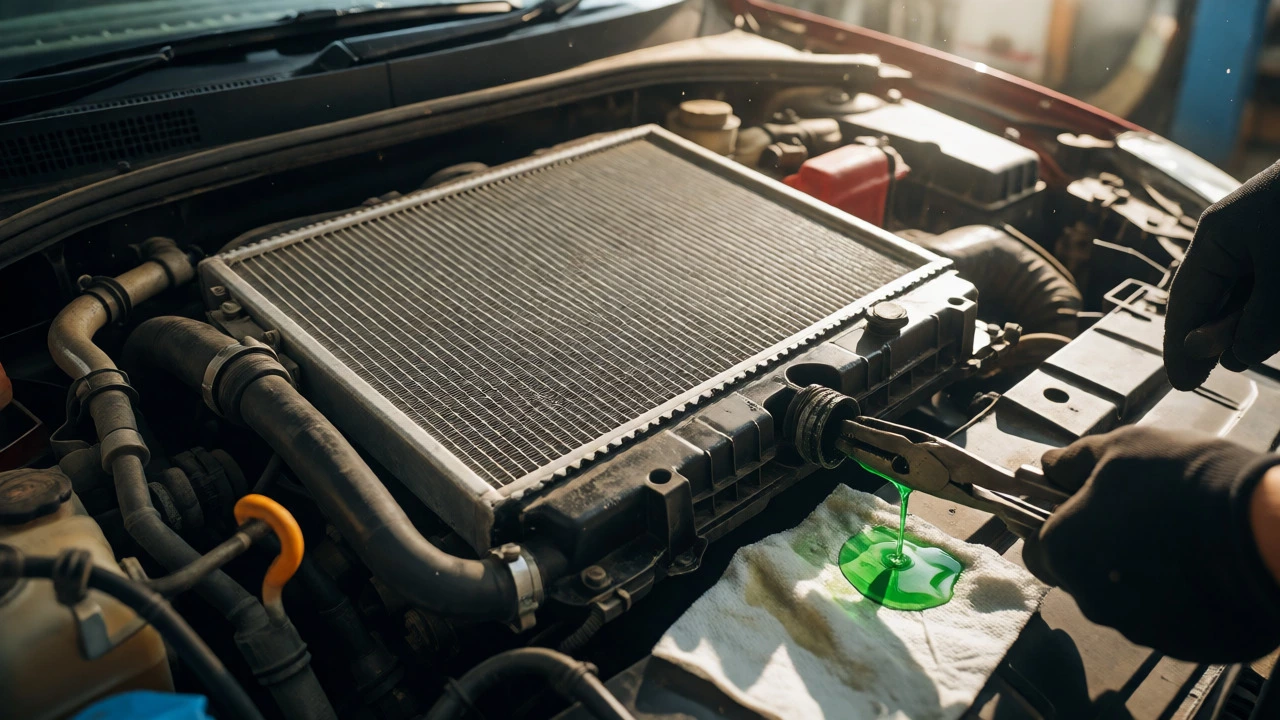
Can you do it yourself? Yes, if you have basic tools and a safe place to jack up the car. Here’s the rough workflow:
- Drain the old coolant into a container (it’s toxic to pets).
- Disconnect upper and lower hoses. Be ready for spills.
- Remove any shrouds or fans blocking access.
- Unbolt the radiator mounting brackets.
- Lift out the old unit carefully-don’t bend the new one during installation.
- Install the new radiator, reconnect hoses, and refill with fresh coolant.
- Bleed the air from the system (this step is crucial; trapped air causes overheating).
If you’re comfortable bleeding the cooling system properly, DIY saves you significant cash. If not, paying a pro ensures the job is done right and prevents airlocks that mimic a faulty radiator.
When NOT to Replace It
Sometimes, the radiator gets blamed unfairly. Before buying a new one, check these three cheap culprits:
- The Thermostat: A stuck-closed thermostat prevents coolant from flowing to the radiator. It costs £20-£40 to replace. Test this first.
- Water Pump: If the pump impeller is worn, coolant doesn’t circulate. Listen for whining noises from the belt area. Replacing a water pump is similar in effort to a radiator but often overlooked.
- Radiator Cap: A weak cap fails to maintain pressure, lowering the boiling point of the coolant. It’s a £10 fix that solves mysterious overheating issues.
Always rule these out first. Mechanics sometimes push a radiator replacement because it’s a higher-margin part. Ask them to pressure-test the system before agreeing to a swap.
Final Verdict: Is It Worth It?
If your car is less than 10 years old and you plan to keep it, replacing a failing radiator is almost always worth it. The risk of engine damage far outweighs the cost of the part. Even for older vehicles, a mid-range aftermarket radiator provides peace of mind for another few years.
However, if your car is near the end of its life (high mileage, other major repairs needed), consider whether spending £300 on a radiator makes sense versus selling the car. But for the vast majority of UK drivers, a healthy cooling system is non-negotiable for reliable motoring.
How long does a car radiator last?
Most modern car radiators last between 8 to 10 years or 100,000 to 150,000 miles. However, harsh driving conditions, poor coolant maintenance, or using tap water instead of proper antifreeze can significantly shorten this lifespan.
Can I drive with a leaking radiator?
You can drive short distances if the leak is minor and you constantly monitor the temperature gauge and top up coolant. However, it is risky. If the leak worsens unexpectedly, you could overheat within minutes, causing severe engine damage. It is best to limit driving until repaired.
Why is my new radiator leaking?
New radiators rarely fail unless they were damaged during installation or shipping. Common causes include incorrect hose connections, a defective radiator cap, or cross-threaded fittings. Ensure the system was bled correctly and check all clamps for tightness.
Does flushing a radiator fix overheating?
Flushing helps if the issue is caused by debris or sludge blocking the flow. If the radiator’s internal tubes are corroded or collapsed, flushing won’t restore flow capacity. In those cases, replacement is necessary.
What coolant should I use?
Always use the coolant specification recommended by your vehicle manufacturer (e.g., G12, G13, OAT, HOAT). Mixing incompatible coolants can cause gel formation, which blocks the radiator and heater core. Never use plain tap water except in emergencies.