Oil Change Delay Cost Calculator
Input Your Situation
Analysis Result
Status:
Cost to Fix Now
£40 - £80
Potential Repair Cost
-
Enter your details to see the impact of delaying your oil change.
You’re running late. The dashboard light hasn’t come on yet, but you know the last service was six months ago. You tell yourself you’ll get it done next week. Then next month rolls around. How bad is it really to delay an oil change? The short answer is: worse than you think, even if the car seems fine.
Engine oil isn’t just a lubricant; it’s the blood of your vehicle. It cools moving parts, cleans sludge, and prevents metal-on-metal contact. When you ignore the schedule, that fluid breaks down. The consequences range from reduced fuel economy to catastrophic engine failure. Let’s look at what actually happens inside the block when you push those limits.
The Quick Takeaways
- Fresh oil protects against friction; old oil turns into abrasive grit that wears down pistons and bearings.
- Delaying by a few hundred miles usually causes no immediate harm, but delaying by thousands risks total engine seizure.
- Synthetic oil lasts longer than conventional oil, but it still degrades due to heat and contamination, not just time.
- Modern cars with oil life monitors are smarter, but they aren’t infallible-severe driving conditions drain oil life faster.
- The cost of an oil change is pennies compared to the thousands required for an engine rebuild or replacement.
What Actually Happens Inside Your Engine?
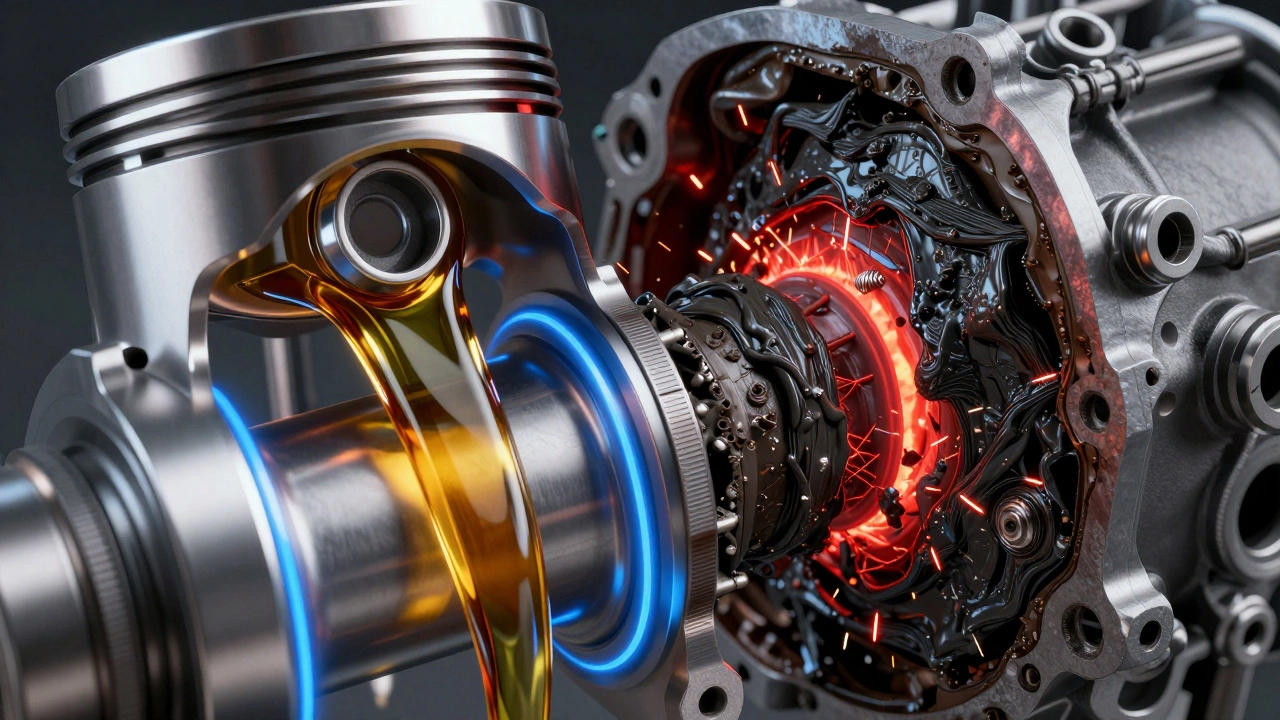
To understand why timing matters, you need to see how engine oil works under pressure. When fresh, oil has additives that neutralize acids, suspend dirt, and maintain viscosity (thickness). As you drive, three things happen simultaneously:
- Oxidation: Heat breaks down the chemical bonds in the oil, turning it thick and sludgy.
- Contamination: Combustion byproducts like soot, water vapor, and unburnt fuel mix into the oil.
- Additive Depletion: The detergents and anti-wear agents get used up fighting corrosion and cleaning the engine.
When these processes go unchecked, the oil loses its ability to coat the cylinder walls properly. This leads to increased friction. Think of it like trying to run a marathon in shoes with worn-out soles. You can do it for a bit, but eventually, your feet blister, and your performance drops. In an engine, that "blister" is metal shavings entering the oil stream, which then circulates back through the pump, scratching every surface it touches.
The Stages of Neglect: From Mild to Critical
Not all delays are created equal. Missing your scheduled date by two weeks is different from ignoring it for six months. Here is how the damage escalates based on severity.
| Delay Duration | Visible Symptoms | Internal Damage Level | Risk Assessment |
|---|---|---|---|
| 1-2 Weeks / 500 Miles | None | Negligible | Low - Just schedule it soon. |
| 1 Month / 1,000+ Miles | Darker oil color, slight noise increase | Mild additive depletion | Medium - Accelerated wear begins. |
| 3+ Months / 3,000+ Miles Overdue | Sluggish acceleration, overheating signs | Sludge buildup, bearing wear | High - Immediate service needed. |
| 6+ Months / Ignored Warning Light | Loud knocking, smoke from exhaust | Catastrophic failure imminent | Critical - Engine likely ruined. |
In the early stages, the damage is invisible. You might notice the car feels slightly less responsive, or the engine runs a degree hotter than usual. By the time you hear a "knocking" sound from the bottom end, the connecting rod bearings have likely already spun. At that point, the repair bill isn’t £50 for an oil change; it’s £2,000 to £4,000 for a new engine.
Synthetic vs. Conventional: Does Type Matter?
A common excuse for delaying maintenance is switching to synthetic oil. Many drivers believe synthetic oil is "forever" fluid because it lasts longer than conventional petroleum-based oil. While true, this is a dangerous misconception.
Synthetic oil has a more uniform molecular structure, allowing it to resist breakdown at higher temperatures and flow better in cold weather. Manufacturers often recommend intervals of 7,500 to 10,000 miles for synthetic blends. However, "longer interval" does not mean "infinite." Synthetic oil still collects contaminants. If you tow heavy loads, drive in stop-and-go traffic, or live in extreme heat, your synthetic oil will degrade much faster than the lab-tested maximum.
If you are using conventional oil, the margin for error is smaller. These oils break down quicker and form sludge more easily. Delaying a conventional oil change by even 500 miles beyond the recommendation can significantly shorten engine life, especially in older vehicles.
Signs Your Oil Needs Changing Now
Don’t wait for the check engine light. That light often indicates a broader system issue. Instead, watch for these specific indicators related to oil health:
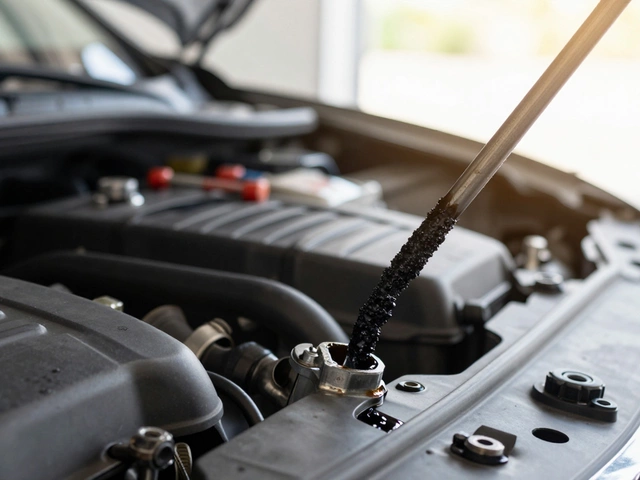
- Dark, Gritty Oil: Pull the dipstick. Fresh oil is amber and translucent. Used oil is black. If it feels gritty between your fingers, particles are suspended in the fluid, acting like sandpaper inside your engine.
- Exhaust Smoke: Blue or gray smoke means oil is burning. This could be a leak, but it can also indicate that old, thin oil is slipping past piston rings.
- Oil Pressure Warning Light: If this comes on while driving, pull over immediately. Low pressure means the pump isn’t circulating oil effectively, possibly due to clogged filters or low volume.
- Rumbling or Growling Noises: Healthy engines hum. Worn bearings and lack of lubrication create a rhythmic knocking or growling sound, particularly when accelerating.
The Hidden Costs of "Just One More Trip"
We’ve all been there. You need to drive to the airport, and you think, "I’ll get the oil changed after I return." But consider the hidden costs beyond the repair bill:
Fuel Economy Drops: Sludge increases internal resistance. Your engine has to work harder to move pistons, burning more fuel. A dirty engine can reduce MPG by 1-2%. Over a year, that adds up to significant expense.
Resale Value Plummets: When selling your car, buyers check service records. Gaps in oil changes raise red flags. A potential buyer might assume neglected oil means neglected brakes, transmission, and tires. You could lose hundreds in negotiation power.
Environmental Impact: Poorly maintained engines emit more pollutants. In the UK, where emissions zones are expanding, a poorly tuned engine due to sludge buildup could potentially fail MOT inspections related to emissions, leading to fines or restricted driving areas.
How to Avoid the Trap
So, how do you stop yourself from delaying? Here are practical steps to keep your engine healthy without obsessing over the calendar.
- Use the Oil Life Monitor Wisely: Modern cars calculate oil life based on driving habits, not just mileage. If your car says 10% left, treat it as urgent. Don’t try to squeeze out extra miles.
- Set Calendar Reminders: After every oil change, set a reminder for 90% of the recommended interval. If your car needs it every 10,000 miles, remind yourself at 9,000.
- Check the Dipstick Monthly: It takes thirty seconds. Look at the color and level. If it’s low, top it up. If it’s dark, book an appointment.
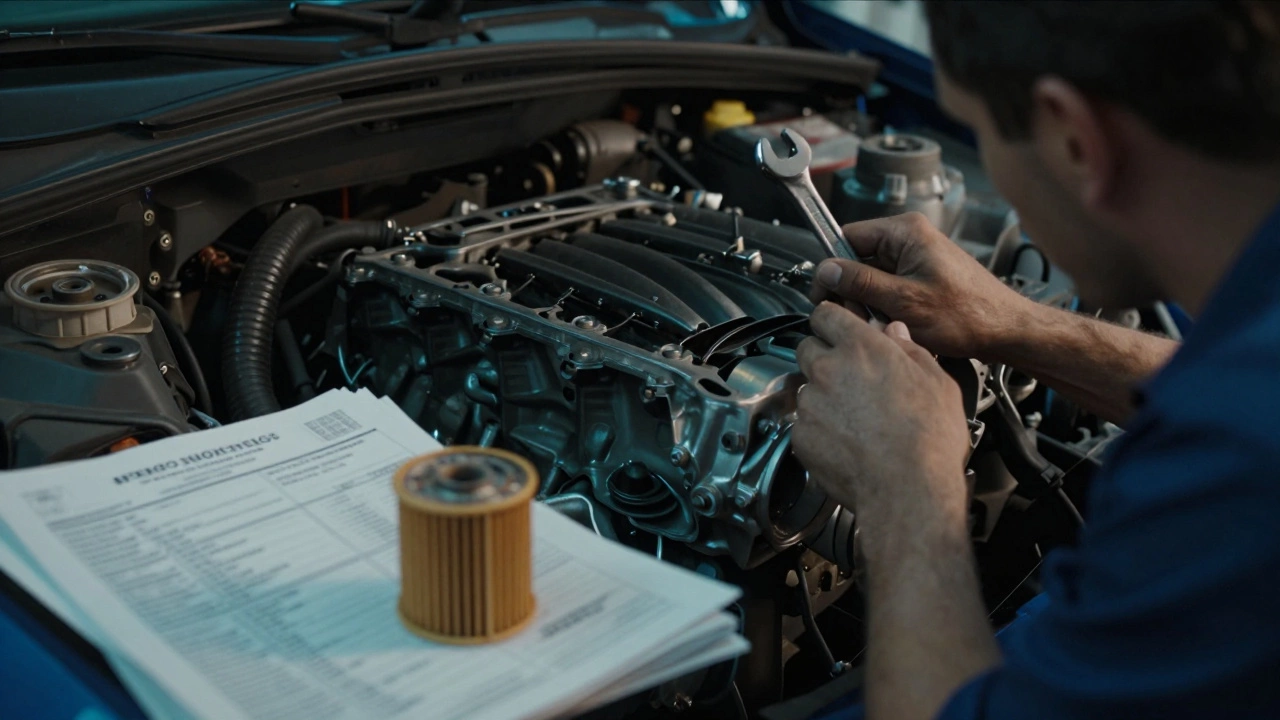
- Choose Quality Filters: The oil filter traps contaminants. A cheap filter may collapse or bypass dirty oil back into the engine. Always use a high-quality filter during changes.
Final Thoughts on Timing
Delaying an oil change is a gamble with a terrible payout ratio. You save £40 today to risk spending £3,000 tomorrow. The technology in modern engines is precise, and that precision requires clean, high-quality lubrication. Treat your oil change schedule like a non-negotiable appointment. Your engine-and your wallet-will thank you.
Can I drive my car if the oil is overdue?
Yes, but only for a short distance to reach a mechanic. Driving extensively with overdue oil increases friction and heat, which can warp engine components. If the oil level is critically low, do not drive at all.
Does synthetic oil never need changing?
No. Synthetic oil lasts longer than conventional oil, typically 7,500 to 10,000 miles, but it still degrades. Contaminants like soot and metal particles accumulate over time, reducing its effectiveness regardless of its base quality.
How often should I change oil in the UK climate?
The UK’s wet and variable climate doesn’t drastically change oil life, but frequent short trips in city traffic do. Cold starts cause condensation in the oil. If you mostly drive short distances, stick to the lower end of your manufacturer’s recommended interval.
What is the cost of an oil change vs. an engine rebuild?
A standard oil change costs between £40 and £80 in the UK. An engine rebuild or replacement can cost between £1,500 and £4,000 depending on the vehicle. Preventative maintenance is exponentially cheaper than reactive repairs.
Can I add fresh oil to old oil instead of changing it?
Topping up is fine if the level is low, but adding fresh oil to old, contaminated oil dilutes the problem temporarily. The old oil still contains sludge and depleted additives. You must drain and replace the entire volume to reset protection levels.