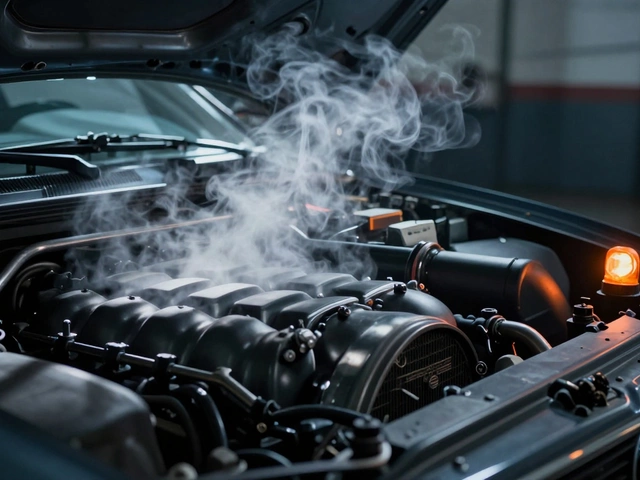
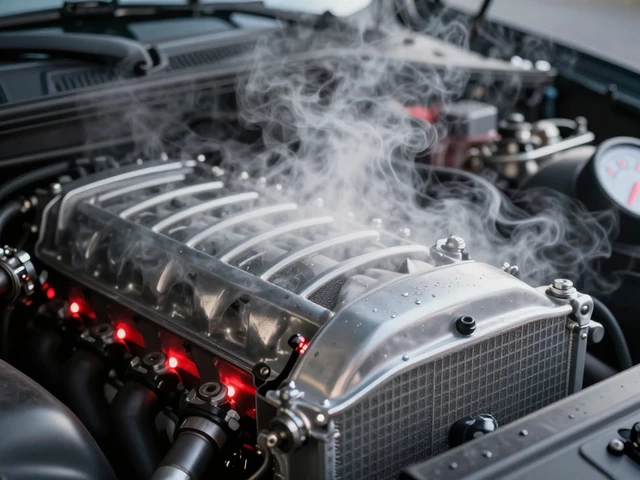
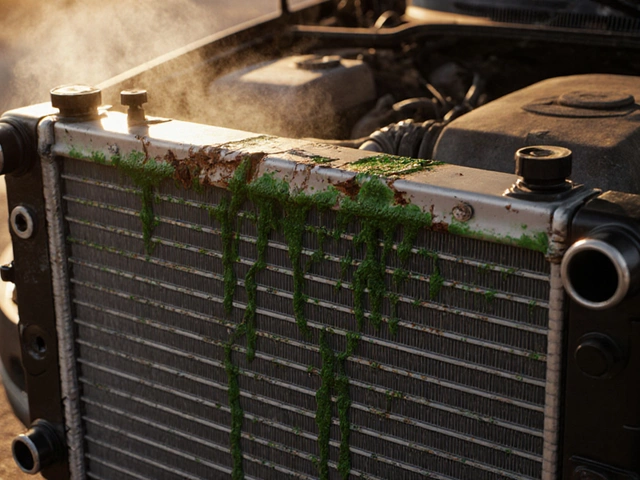
Your car’s temperature gauge is creeping into the red. Steam hisses from under the hood. You pull over, heart pounding, wondering if you’re about to be stranded on the side of the road. This is the moment every driver dreads, and it usually points to one critical component: the radiator is a heat exchanger that cools the engine coolant circulating through the engine block. But here is the real question keeping you up at night: Is it actually worth replacing this part, or should you just keep patching it up with sealants and extra coolant?
The short answer is yes, but only if your vehicle still has value and the rest of the cooling system is in decent shape. A failing radiator doesn’t just risk an overheated engine; it can lead to catastrophic internal damage like warped cylinder heads or blown head gaskets. However, throwing money at a radiator swap on a twenty-year-old daily driver might not make financial sense. Let’s break down exactly when you should pull the trigger on a replacement and when you should walk away.
Quick Summary / Key Takeaways
- Replace immediately if: You see visible corrosion, leaks from the tank seams, or sludge buildup inside the core.
- Skip replacement if: The car’s market value is less than the repair cost (usually under £800-£1000 depending on labor).
- Upgrade opportunity: Swapping old copper-brass units for modern aluminum ones can improve cooling efficiency by up to 20%.
- Hidden costs: Always check the thermostat, water pump, and hoses during a radiator job to avoid repeat visits.
- DIY potential: Radiator swaps are moderate-difficulty jobs; saving on labor can cut costs by half.
How to Spot a Failing Radiator Before It Breaks Down
You don’t always need a breakdown to know your radiator is dying. There are clear warning signs that appear weeks or even months before total failure. Ignoring these signals is what turns a £300 repair into a £2,000 engine rebuild.
First, look at your coolant levels. If you find yourself topping off the reservoir every few days without any obvious external puddles, you likely have an internal leak. The coolant is burning off inside the combustion chamber or leaking into the oil passages. Check your oil dipstick; if it looks like a chocolate milkshake, the radiator’s internal seals have failed, allowing coolant to mix with engine oil. This is a serious issue that requires immediate attention.
Second, inspect the exterior. Older cars often use plastic tanks attached to metal cores. Over time, the plastic becomes brittle due to heat cycling. Look for cracks around the filler neck or where the hoses connect. Even small hairline fractures will spray pressurized coolant onto hot engine parts, creating that distinct sweet smell of burning antifreeze.
Third, watch the temperature gauge. Modern cars are sensitive. If the needle fluctuates wildly or sits higher than normal on hot days, the radiator’s ability to dissipate heat is compromised. This could be due to clogged fins from bug splatter or internal corrosion blocking the flow of coolant through the tubes.
| Symptom | Likely Cause | Urgency Level |
|---|---|---|
| Visible coolant leaks | Cracked tanks or corroded core | High - Stop driving |
| Milky white oil | Internal seal failure mixing fluids | Critical - Engine damage imminent |
| Overheating under load | Clogged fins or blocked tubes | Medium - Monitor closely |
| Rust-colored coolant | Internal corrosion | Low-Medium - Flush soon |
The Cost Factor: Repair vs. Replace vs. Scrap
This is where most people get stuck. You want to fix the car, but you also want to protect your wallet. To decide if replacing the radiator is worth it, you need to do a simple math calculation involving three numbers: the cost of the part, the cost of labor, and the current market value of your vehicle.
In the UK market as of 2026, a new OEM-quality radiator for a common family car like a Ford Focus or VW Golf typically costs between £150 and £300. Independent brands offer cheaper alternatives for £80-£150, though quality varies. Labor rates average £80-£120 per hour. Since removing and installing a radiator usually takes two to three hours, expect to pay another £160-£360 for the mechanic’s time. Total bill: roughly £300 to £650.
If your car is worth more than £1,500, this repair is absolutely worth it. It extends the life of the vehicle and prevents expensive engine damage. However, if you are driving a ten-year-old hatchback valued at £900, spending £500 on a radiator feels painful. In this scenario, ask yourself: Are there other major repairs looming? A failing transmission or suspension issues might make the radiator repair a drop in the bucket. If the car runs fine otherwise, the radiator swap keeps you mobile for another year or two, which might be all you need.
Consider the "repair" option cautiously. Radiator welders exist and can fix small leaks for £50-£100. But this is a temporary band-aid. If the core is corroding internally, welding the outside won’t help. Use professional repair only for minor external tank cracks on high-value classic cars where OEM replacements are scarce.
Aluminum vs. Copper: Should You Upgrade?
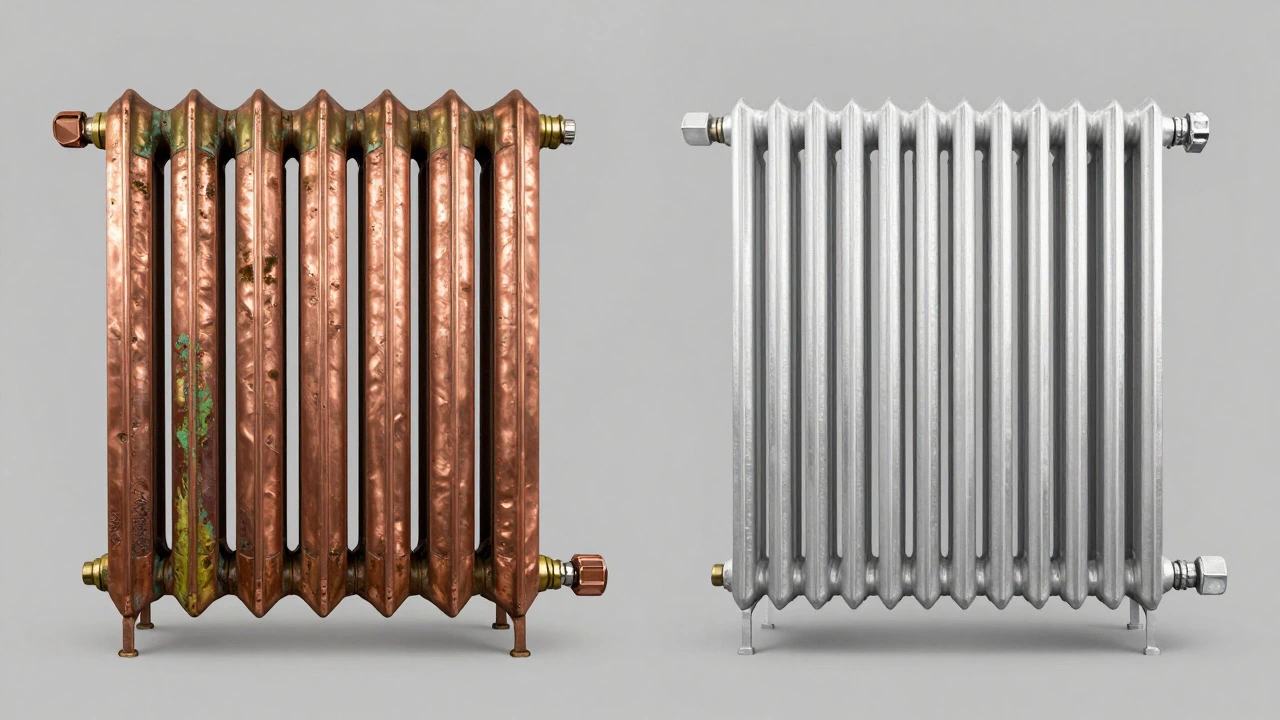
If your decision leans toward replacement, you have a choice to make regarding materials. Most cars built after the mid-1990s already use aluminum radiators. Older vehicles, particularly those from the 1980s and early 90s, often came with copper and brass units. If you are restoring an older car or simply replacing a worn-out unit, understanding the difference matters.
Aluminum radiators are lightweight heat exchangers made from aluminum alloys, offering good thermal conductivity at a lower weight are lighter, cheaper to manufacture, and resist corrosion better in modern ethylene-glycol-based coolants. They are the standard for a reason. However, they are harder to repair if damaged because aluminum doesn’t solder well with traditional methods.
Copper radiators are heavy-duty heat exchainers made from copper and brass, known for superior heat transfer capabilities, on the other hand, are heavier and more expensive. But they conduct heat slightly better and are much easier to repair. For classic car enthusiasts, a refurbished copper radiator is often preferred for authenticity and ease of maintenance. For a modern daily driver, stick with aluminum. It’s lighter, which helps fuel economy, and perfectly adequate for stock engines.
If you are adding performance upgrades like a turbocharger or supercharger, consider a high-performance aluminum radiator with denser fin counts. These units move more air and dissipate heat faster, preventing detonation under high stress. Brands like Mishimoto or Koyorad offer direct-fit upgrades that can lower operating temperatures by 10-15 degrees Celsius compared to stock units.
Hidden Costs: Don't Forget the Rest of the System
Replacing the radiator is rarely an isolated event. The cooling system works as a closed loop, and neglecting other components while fixing the main one is a recipe for disaster. Mechanics call this "while you're in there" syndrome, and it saves you money in the long run.
Always replace the thermostat is a valve that regulates engine coolant flow based on temperature. It’s a cheap part (£15-£30) that fails frequently. If the old thermostat sticks open, the engine never warms up properly. If it sticks closed, you boil over. Since you’ve already paid for labor to drain the coolant and remove the radiator, swapping the thermostat adds almost zero extra cost.
Check the water pump is a mechanical device that circulates coolant through the engine and radiator. If your car has high mileage (over 80,000 miles), the water pump bearings might be wearing out. Water pumps are driven by the timing belt or chain. If you are replacing the timing belt anyway, change the water pump then. If not, listen for grinding noises. A failed water pump means no coolant flow, rendering your new radiator useless.
Inspect all rubber hoses. Upper and lower radiator hoses expand and contract over years. Look for bulges, soft spots, or cracks. Hard, brittle hoses will burst under pressure. Replace them proactively. Finally, flush the entire system with distilled water and a quality radiator flush chemical before filling with fresh coolant. Old sludge can clog your brand-new radiator within months if not removed.
DIY vs. Professional Installation
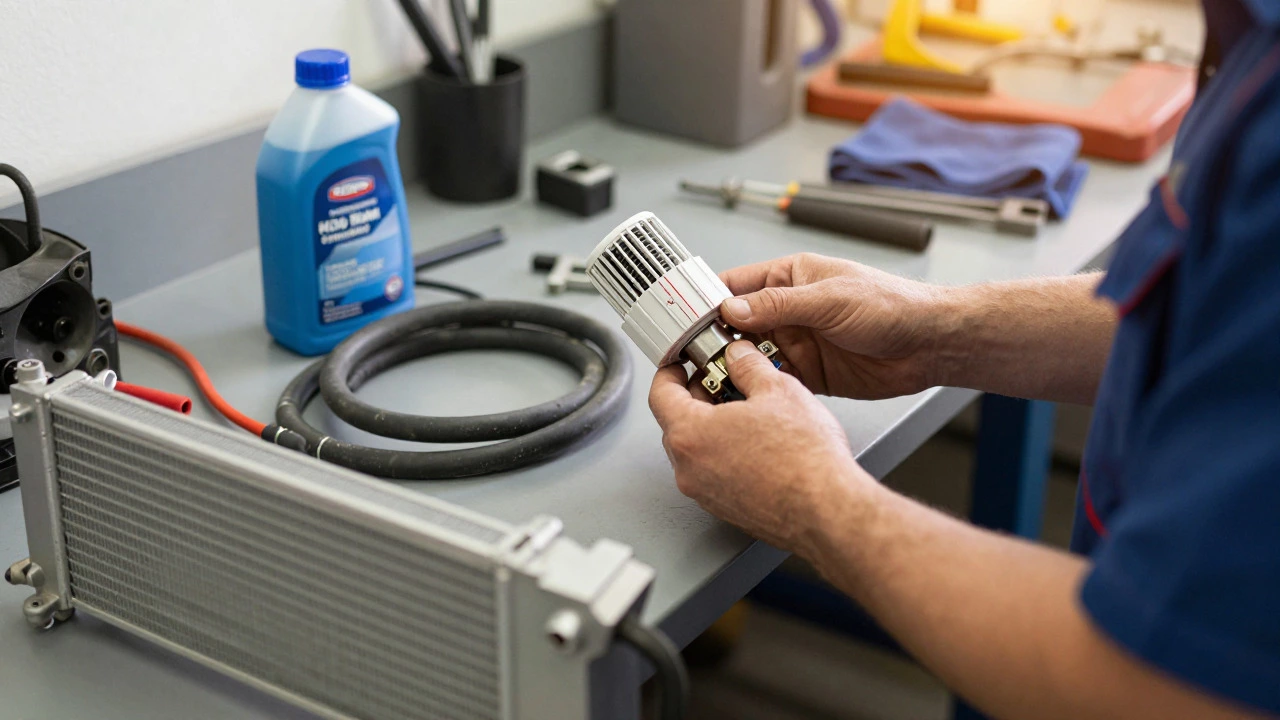
Can you do this yourself? Absolutely. For many front-wheel-drive cars, the radiator is accessible from the top once the battery and air intake box are removed. It involves unbolting the fan shroud, disconnecting hoses, and lowering the unit out. No special tools beyond basic sockets and wrenches are needed.
The biggest challenge is bleeding the air out of the system. Air pockets cause localized overheating and can damage the water pump. Follow your car manufacturer’s specific bleeding procedure. Some cars require a special bleeder screw on the thermostat housing; others need you to rev the engine with the heater on full blast while topping off the coolant. Take your time here. Rushing leads to air locks, which leads to overheating, which leads to calling a mechanic anyway.
If your car is rear-wheel drive or has a complex engine layout where the radiator is buried deep behind the bumper and crash bar, professional help might be worth the cost. Removing bumpers often requires prying clips that can break, leading to cosmetic repair bills that exceed the savings from DIY labor.
When to Walk Away
Sometimes, the rational choice is to stop repairing. If your radiator fails alongside other major components-like a slipping clutch, noisy transmission, or excessive oil consumption-the radiator repair is just delaying the inevitable. Calculate the total estimated cost of all needed repairs. If that sum exceeds 50% of the car’s blue-book value, it’s time to sell or scrap the vehicle and start saving for a newer model.
Also, consider reliability. An old car with a new radiator is still an old car. Will it pass its next MOT? Does it have rust in the chassis? If the structural integrity is compromised, pouring money into the cooling system is throwing good money after bad. Be honest with yourself about the car’s remaining lifespan.
Frequently Asked Questions
How long does a car radiator last?
Most modern radiators last between 8 to 10 years or 100,000 to 150,000 miles. Regular coolant changes every two to five years (depending on manufacturer specs) significantly extend this lifespan by preventing internal corrosion.
Can I drive with a leaking radiator?
You should avoid driving with a leaking radiator. Even a slow leak will eventually cause the coolant level to drop below safe limits, leading to overheating. Overheating can warp cylinder heads and destroy pistons within minutes. If you must drive, monitor the temperature gauge constantly and carry extra coolant.
Is it cheaper to repair or replace a radiator?
Replacement is almost always cheaper and more reliable than professional repair. Welding or sealing kits are temporary fixes. A new independent-brand radiator costs less than the labor required to professionally repair an old one, plus it comes with a warranty.
Do I need to change the coolant after replacing the radiator?
Yes, always change the coolant. The old fluid contains contaminants, rust, and debris that caused the previous radiator to fail. Using fresh coolant ensures maximum heat transfer and protects the new unit from corrosion. Use the type specified in your owner's manual.
What happens if I ignore a bad radiator?
Ignoring a bad radiator leads to engine overheating. Prolonged overheating causes the engine block to crack, cylinder heads to warp, and head gaskets to blow. Repairing these engine internals costs thousands of pounds, far exceeding the price of a new radiator.
Can a clogged radiator be cleaned instead of replaced?
External clogs from bugs and dirt can be cleaned with low-pressure water. Internal clogs from corrosion or sludge are difficult to clean thoroughly. A chemical flush might help mildly clogged systems, but severe internal blockages usually require replacement to restore proper flow.
Does using aftermarket radiators void my warranty?
Generally, no. As long as the aftermarket radiator meets OEM specifications and is installed correctly, it should not void the powertrain warranty. However, if the aftermarket part fails and causes engine damage, the manufacturer may deny coverage for that specific damage. Keep receipts and proof of installation.