Spark Plug Health Inspector
Adjust the settings below to match your spark plug's appearance.
Diagnosis: Optimal Condition
The light tan color indicates proper combustion. The gap is within specification. No immediate action required.
Ever started your car only to feel it stumble, hesitate, or just plain refuse to cooperate? Before you panic about a blown head gasket or a failing fuel pump, look at the smallest part of your engine’s ignition system. A faulty spark plug is a critical component that ignites the air-fuel mixture in an engine's cylinders can cause everything from poor fuel economy to complete breakdowns. The good news? You don’t need a degree in engineering to spot a bad one. With a little know-how and some basic tools, you can diagnose whether your plugs are still pulling their weight or if they’re ready for the scrap heap.
The Quick Check: What a Healthy Spark Plug Looks Like
Before we dive into complex diagnostics, let’s talk about what “good” actually looks like. When you pull a plug out of your engine, you’re looking for specific visual cues. A healthy plug tells a story about how well your engine is running. If the center electrode is sharp and the insulator (the white ceramic part) is clean with no cracks, you’re likely in good shape. The color of the electrode tip is also a dead giveaway. It should be a light tan or grayish-brown. This indicates a proper combustion process where the air-fuel mixture is burning efficiently.
If you see heavy black soot, that’s carbon buildup. It usually means your engine is running rich-too much fuel, not enough air. On the flip side, if the tip is blistered, melted, or has tiny white spots, your engine might be running too hot. This could signal lean fuel mixtures or pre-ignition issues. Remember, these signs aren’t just about the plug itself; they reflect the health of your entire ignition system is the network of components responsible for generating and delivering high-voltage electricity to ignite fuel.
Symptoms That Scream “Bad Spark Plug”
Sometimes, you won’t have time to pop the hood and inspect the plugs. In those cases, your car will tell you something is wrong through its behavior. Pay attention to these common symptoms:
- Engine Misfires: Does your car jerk or stutter when you accelerate? A misfire happens when one cylinder fails to ignite properly. If this feels random and intermittent, a worn plug is often the culprit.
- Poor Fuel Economy: Are you filling up more often than usual without changing your driving habits? Bad plugs waste fuel because the combustion isn’t efficient. You’re literally pouring money down the exhaust pipe.
- Rough Idle: When you’re stopped at a red light, does the engine shake or sound uneven? A rough idle is a classic sign of ignition trouble.
- Difficulty Starting: If your car cranks longer than usual before firing up, especially in cold weather, weak sparks might be the issue.
- Check Engine Light: Modern cars have sensors that detect misfires. If the light comes on, check your diagnostic trouble codes. Codes like P0300-P0308 specifically point to cylinder misfires, which often trace back to spark plugs.
Don’t ignore these signs. Driving with bad plugs doesn’t just hurt performance; it can damage your catalytic converter over time. Unburned fuel enters the exhaust system, overheating the converter and leading to expensive repairs.

Step-by-Step: How to Inspect Your Spark Plugs
Ready to take a closer look? Here’s how to do it safely and effectively. First, make sure your engine is cool. Hot engines can burn you, and thermal expansion can make plugs harder to remove. You’ll need a socket wrench, a spark plug socket (usually 5/8 inch or 16mm), and a ratchet. Some vehicles require removing engine covers or coils, so consult your owner’s manual if you’re unsure.
- Locate the Plugs: Find the spark plug wires or coil packs on top of the engine. Label them if you plan to reuse them, though most people replace plugs rather than swap them.
- Clean the Area: Use compressed air or a brush to clear dirt around the plug base. Debris falling into the cylinder can cause serious engine damage.
- Remove the Plug: Attach the socket to the ratchet and turn counterclockwise. Be gentle but firm. If it sticks, don’t force it-use penetrating oil and wait.
- Inspect Visually: Pull the plug out and examine the electrodes, insulator, and threads. Look for cracks, erosion, or unusual deposits.
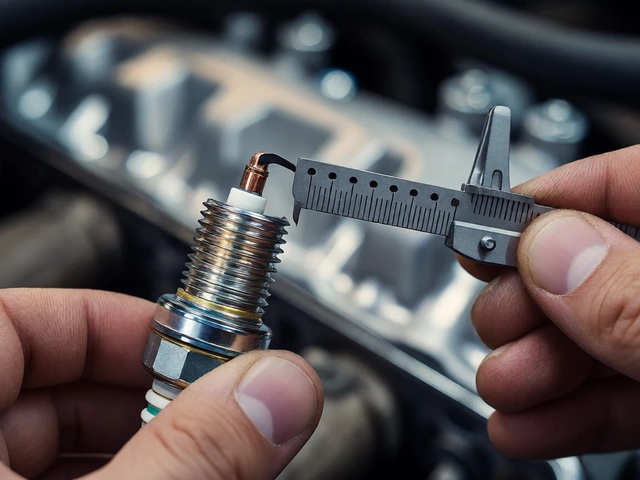
- Measure the Gap: Use a feeler gauge to check the distance between the center and ground electrodes. Compare it to your manufacturer’s specifications. If the gap is too wide or narrow, adjust it carefully or replace the plug.
This process takes less than 30 minutes for most cars. If you’re uncomfortable doing it yourself, any reputable mechanic can handle it quickly. But knowing what to look for helps you avoid being overcharged for unnecessary replacements.
When to Replace vs. When to Keep
Not every dirty plug needs replacing. Sometimes, a simple cleaning or gap adjustment breathes new life into an old plug. However, modern iridium spark plugs are high-performance plugs made with iridium alloy electrodes that last significantly longer than traditional copper plugs are designed to last up to 100,000 miles. If yours are within that range and show minor wear, they might still be viable. But if the electrodes are rounded, eroded, or heavily fouled, replacement is the safer bet.
Consider your mileage too. If you’ve driven over 50,000 miles since the last change and experience any of the symptoms above, don’t gamble. New plugs cost between $10 and $50 each, depending on type. Labor adds another $50-$150. Compare that to the potential cost of a damaged catalytic converter ($1,000+) or reduced fuel efficiency over thousands of miles. Prevention pays off.
| Type | Average Lifespan | Cost Range | Best For |
|---|---|---|---|
| Copper | 20,000 - 30,000 miles | $5 - $15 per plug | Budget-friendly, older vehicles |
| Platinum | 60,000 miles | $15 - $30 per plug | Daily drivers, moderate performance |
| Iridium | 100,000+ miles | $20 - $50 per plug | High-performance, long-term reliability |

Common Mistakes to Avoid During Inspection
Even experienced DIYers make errors when checking spark plugs. One big mistake is ignoring the boot condition. The rubber boot connects the wire to the plug. If it’s cracked or brittle, moisture can seep in, causing arcing and misfires. Always inspect the boots alongside the plugs themselves.
Another pitfall is forcing a stuck plug. If resistance increases as you try to loosen it, stop. Forcing it can strip the threads in the cylinder head, requiring professional extraction. Use steady pressure and consider tapping the tool lightly to break corrosion bonds.
Finally, don’t mix plug types. Using different brands or materials in the same engine can lead to inconsistent performance. Stick to one type recommended by your manufacturer. Consistency ensures balanced combustion across all cylinders.
Pro Tips for Long-Term Plug Health
Want your plugs to last longer? Start with quality parts. Cheap aftermarket plugs may save money upfront but often fail prematurely. Choose OEM-approved or reputable brands like NGK, Denso, or Bosch. They undergo rigorous testing to meet exact specifications.
Regular maintenance matters too. Change your air filter regularly. A clogged filter forces the engine to work harder, altering the air-fuel ratio and stressing the plugs. Also, address any oil leaks promptly. Oil entering the combustion chamber fouls plugs rapidly, shortening their lifespan.
Lastly, keep records. Note when you replaced your plugs and the mileage. This helps you track patterns and anticipate future needs. If you consistently replace plugs early, investigate underlying issues like fuel injectors or oxygen sensors.
Can I drive with a bad spark plug?
Technically yes, but it’s risky. Short trips might be fine, but prolonged driving strains the engine, reduces fuel efficiency, and risks damaging the catalytic converter. Fix it ASAP.
How often should I replace spark plugs?
It depends on the type. Copper plugs every 30k miles, platinum every 60k, iridium every 100k+. Check your owner’s manual for specifics tailored to your vehicle.
What causes spark plugs to fail prematurely?
Oil leaks, coolant contamination, incorrect gap settings, low-quality fuel, or extreme driving conditions can shorten plug life. Address root causes to prevent recurrence.
Do I need special tools to remove spark plugs?
Yes, a spark plug socket and ratchet are essential. Extension bars help reach tight spaces. Magnetic sockets reduce the risk of dropping debris into cylinders.
Is it safe to adjust the gap on used plugs?
Only if the electrodes are intact. Bending fragile or eroded electrodes can crack them. If in doubt, replace instead of risking further damage.