Radiator Drive Safety Checker
Assess the risk of driving with current radiator issues before you turn the key.
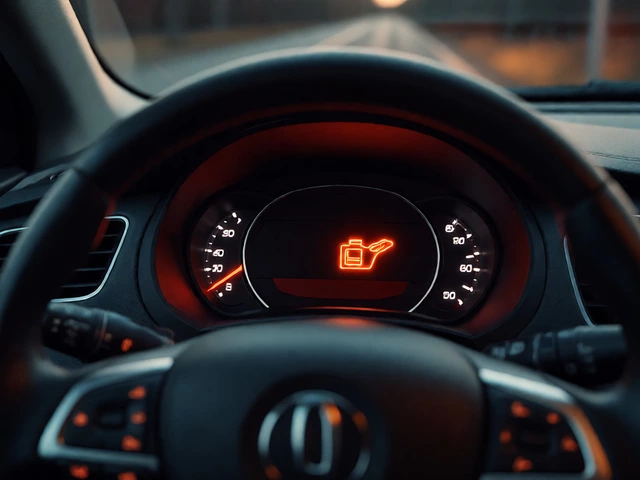
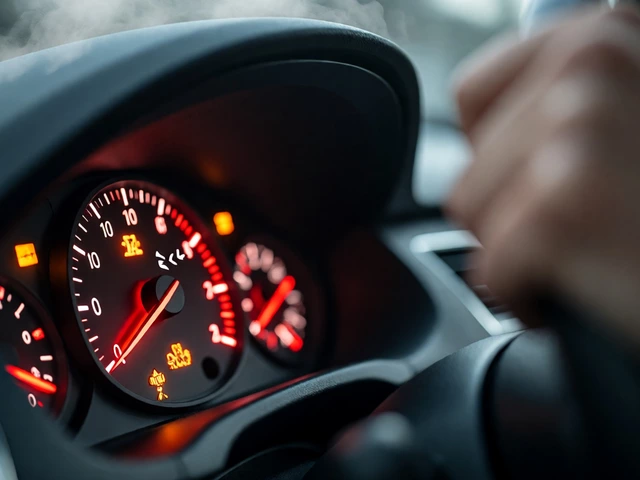
You’re halfway to work, the temperature gauge is creeping up, and you hear that ominous hissing sound from under the hood. The panic sets in: can you drive with radiator problems, or are you about to turn your car into an expensive paperweight? It’s a question every driver faces eventually, usually at the worst possible time. The short answer is "maybe," but the long answer involves a lot of money, potential engine destruction, and a very hot dashboard.
| Problem Type | Symptoms | Can You Drive? | Risk Level |
|---|---|---|---|
| Minor Leak | Dampness on radiator, low coolant level, no smoke | Yes, for short distances (under 5 miles) if monitored closely | Low to Medium |
| Cracked Core | Visible crack, steady drip, fluctuating temp gauge | No, tow recommended | High |
| Clogged Radiator | Overheating at idle, normal driving temps okay initially | Only to nearest shop; avoid traffic | Medium to High |
| Failed Fan Motor | Overheats in stop-and-go, cools down when moving fast | Yes, if highway speeds are maintained | Medium |
The Real Cost of Ignoring Overheating
Let’s be real: engines hate heat. Your internal combustion engine operates within a specific thermal window, typically between 195°F and 220°F (90°C-104°C). When the radiator fails to do its job-moving heat away from the engine-the metal components expand beyond their design limits. This isn’t just a minor inconvenience; it’s catastrophic failure waiting to happen.
If you push through a serious radiator issue, you risk warping the cylinder head. A warped head means the seal between the block and the head breaks, allowing coolant to mix with oil. That creates a milky sludge that destroys bearings and pistons. Repairing a blown head gasket or replacing a cracked block can cost $1,500 to $3,000+. Replacing a radiator? Maybe $300 to $600 depending on the car. The math is simple: don’t gamble with your engine block to save a few bucks on a tow truck.
Identifying the Specific Radiator Failure
Not all radiator problems are created equal. Before you decide whether to keep rolling, you need to know what’s actually broken. Is it a slow leak, a clog, or a total structural failure?
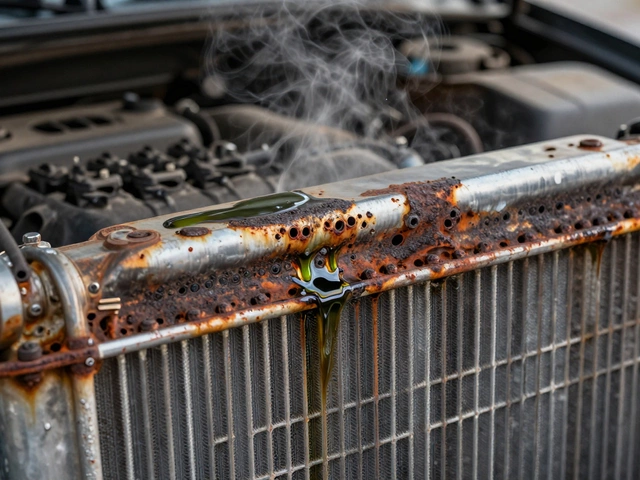
A minor external leak often shows up as green, orange, or pink residue around the radiator seams or hose connections. If the coolant level is only slightly low and the temperature gauge stays in the middle, you might get away with topping off the reservoir and driving carefully to a repair shop. But watch that gauge like a hawk. If it starts climbing past the midpoint, pull over immediately.
On the other hand, a clogged radiator is sneaky. Coolant flows fine when you’re cruising at 60 mph because air is rushing through the fins. But the moment you hit a red light or sit in traffic, the temperature spikes. This happens because the internal passages are blocked by rust, scale, or old coolant debris. If you experience this, you cannot drive far. The lack of airflow at idle will cook your engine quickly.
Then there’s the broken fan motor. Modern cars rely on electric fans to pull air through the radiator when the car isn’t moving fast enough. If the fan doesn’t spin, you’ll overheat in city driving but stay cool on the highway. This is one scenario where you can drive, provided you stick to open roads and avoid idling. Just know that you’re walking a tightrope.
When to Pull Over Immediately
There are non-negotiable signs that mean you should shut off the engine and call for help. Do not try to be a hero here.
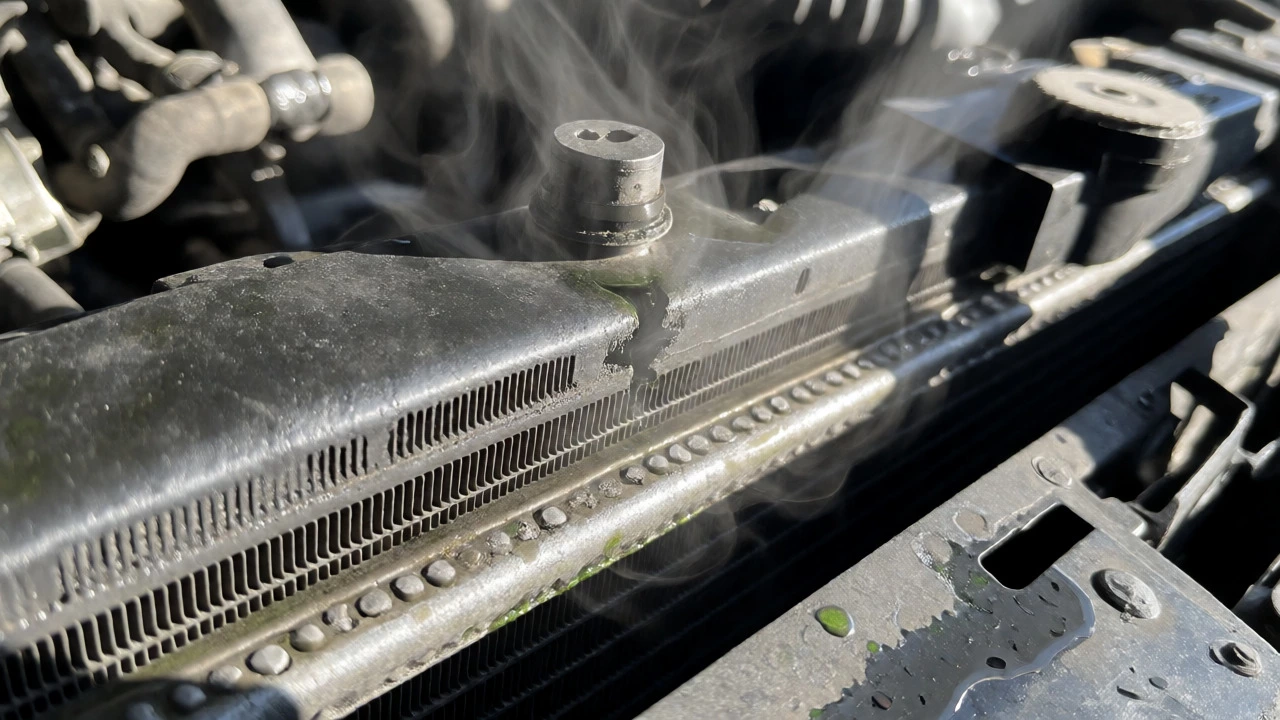
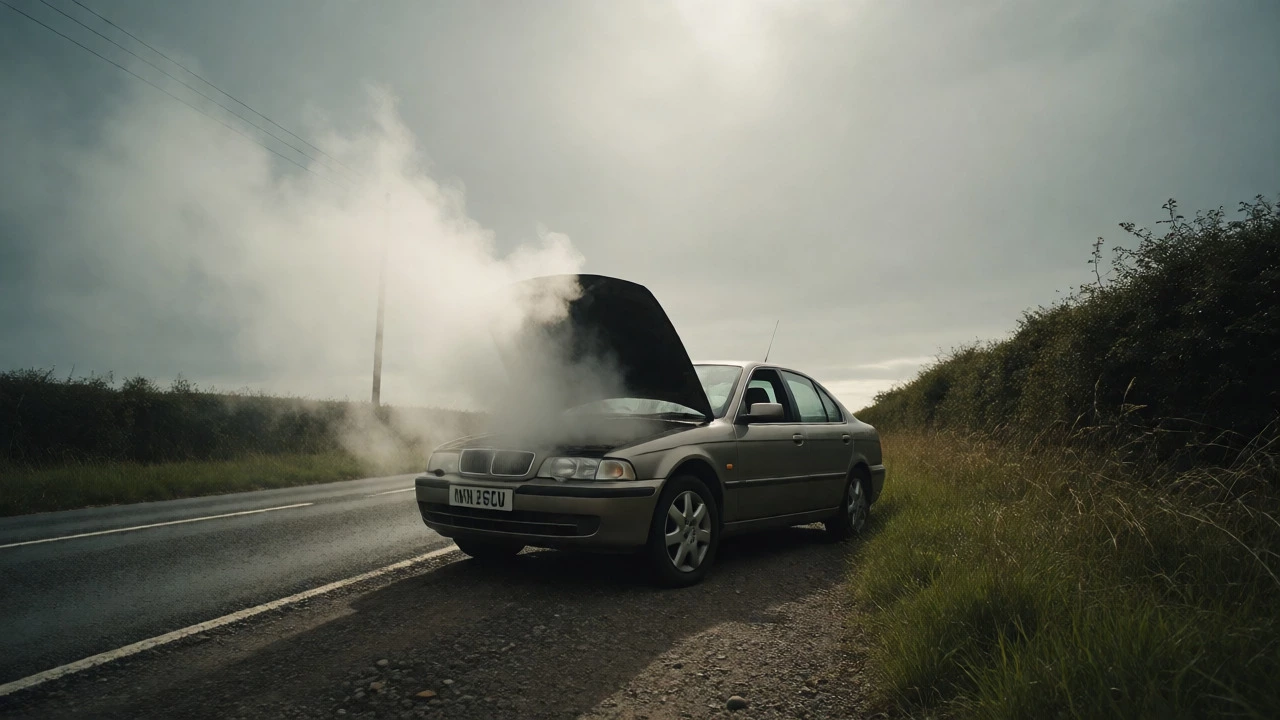
- Steam from the hood: This means coolant is boiling over. The system pressure has exceeded the cap’s limit, and hot fluid is spraying out. Opening the hood now could burn you. Wait for it to cool before checking anything.
- Temperature gauge in the red: Once the needle hits the red zone, you have seconds, not minutes, before permanent damage occurs. Turn off the AC (which adds load) and turn on the heater (which acts as a secondary radiator) to pull heat from the engine while you coast to safety.
- Visible coolant loss: If you see a puddle forming under the car and the reservoir is empty, you have no medium to transfer heat. Driving without coolant is like running a marathon with no water. You will collapse.
- Loud grinding or knocking noises: If the overheating has already caused friction issues, you might hear new sounds. Stop driving. These noises indicate metal-on-metal contact.
How to Safely Drive Short Distances
If you’ve assessed the situation and decided the risk is manageable-say, a small leak and you’re only two miles from home-you need to drive defensively. Your goal is to minimize engine load and maximize cooling efficiency.
First, check your coolant level when the engine is cold. Never open a hot radiator cap. If it’s low, top it off with distilled water or the correct coolant mixture. This buys you some thermal mass.
Next, manage your speed. Avoid aggressive acceleration. Keep RPMs low. If you’re on a manual transmission, shift up early. If you’re automatic, consider using a lower gear (like 'L' or '2') if you’re going uphill, as higher gears put more strain on the engine and generate more heat.
Use your climate controls strategically. Turning off the air conditioning reduces the load on the engine. Turning on the heater, even if it’s uncomfortable, helps dissipate heat from the coolant into the cabin air. Yes, it will be hot inside, but your engine will thank you.
Finally, take breaks. If you’re driving more than a few miles, stop every 10-15 minutes. Let the engine idle for a minute or two to allow the water pump to circulate coolant without the stress of propulsion. Check the temperature gauge during these pauses. If it drops back to normal, you can continue cautiously. If it stays high, you’re done driving.
The Difference Between Temporary Fixes and Repairs
Drivers often ask if they can use products like Bar’s Leaks or stop-leak additives to keep driving. These products are essentially liquid rubber or cellulose fibers that plug small holes. They can work for tiny pinhole leaks in the radiator core or plastic tanks.
However, these are band-aids, not cures. Stop-leak additives can clog the heater core (the small radiator inside your dashboard), meaning you lose your ability to defrost windows or heat the cabin. In severe cases, they can restrict flow to the water pump, causing worse overheating later. Use them only as a last resort to get home, and plan to flush the system and replace the radiator soon after.
Preventing Future Radiator Woes
Most radiator failures aren’t sudden accidents; they’re the result of neglect. Coolant degrades over time, becoming acidic and corrosive. This eats away at the aluminum fins and copper tubes inside the radiator. Manufacturers recommend flushing the cooling system every 30,000 to 50,000 miles, though some modern "long-life" coolants claim 100,000-mile intervals. Don’t trust the marketing blindly-check your owner’s manual.
Keep the exterior clean too. Bugs, dirt, and leaves accumulate on the front of the radiator, blocking airflow. Gently wash it with a garden hose (not a pressure washer, which bends the delicate fins) during your regular car washes. Bent fins reduce cooling capacity significantly. If you notice many bent fins, use a fin comb to straighten them out.
Frequently Asked Questions
How long can I drive with a leaking radiator?
If the leak is minor and you monitor the temperature gauge closely, you might drive 5-10 miles safely. However, if the coolant level is dropping rapidly, you should not drive more than a mile or two. Always prioritize getting to a safe location over reaching your destination.
Is it cheaper to fix or replace a radiator?
Replacing a radiator is generally more cost-effective and reliable than repairing it. Labor costs for removing and reinstalling the radiator are similar whether you patch it or replace it. Since radiators are relatively inexpensive parts ($100-$300 for aftermarket), replacement ensures longevity and avoids repeat visits.
Can I drive without a thermostat?
Yes, but it’s not ideal. Without a thermostat, the engine may run too cool, reducing fuel efficiency and increasing emissions. However, if your thermostat is stuck closed and causing overheating, removing it temporarily allows coolant to flow freely, preventing engine damage until you can buy a new part.
What does white smoke from the exhaust mean?
White smoke that smells sweet usually indicates coolant entering the combustion chamber, often due to a blown head gasket or cracked block. This is a severe issue resulting from prolonged overheating. Do not drive the car; it requires major engine repair.
Why does my car overheat only when stopped?
This typically points to a failed cooling fan or a clogged radiator. At speed, natural wind cools the radiator. When stopped, you rely on the fan to pull air through. If the fan doesn’t work, heat builds up rapidly. Check the fan motor relay and fuse first.