Engine Oil Damage Estimator
Select the symptom you are currently experiencing to see the likely stage of damage, internal processes, and estimated repair costs.
Low Level
Dipstick below minWarning Light
Oil light / TickingOverheating
Temp gauge risingSeizure/Failure
Engine stops / Won't startSelect a stage above to view details.
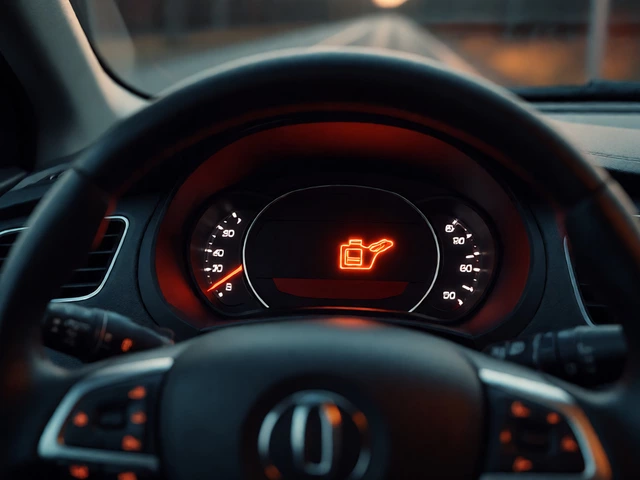
You’re driving down the motorway, minding your own business, when suddenly that little orange oil can symbol pops up on your dashboard. Or maybe you just hear a strange ticking noise coming from under the bonnet. Your heart sinks. You know something’s wrong with the engine oil, but do you actually know what happens when it runs low? Is it a minor inconvenience or a death sentence for your car?
Here’s the blunt truth: running an engine without enough oil is like trying to run a marathon in flip-flops on hot tarmac. It might work for a few steps, but eventually, things are going to hurt, break, and cost you a fortune. In this guide, we’ll walk through exactly what goes wrong inside your engine when oil levels drop, how to spot the danger signs before it’s too late, and what you need to do immediately to save your ride.
The Quick Takeaway: What You Need to Know Now
- Immediate Risk: Low oil causes friction, heat, and metal-on-metal contact within minutes.
- Warning Signs: Look for the oil pressure light, unusual knocking sounds, and rising temperature gauges.
- Long-Term Damage: Ignoring low oil leads to seized engines, warped components, and total failure.
- Action Plan: Stop driving if the light stays on. Check the dipstick. Top up if safe, or call a tow truck if the engine is making noise.
Why Engine Oil Matters More Than You Think
To understand why low oil is bad, you have to understand what oil actually does. It’s not just a slippery liquid; it’s the lifeblood of your internal combustion engine. The internal combustion engine is a complex machine where hundreds of metal parts move at high speeds against each other. Without lubrication, these parts would grind themselves to dust almost instantly.
Engine oil has three main jobs. First, it reduces friction between moving parts like pistons, crankshafts, and camshafts. Second, it cools the engine by carrying heat away from critical areas where coolant can’t reach. Third, it cleans the engine by suspending dirt and debris until they get caught in the oil filter.
When the oil level drops below the minimum mark on the dipstick, the oil pump starts sucking in air along with the remaining oil. This creates air pockets, which compress differently than liquid. Suddenly, the hydraulic lifters lose their cushioning, and the bearings don’t get the film of oil they need to float on. That’s when the real trouble begins.
Stage 1: The Early Warning Signs
Before your engine completely quits, it will usually try to tell you something is wrong. These early signs are your chance to fix the problem cheaply.
The most obvious indicator is the oil pressure warning light. On most modern cars, this looks like an old-fashioned oil can with a drip coming out of it. If this light flashes while you’re driving, it means the oil pressure has dropped below the safe threshold set by the manufacturer (usually around 5-10 PSI).
You might also notice a change in sound. A healthy engine hums. An engine running low on oil often develops a distinct tapping or ticking noise, especially when cold. This is usually caused by hydraulic lifters collapsing because they aren’t pressurized by oil. As the engine warms up, the noise might quieten down slightly as the oil thins out, but don’t be fooled-the damage is still happening.
Another subtle sign is higher fuel consumption. With increased friction inside the engine, the motor has to work harder to produce the same amount of power. You might find yourself visiting the petrol station more often, even though your driving habits haven’t changed.
Stage 2: The Escalation - Heat and Friction
If you ignore those first warnings and keep driving, the situation deteriorates rapidly. Friction generates heat. Lots of it. And since one of the oil’s primary roles is cooling, losing oil means losing that thermal buffer.
Your temperature gauge will start climbing. At first, you might think it’s just a faulty sensor, but if the needle pushes into the red zone, believe it. The metal components inside the engine expand when heated. Pistons swell, cylinders deform, and clearances become non-existent.
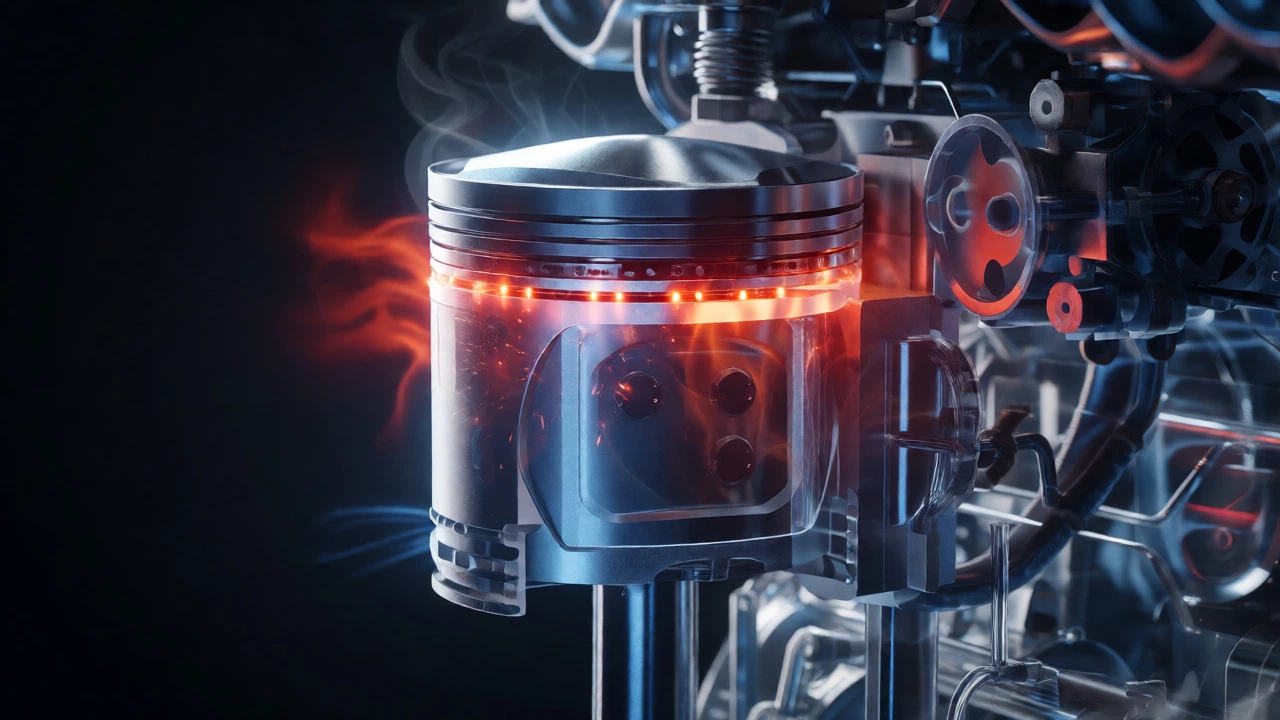
This is where the concept of "metal-on-metal" contact becomes terrifyingly real. Without that microscopic layer of oil separating surfaces, steel touches steel. Imagine rubbing two pieces of sandpaper together at 3,000 RPM. That’s essentially what’s happening to your crankshaft bearings. The resulting wear produces metal shavings, which then circulate through the remaining oil, acting like abrasive paste that scratches everything else.
Stage 3: Catastrophic Failure - Seizing and Blowing Up
If you push past the overheating stage, you enter the danger zone where repair bills jump from hundreds to thousands of pounds. The most common catastrophic outcome is a seized engine. This happens when the pistons overheat so much that they weld themselves to the cylinder walls due to extreme pressure and lack of lubrication.
Once an engine seizes, the crankshaft stops turning. The car jerks to a halt, often accompanied by a loud bang or clunk. Trying to restart it might result in nothing but a click from the starter motor. There is no fixing this on the roadside. It requires a full engine replacement or a complete rebuild, which costs significantly more than simply topping up oil ever did.
Another severe consequence is a blown head gasket. The excessive heat warps the cylinder head, causing it to lose its seal against the engine block. Coolant leaks into the cylinders, mixing with oil to create a mayonnaise-like sludge under the oil cap. Once this happens, you’re looking at extensive machining and part replacements.
Comparing the Stages of Oil Depletion
It helps to visualize the progression of damage. Here is a breakdown of what happens at each stage of oil loss.
| Stage | Symptoms | Internal Process | Estimated Repair Cost |
|---|---|---|---|
| 1. Low Level | Dipstick below min line; no lights yet. | Oil pump may suck air intermittently; slight increase in friction. | £0 - £20 (Top-up) |
| 2. Warning Light | Oil pressure light on; possible ticking noise. | Lifters collapse; bearings starved of oil; heat rising. | £50 - £200 (Check & Top-up) |
| 3. Overheating | Temp gauge rising; steam/smell; performance drops. | Metal expansion; increased wear; potential gasket stress. | £200 - £800 (Gaskets/Cooling) |
| 4. Seizure/Failure | Engine stops; loud noises; won't restart. | Pistons welded to cylinders; bearings destroyed; shafts bent. | £1,500+ (Rebuild/Replace) |
Common Causes of Low Oil Levels
So, why is your oil disappearing? It’s rarely magic. In older cars, worn piston rings allow oil to slip past into the combustion chamber, where it gets burned off. You’ll see blue smoke coming from the exhaust pipe during acceleration. This is known as "burning oil."
In newer vehicles, external leaks are more common. Gaskets harden over time, seals degrade, and drain plugs can loosen after an oil change. Check under your car for dark puddles. Also, inspect the area around the valve cover and oil pan. Even a slow leak can drop your levels significantly over a few months.
Don’t forget about evaporation. In extremely hot climates or under heavy towing loads, some synthetic oils can evaporate faster than expected. While manufacturers account for this, aggressive driving styles accelerate the process. Always check your owner’s manual for the acceptable oil consumption rate-some BMWs and Subarus are notorious for using a bit of oil between services.
What To Do If You Catch It Early
If you see the oil light come on, stay calm. Pull over safely as soon as possible. Turn off the engine and let it cool for at least 15 minutes. This allows the oil to settle back into the sump so you can get an accurate reading.
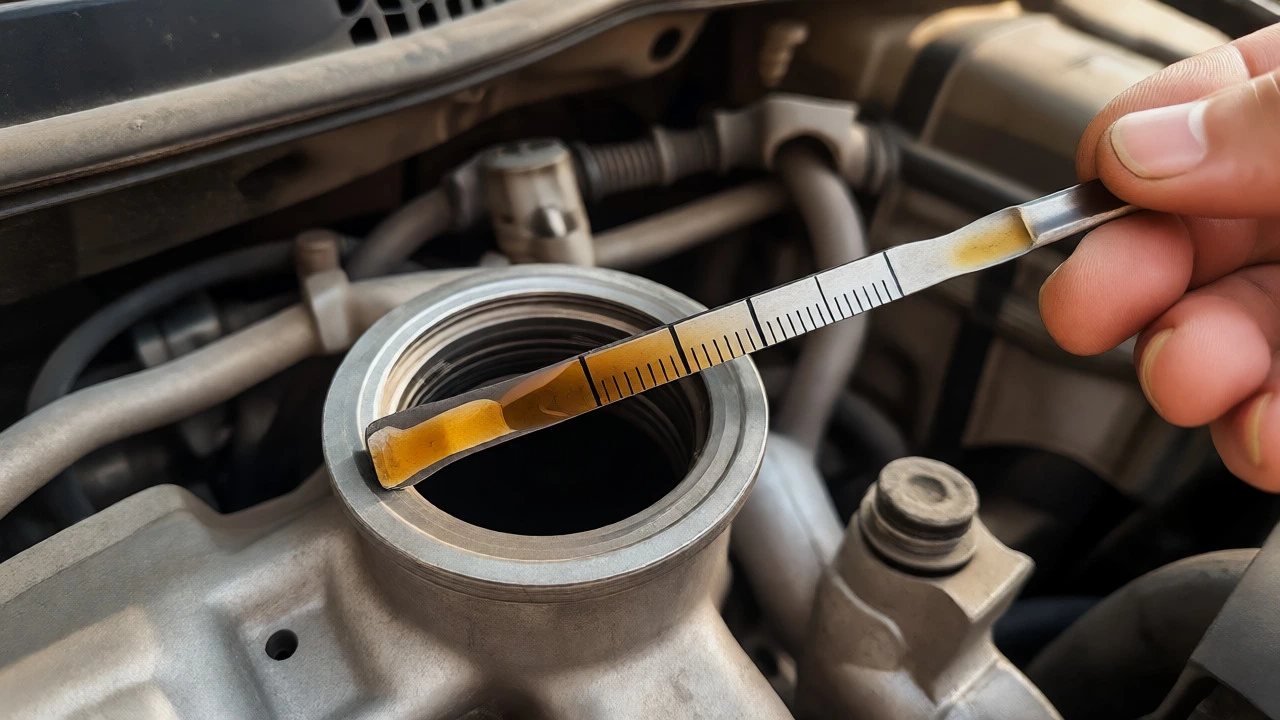
Open the bonnet and locate the dipstick. Wipe it clean, reinsert it fully, then pull it out again. If the oil level is below the "Min" mark, you need to add oil. Use the correct grade specified in your handbook (e.g., 5W-30 or 0W-20). Pour it slowly into the filler cap on top of the engine. Do not overfill! Adding too much oil can cause foaming, which reduces lubrication efficiency and can blow out seals.
If you don’t have spare oil with you, and the light is flashing, do not drive further. Call for assistance. Driving even a mile with zero oil pressure can turn a £20 top-up job into a £2,000 engine replacement.
Prevention: How to Avoid Low Oil Scenarios
The best way to handle low oil is to prevent it from happening. Make checking your oil a habit. Don’t wait for the service appointment. Once a month, when the engine is cold, pull the dipstick and look at the level.
Stick to your service schedule. Modern cars often say "oil change every 10,000 miles," but if you drive short trips, tow trailers, or sit in traffic frequently, consider changing it every 5,000 miles. Old oil loses its additives and becomes acidic, corroding engine internals.
Use quality filters. A cheap oil filter might clog quickly, forcing oil to bypass the filter via a relief valve. This sends dirty oil straight to your bearings, accelerating wear and potentially leading to pressure drops that mimic low-level issues.
Frequently Asked Questions
Can I drive with the oil light on?
Generally, no. If the oil pressure light is solid or flashing, stop immediately. Driving with low oil pressure risks immediate engine seizure. Only drive a very short distance to a safe parking spot if necessary, and only if the light is steady and the engine isn't making noise.
How long can an engine run without oil?
Very briefly. Depending on the engine design and load, you might have anywhere from 15 seconds to 15 minutes before catastrophic failure occurs. High-performance engines fail faster than small economy cars. Never test this limit deliberately.
Is it bad to mix different types of engine oil?
In an emergency, yes, you can mix them. Most modern mineral and synthetic oils are compatible. However, it’s best to stick to the same brand and viscosity grade for consistent protection. If you must mix, plan to do a full oil change soon.
Why does my oil level drop but there are no leaks?
Your engine is likely burning oil. This is often due to worn piston rings or valve stem seals allowing oil to enter the combustion chamber. Look for blue smoke from the exhaust. Some engines, particularly turbocharged ones, consume small amounts of oil naturally.
Does low oil affect transmission?
Not directly. Engine oil and transmission fluid are separate systems. However, if the engine seizes, it can put immense strain on the drivetrain, potentially damaging the clutch or torque converter. But the transmission itself won't fail just because the engine oil is low.
Final Thoughts: Keep Your Eyes Open
Low engine oil is one of the easiest problems to detect and the hardest to forgive if ignored. It doesn’t require expensive diagnostic tools to spot-just a glance at a dipstick or a dashboard warning light. By staying proactive and respecting the basics of vehicle maintenance, you keep your engine happy, your wallet intact, and your journey smooth.