Car Battery Cost & Type Estimator (UK 2026)
Not sure what to pay? Select your vehicle details below to get a realistic price range and technology recommendation for August 2026.
Your Recommendation
Estimated Total Cost:
£0 - £0
- ✓ Battery Only:
- ℹ Labor/Service:
- ⚠ Warranty Tip:
Select your options and click "Get Price Estimate" to see results.
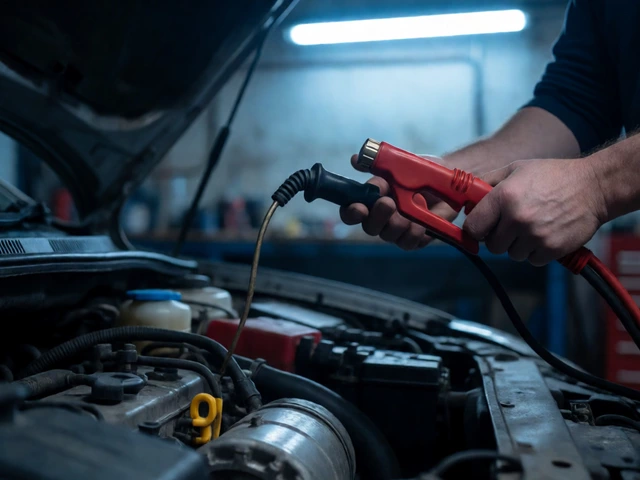
You’re standing in the garage, jumper cables dangling from your hands, staring at a dead car battery. It’s August 2026, and you just want to know one thing: what is this going to cost me? If you’ve ever Googled "how much should I pay for a car battery," you know the answer is frustratingly vague. Some sites say £50. Others say £300. Why the massive gap? Because not all batteries are created equal, and where you buy it matters almost as much as what you buy.
Here is the hard truth: paying too little usually means buying trouble. Paying too much often means you’re subsidizing someone else’s marketing budget. The sweet spot exists, but you need to know how to find it. Whether you drive a basic hatchback or a modern SUV with stop-start technology, understanding the pricing tiers will save you hundreds of pounds over the life of your vehicle.
The Price Tiers: What Are You Actually Buying?
Battery prices aren't random; they correlate directly with technology and capacity. When you look at quotes, you are essentially choosing between three main categories of power storage. Knowing which one your car needs prevents you from overspending on features you don’t use or underspending on tech that fails prematurely.
| Battery Type | Typical Price Range | Best For | Lifespan Expectancy |
|---|---|---|---|
| Lead-Acid | £40 - £80 | Older cars without start-stop systems | 3-5 years |
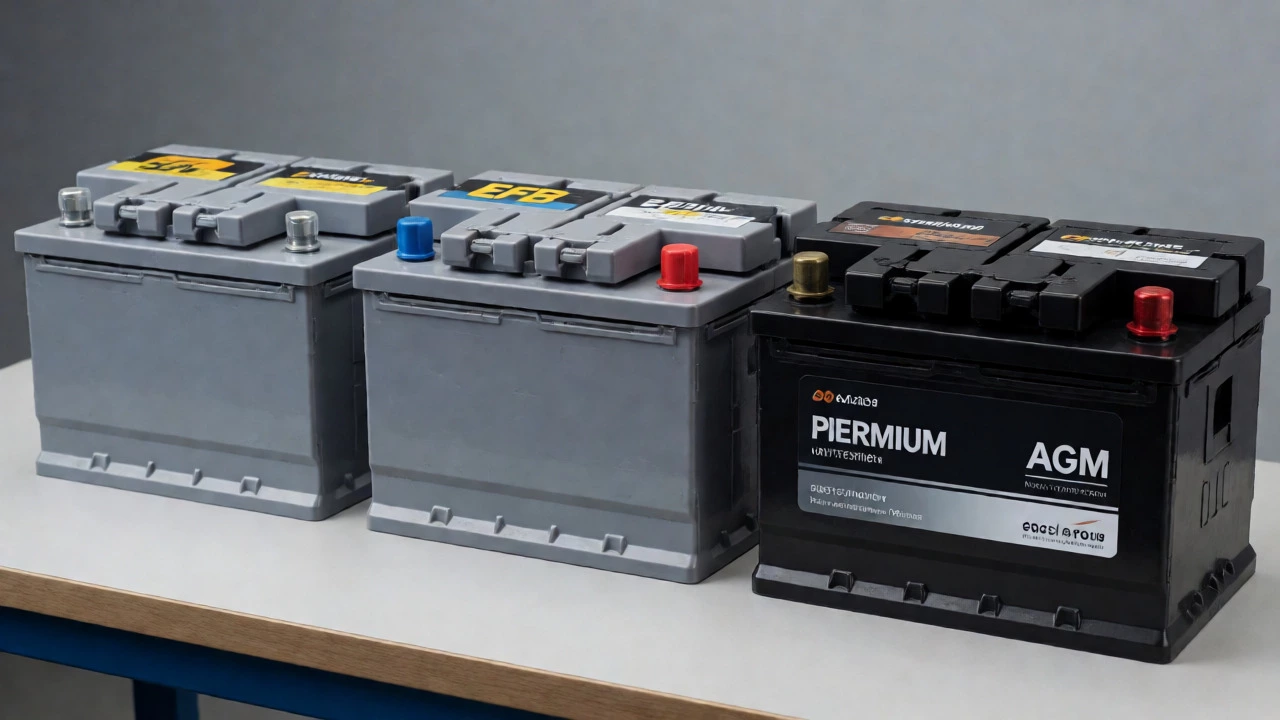
| Enhanced Flooded Battery (EFB) | £70 - £120 | Cars with basic start-stop functionality | 4-6 years |
| Absorbent Glass Mat (AGM) | £120 - £250+ | Luxury vehicles, heavy electronics load | 5-8 years |
If you drive an older model like a pre-2010 Ford Focus or a basic Vauxhall Corsa, you likely only need standard lead-acid technology. These are flooded cells-liquid electrolyte sloshing around inside plates. They are cheap to manufacture and easy to recycle. But if your dashboard has a green 'A' light indicating automatic engine shut-off when you idle, do not put a cheap lead-acid battery in there. It will fail within six months because it cannot handle the rapid recharge cycles required by the alternator during short trips.
For most modern family cars, EFB is the standard requirement. It reinforces the plates to handle the stress of frequent starting and stopping. Then there is AGM, the premium option. In AGM batteries, the acid is absorbed into fiberglass mats, making them spill-proof and significantly more resistant to vibration and deep discharge. If you have a BMW, Audi, or Mercedes with complex infotainment and safety systems, skipping AGM is a false economy.
DIY vs. Professional Installation: The Hidden Costs
Once you pick the right tech, the next variable is labor. This is where the price disparity gets weird. A quick search might show a battery for £65 online. Add installation, and suddenly it’s £140. Is the mechanic ripping you off? Not necessarily.
If you are handy with tools, swapping a battery yourself takes about 15 minutes. You need a socket set (usually 10mm or 13mm) and maybe a wrench. However, modern cars are tricky. Many manufacturers place batteries in the boot, under the spare wheel well, or even behind the front bumper. Removing these panels requires specific clips and sometimes torque specifications. If you crack a plastic clip or strip a bolt, you’ve added £20-£50 to your repair bill before you’ve even started the engine.
Furthermore, some vehicles require battery registration. This is a software reset performed via OBDII diagnostic tools that tells the car's computer a new battery is installed. Without this, the charging system may continue to charge the new battery as if it were old, leading to premature failure. Independent garages typically charge £30-£50 for fitting and registration. Dealerships might charge £80+. While DIY saves money upfront, the risk of improper registration or physical damage makes professional fitting worth the extra cash for anyone uncomfortable working around sensitive electronics.
Brand Names vs. Store Brands: Do You Pay for the Logo?
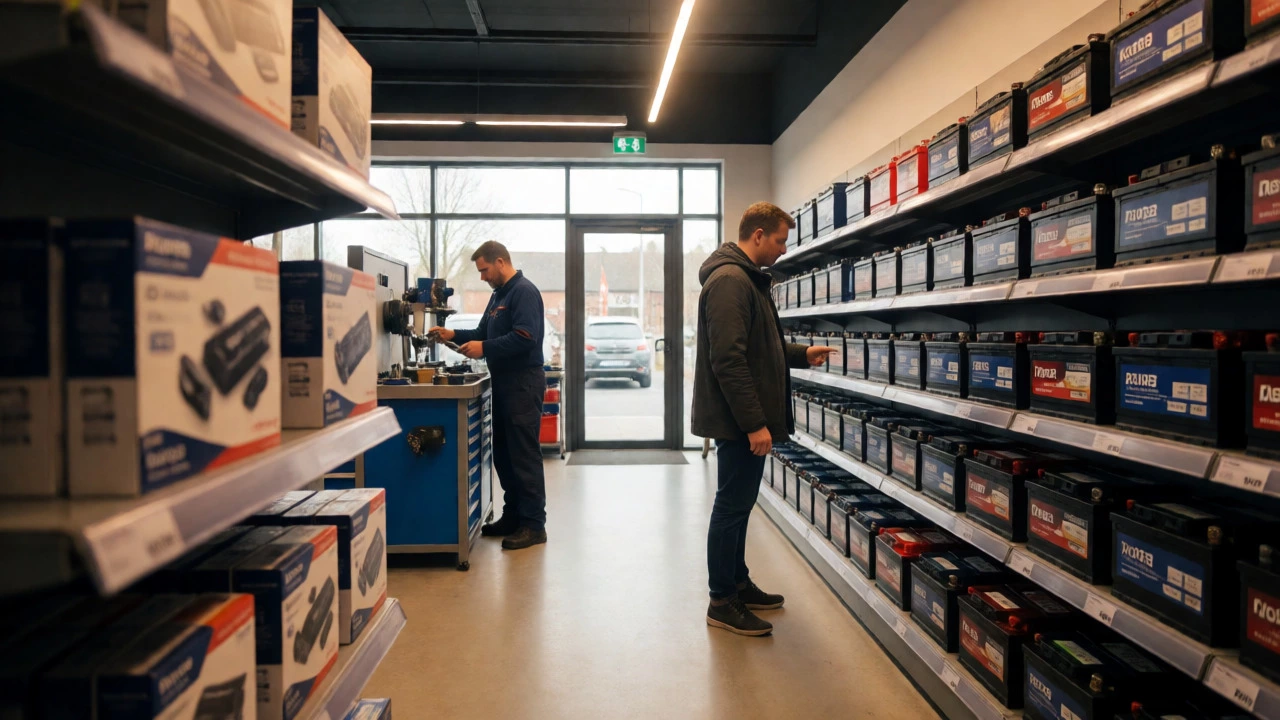
Walk into any auto parts store in Manchester, and you’ll see shelves lined with brands like Bosch, Varta, Exide, and Halfords own-brand options. Does the name on the casing matter? To some extent, yes, but not always in the way you think.
Premium brands like Varta or Bosch generally offer higher cold-cranking amps (CCA) ratings relative to their size. CCA measures how many amps a battery can deliver at -18°C for 30 seconds while maintaining voltage. In the UK winters, this metric is crucial. A cheaper generic battery might claim 500 CCA, but real-world testing often shows it drops below 450 after two years. Premium brands tend to maintain closer to their rated specs for longer.
However, store brands are not scams. Often, they are manufactured by the same factories that produce the big names, just with different labeling and slightly lower quality control thresholds. If you drive a low-mileage city car that spends most of its time parked, a mid-tier store brand is perfectly adequate. You are paying for durability you won’t use. But if you commute daily through rain and cold, the extra £20-£30 for a reputable brand buys you reliability insurance.
Warranties: Your Best Financial Safety Net
Never ignore the warranty terms. This is the single best indicator of value. Most decent batteries come with a 3-year free replacement warranty. Premium models offer 4 or 5 years. Here is how it works: if your battery fails in year two, you get a new one for free. If it fails in year four of a five-year warranty, you usually pay a pro-rated amount based on the age.
Why does this matter for pricing? A £90 battery with a 5-year warranty is often a better deal than a £60 battery with a 2-year warranty. Over five years, the £60 battery might need replacing twice, costing you £120 plus two labor fees. The £90 battery likely lasts the whole period. Always keep your receipt. Without proof of purchase date, retailers will default to the manufacturing date, which could shorten your effective warranty window by several months.
Where to Buy: Retailers, Breakers, and Online Markets
Your location changes the equation. Major chains like Halfords or Kwik Fit offer convenience and immediate fitting. You walk in, they test your old battery, install the new one, and dispose of the old one. The price includes this service. Online retailers like Amazon or specialized auto-parts sites often list lower sticker prices, but remember to factor in shipping costs (batteries are heavy) and disposal fees if you don’t return the old core.
What about used batteries from breakers? Generally, avoid them unless it’s an emergency. A second-hand battery might have only 50% of its life left, and you have no warranty protection. It’s a gamble. For a reliable daily driver, stick to new units. If you are looking to save money, check local independent garages rather than main dealerships. They often source the same OEM parts but charge less for labor. Also, ask if they have "core charges" waived if you provide your old battery immediately-some shops charge £10-£15 if you leave without handing over the old unit.
Signs You Need a Replacement Now
Don’t wait until the car refuses to start. Batteries give warnings. If your headlights dim when you rev the engine, or if the radio flickers when you turn on the AC, your battery is struggling. Slow cranking-the engine sounds like it’s dragging through mud-is the classic sign. Another subtle clue: needing to press the clutch harder than usual to start manual cars (due to electrical resistance). If you experience these symptoms, getting a load test done is wise. Most auto shops do this for free. It measures voltage under load, giving a true picture of health beyond just surface charge.
Can I use a smaller battery if my car originally had a larger one?
Generally, no. Using a battery with lower Cold Cranking Amps (CCA) or capacity (Ah) than specified by the manufacturer can strain your starter motor and charging system. While a physically smaller battery might fit in the tray, it may not provide enough power to start the engine reliably in cold weather or support electronic loads. Stick to the group size and spec recommended in your owner’s manual.
How long do car batteries last in the UK climate?
In the UK, expect 3 to 5 years for standard lead-acid batteries and 4 to 7 years for AGM batteries. The damp, cold conditions accelerate corrosion on terminals and reduce chemical efficiency compared to warmer climates. Frequent short journeys also prevent the battery from fully recharging, shortening its lifespan regardless of type.
Is it worth buying a battery with a higher CCA rating?
Yes, provided it fits the physical space. A higher CCA rating means the battery can deliver more current instantly, which helps in extreme cold and supports additional accessories like heated seats or sound systems. It does not harm the car’s electrical system because the alternator only draws the current needed. Think of it as having a larger reservoir of power available when you need it.
Do I need to register a new battery?
Many modern European cars (BMW, Mercedes, Audi, VW) require battery registration via a diagnostic tool. This informs the car’s Energy Management System that a new battery is present, allowing it to optimize charging profiles. Failure to register can result in overcharging or undercharging, reducing the new battery’s life. Check your vehicle manual or consult a specialist installer.
What is the difference between EFB and AGM batteries?
EFB (Enhanced Flooded Battery) is an upgraded version of traditional lead-acid, designed for entry-level start-stop systems. AGM (Absorbent Glass Mat) uses glass mats to hold the electrolyte, offering superior vibration resistance, faster recharge rates, and deeper cycle capability. AGM is mandatory for cars with regenerative braking or high electrical loads. You can replace an EFB with an AGM, but never replace an AGM with an EFB or standard lead-acid.