Suspension Health Diagnostic Tool
Select the symptoms you are experiencing with your vehicle to receive a diagnostic assessment and recommended next steps.
Noise & Feel
Handling & Control
Tire Inspection
Visual & Age Checks
Diagnostic Result
--Potential Causes Identified:
Recommended Next Steps:
Note: This tool is for informational purposes only. Always consult a certified mechanic for a physical inspection before making repair decisions.
You’re driving down a familiar road, maybe that bumpy stretch near the canal or just your usual commute, and something feels... off. The steering wanders a bit too much on the motorway, or you hear a clunk every time you hit a pothole. It’s easy to ignore these things until they become expensive problems. But how do you actually know when your suspension is done for versus just needing a minor tweak?
Your suspension isn’t just about comfort; it’s the critical link between your tyres and the road. When it fails, you lose control, braking distance increases, and your tyres wear out unevenly. This guide walks you through the specific signs that mean your parts are failing, simple tests you can do in your driveway, and what to expect when it’s finally time to swap them out.
The Core Jobs: Why Suspension Health Matters
Before we look at the symptoms, let’s clarify what your suspension system actually does. It consists of several key components working together to keep the vehicle stable. If one part fails, the whole system suffers.
| Component | Primary Function | Common Failure Sign |
|---|---|---|
| Shock Absorbers | Dampens spring oscillation | Bouncing after bumps, fluid leaks |
| Springs | Supports vehicle weight | Sagging ride height, cracking |
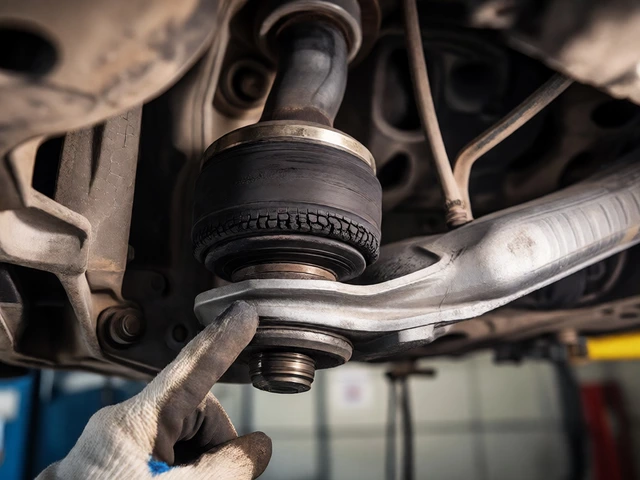
| Control Arms | Connects chassis to wheels | Clunking noises, loose steering |
| Bushings | Absorbs vibration/shock | Vibration in steering wheel |
| Ball Joints | Pivot point for steering | Knocking over bumps, tire wear |
Understanding these roles helps you pinpoint exactly which part might be causing your headache. For instance, if your car bounces like a boat, it’s likely the shocks. If it knocks when turning, check the ball joints.
Listen and Feel: The First Indicators
Your car talks to you. You just have to listen. The most obvious sign of worn suspension is unusual noise. A sharp clunk when going over speed bumps often points to worn-out bushings or loose control arms. If you hear a squeaking sound, especially when the car is cold, it could be dry rubber bushings or lack of lubrication in the strut mounts.
But don’t rely solely on ears. Pay attention to how the car handles. Do you feel excessive body roll when taking corners? In a healthy system, the car stays relatively flat. If you feel like you’re leaning into a turn more than usual, your anti-roll bars or shocks may be losing their effectiveness. Another red flag is "nose-diving" when you brake hard. If the front end dips significantly, your front struts aren’t doing their job.
Steering response is another major clue. If the steering feels vague or requires constant small corrections to stay straight on a flat road, your alignment might be off due to worn suspension components. This isn’t just annoying; it’s dangerous because it delays your reaction time in emergencies.
The Bounce Test: A Simple DIY Check
You don’t need a garage lift to spot bad shocks. There’s a classic trick called the bounce test. Park your car on a flat surface. Go to one corner of the vehicle and push down firmly on the bumper or fender. Release it quickly. Watch how the car settles.
A healthy suspension will rebound once and settle immediately. If the car continues to bounce up and down two, three, or four times, your shock absorbers are shot. They’ve lost their ability to dampen the spring’s energy. Repeat this on all four corners. If one side bounces more than the others, you’ve isolated the problem area.
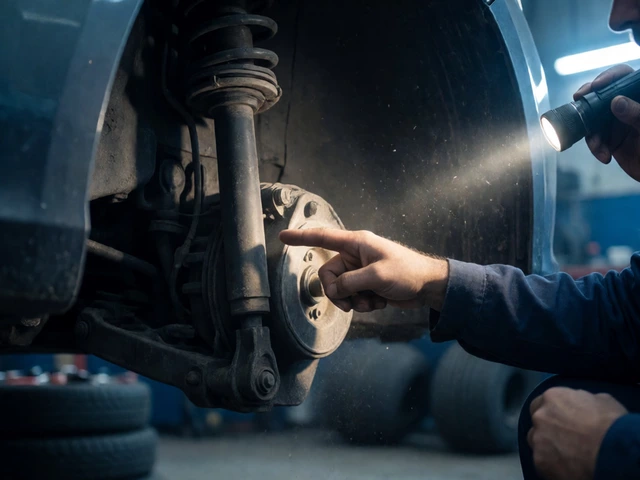
While you’re there, look under the car. Grab a flashlight. Look at the shock absorber bodies. Are they wet with oil? Small amounts of dust are normal, but heavy wetness indicates a seal failure. Once the seal breaks, the gas or hydraulic fluid escapes, and the shock stops working effectively. Replace them in pairs (both fronts or both rears) to maintain balance.

Tire Wear Patterns: The Silent Storyteller
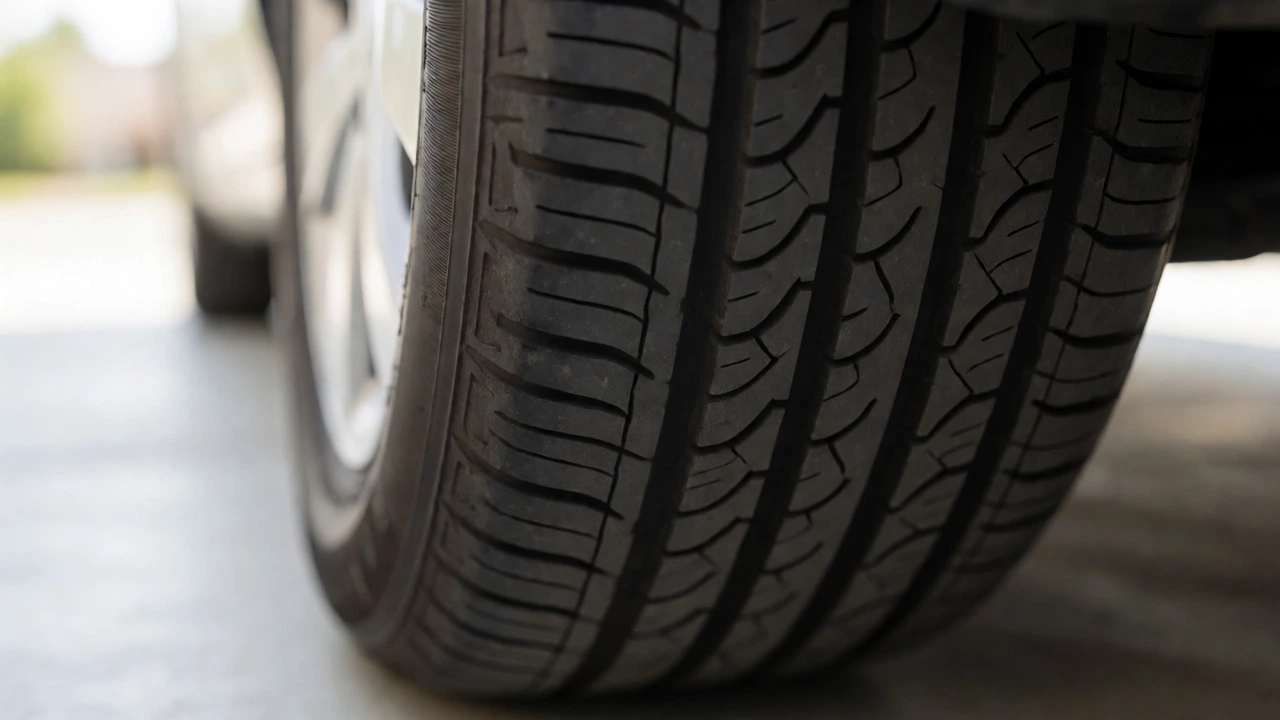
Your tyres are the only contact point with the road, so they record every flaw in your suspension. Inspect the tread closely. Uneven wear is a huge indicator.
- Cupping: If you see scalloped depressions across the tread, known as cupping, your shocks are likely worn. The tyre is bouncing against the road instead of staying planted.
- Feathering: Smooth edges on one side of the tread block and sharp edges on the other suggest alignment issues caused by worn suspension geometry.
- Inner/Outer Edge Wear: Excessive wear on the inner edge often points to negative camber issues stemming from sagging springs or bent control arms.
If you find yourself replacing tyres every year or two without changing your driving habits, suspect the suspension. New tyres on old shocks will wear out prematurely, wasting money.
When to Replace vs. Repair
Not every noise means a full replacement. Sometimes, tightening a bolt or replacing a single bushing solves the issue. However, modern cars often use complex assemblies where individual parts aren’t sold separately. For example, many manufacturers sell complete strut assemblies rather than just the shock insert.
Consider the age and mileage. Most factory-installed shocks last between 50,000 and 100,000 miles, depending on road conditions. Manchester’s mix of smooth motorways and rougher urban streets can accelerate wear. If your car has over 80,000 miles and shows any of the symptoms above, it’s usually better to replace the entire set of shocks and struts rather than trying to patch individual components.
Also, consider the cost-benefit ratio. Labor costs for suspension work can be high because mechanics need to compress springs and align the wheels afterward. Doing a partial repair now and facing another labor bill in six months is less efficient than doing it all at once.
Impact on Safety and Resale Value
Ignoring suspension issues affects more than just comfort. Worn shocks increase stopping distances. Tests have shown that on wet roads, worn shocks can add several meters to your braking distance compared to new ones. That extra space is often the difference between a close call and an accident.
From a resale perspective, a well-maintained suspension adds value. Buyers notice a car that drives smoothly and doesn’t knock over bumps. If you plan to sell within the next year, investing in fresh shocks and struts can make the car feel newer and justify a higher asking price.
Next Steps: What to Do Now
If you’ve identified multiple symptoms-noise, poor handling, uneven tyre wear-it’s time to act. Here’s a quick checklist:
- Visual Inspection: Check for fluid leaks on shocks and cracks in rubber boots.
- Performance Test: Perform the bounce test on all four corners.
- Tyre Review: Look for cupping or feathering patterns.
- Professional Alignment: Even if you replace parts, get a 4-wheel alignment to ensure proper geometry.
Don’t wait for a catastrophic failure. A broken spring or collapsed shock can damage other components like the wheel bearing or CV joint, turning a £300 job into a £600 one.
Can I drive with bad suspension?
Yes, but cautiously. Bad suspension reduces control and increases braking distance. Avoid high speeds and rough roads. If you hear loud knocking or feel significant instability, stop driving and seek immediate repair to prevent further damage to tyres and bearings.
How long do suspension parts last?
Typically, shocks and struts last 50,000 to 100,000 miles. Springs can last longer, often 100,000+ miles, unless they break. Bushings and ball joints vary widely based on road quality and driving style, often needing replacement around the 60,000-mile mark in city driving.
Is it cheaper to replace shocks or struts?
Strut replacements are generally more expensive due to complexity and the need for alignment. Shock absorbers are simpler and cheaper to replace. However, if your car uses MacPherson struts, the entire assembly is replaced, which includes the spring and mount, increasing part costs.
Do worn suspension parts affect fuel economy?
Indirectly, yes. Poor suspension leads to improper wheel alignment and increased rolling resistance from uneven tyre wear. This forces the engine to work harder, slightly reducing fuel efficiency. Correcting suspension issues restores optimal alignment and saves fuel over time.
Should I replace suspension parts in pairs?
Always replace shocks or struts in axle pairs (both front or both rear). Replacing only one side causes uneven damping, leading to unpredictable handling, faster wear on the new part, and potential safety hazards during braking or cornering.