Wiper Blade Comparison: Find the Best Windshield Wipers for Your Car
When it comes to clear visibility in rain, snow, or dust, your wiper blades, rubber strips that sweep water off your windshield. Also known as windshield wipers, they’re one of the most overlooked safety parts in your car. A bad set doesn’t just blur your view—it can turn a short drive into a dangerous gamble. Unlike brake pads or spark plugs, wiper blades don’t trigger warning lights, so you only notice they’re failing when you’re stuck in a downpour and can’t see the road.
There are three main types you’ll find on the market: conventional blades, the older beam-style with a metal frame, beam blades, a sleek, frameless design that presses evenly across the glass, and hybrid blades, a mix of both, offering frame support with a streamlined shape. Each has trade-offs in durability, noise, and performance in extreme weather. Beam blades handle snow better because they don’t trap ice like framed ones. Conventional blades are cheaper but wear out faster and can chatter at high speeds. Hybrid blades strike a balance, which is why they’re becoming the go-to for UK drivers dealing with unpredictable rain and occasional frost.
Size matters more than you think. Your car’s manual lists the exact length for driver and passenger side, but many people grab the wrong size because it "looks close enough." A blade that’s too short leaves streaks. One that’s too long can bend or hit the car’s body. And don’t assume both sides are the same—many modern cars use different sizes. Always check before buying. Also, consider the mounting system: hook, pin, or straight bar. It’s not universal. If you buy the wrong connector, you’ll waste time and money returning it.
Climate affects performance too. If you live in the north where winters are harsh, winter blades with a rubber boot to keep ice out are worth the extra cost. For coastal areas with salty air, stainless steel frames or corrosion-resistant coatings last longer. Even the rubber compound matters—some blades harden in cold, others smear in heat. Brands like Bosch, Michelin, and Rain-X all make solid options, but real-world performance often comes down to fit and material, not just the logo.
You don’t need to spend £50 on wiper blades. But spending £8 on a cheap pair that smears and skips every time you hit the switch? That’s false economy. The right blade gives you confidence in bad weather. It’s not about luxury—it’s about control. And control means safety.
Below, you’ll find real comparisons from drivers who’ve tested different blades in actual UK conditions. No theory. No ads. Just what works, what doesn’t, and why.
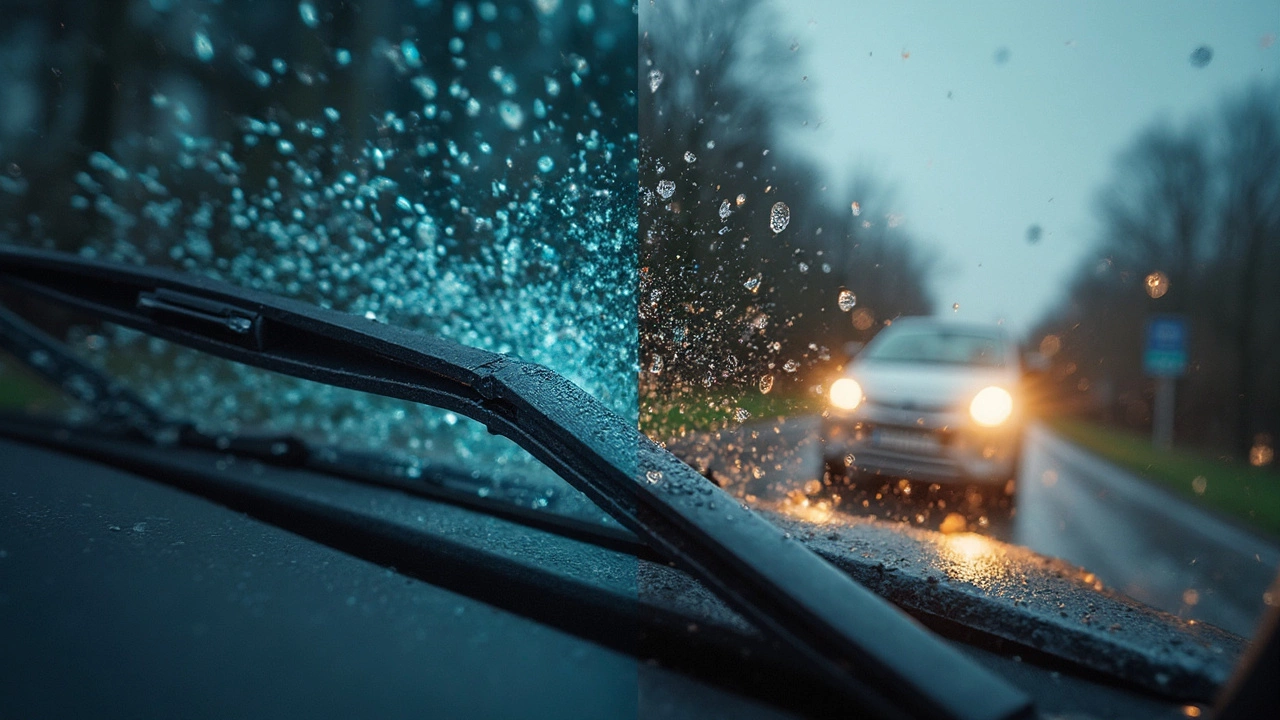
Are Silicone Wiper Blades Better For Your Car?
Silicone wiper blades have been creating buzz among car owners, but are they truly superior to traditional rubber ones? This article delves into the world of windscreen wipers, comparing silicone and rubber blades in terms of performance, longevity, and cost. Whether you're a car enthusiast or just looking for something that lasts through the rainy season, we've got the info you need. Plus, learn some handy tips on maintaining your wipers for better performance. Understanding your options can lead to smarter, more reliable choices for your vehicle.
February 7 2025