Stage 3 Clutch: What It Is, Who Needs It, and What to Watch For
When you hear stage 3 clutch, a high-performance clutch system designed for modified engines and track use. Also known as race clutch, it's not just a stronger version of your stock part—it's a complete upgrade built to handle way more torque than a normal car ever produces. Most people buy one because they’ve added a turbo, swapped the engine, or tuned their car for more power. But here’s the catch: a stage 3 clutch doesn’t make your car faster. It just lets your car handle the extra power without slipping or burning out.
If you’re running a clutch kit, a bundled set of components including the pressure plate, disc, and release bearing, you’re not just replacing one part. You’re changing how your whole drivetrain behaves. A stage 3 clutch uses a much harder friction material—like ceramic or sintered metal—that grips harder but also grabs suddenly. That means your pedal feel gets stiffer, your engagement point gets sharper, and your daily commute turns into a chore. You’ll hear clunks when you shift. You’ll feel jerks at low speeds. And if you don’t also replace the flywheel, the heavy rotating part that connects the engine to the clutch, you’ll risk damaging it. A stock flywheel can’t handle the stress of a stage 3 clutch. It cracks. It warps. And then you’re paying twice as much to fix it.
People often think upgrading the clutch is enough. But if you’ve gone this far, you need to think about the whole chain. The pressure plate needs to match the clutch disc. The release bearing has to handle higher loads. Even the hydraulic lines can fail under sudden engagement. That’s why most guides—like the ones in this collection—list every part you should replace at the same time. You don’t want to pull the transmission twice.
And here’s something most shops won’t tell you: a stage 3 clutch isn’t for everyone. If your car makes less than 400 horsepower, or you drive in traffic every day, you’re better off with a stage 2 or even a heavy-duty stock replacement. The extra grip doesn’t help you get to work faster. It just makes your foot tired and your wallet lighter.
What you’ll find below are real-world guides from people who’ve been there—what they replaced, what went wrong, and what they’d do differently. No theory. No marketing fluff. Just the facts on clutch life, what parts actually need upgrading, and how to avoid the costly mistakes most first-time buyers make.
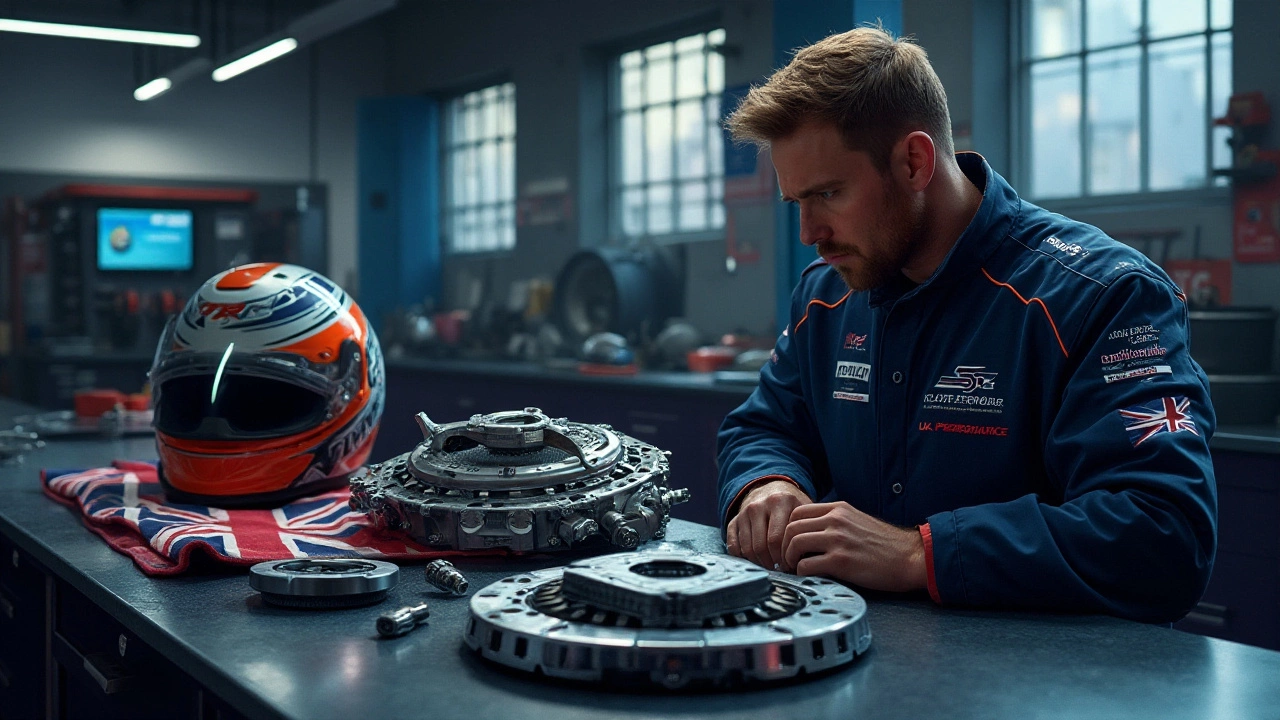
Understanding Stage 3 Clutch Systems and Their Benefits
Stage 3 clutches are designed for high-performance vehicles and applications that require increased power handling capabilities. These clutch kits are a step up from standard offerings, providing stronger pressure plates and friction materials. They are an ideal choice for enthusiasts looking to push their vehicles to the limit. In this article, we explore what makes stage 3 clutches distinct, who can benefit from them, and the factors to consider when upgrading your clutch system.
February 1 2025