Radiator Repair Duration: How Long Does It Really Take?
When your radiator, the core component that keeps your engine from overheating by circulating coolant. Also known as engine cooler, it plays a critical role in your car’s survival on the road. starts leaking or overheating, the big question isn’t just what’s wrong—it’s how long will it take to fix? Most radiator repairs, whether it’s a simple leak seal or a full replacement, take between 2 and 8 hours. But that number changes fast depending on what’s broken, where it’s broken, and who’s doing the work.
The cooling system, the network of hoses, pumps, thermostats, and fans that work with the radiator to regulate engine temperature. is rarely just about the radiator itself. A cracked hose, a failing water pump, or a clogged thermostat can look like radiator trouble—but they need different fixes. If you’re only replacing the radiator, a skilled mechanic can usually get it done in under 4 hours. But if the radiator is damaged because the water pump failed first, or if the engine overheated and warped the cylinder head, you’re looking at a full diagnostic and possibly days of repairs. That’s why a quick fix isn’t always possible. You can’t just swap the radiator and walk away—you need to check the entire system to avoid repeating the same problem in a month.
Some repairs are faster than others. A small leak at a seam or fitting? That might take an hour to clean, seal, and test. But if the radiator core is cracked or corroded, replacement is the only safe option. And replacing a radiator isn’t like changing a tire. You have to drain coolant, disconnect electrical fans, remove air conditioning lines (if they’re in the way), and sometimes even take off the grille or bumper. In some modern cars, especially European or high-end models, the radiator is buried behind other components. That adds hours. And if you’re doing it yourself, expect to spend a full weekend—especially if you’re new to car work. Most people don’t realize how much coolant can spill, how hard it is to bleed air out of the system, or how easily you can damage the thermostat housing if you’re not careful.
Don’t forget the engine temperature, the real indicator of whether your cooling system is working—or failing. A radiator repair isn’t just about fixing a part. It’s about restoring balance. If your engine ran hot for too long before the repair, you might have hidden damage. That’s why reputable shops won’t just replace the radiator and call it done. They’ll run a pressure test, check for head gasket leaks, inspect the coolant for oil contamination, and make sure the fan clutch or electric fan kicks in at the right temperature. Skipping those steps is how you end up with a new radiator… and a dead engine two weeks later.
What you’ll find in the posts below are real stories from UK drivers who’ve been there: how long it took to fix their radiator after a hose burst, why a "quick fix" turned into a full replacement, and what parts they didn’t know they needed until the mechanic showed them. You’ll see how driving habits, climate, and even the type of coolant you use affect radiator life. Whether you’re dealing with a slow drip or a steam cloud on the motorway, the guides here cut through the noise and give you straight answers—no fluff, no upsells, just what actually happens when your radiator fails.
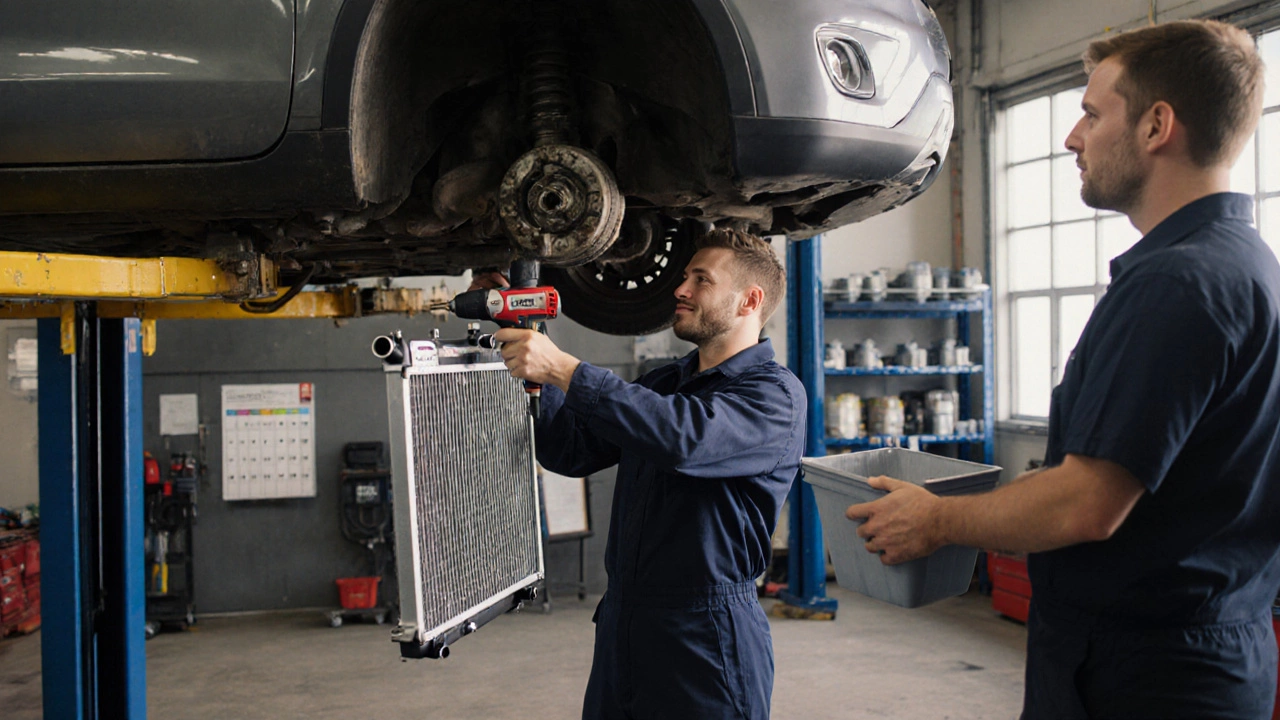
Radiator Replacement Time: How Many Days Does It Really Take?
Learn the typical calendar days for a radiator swap, factors that affect timing, DIY vs. professional estimates, and a step‑by‑step guide to avoid delays.
October 7 2025