Radiator Prices: What You Should Pay and What to Watch For
When your car starts overheating, the last thing you want is a surprise bill. The radiator, a key part of your car’s cooling system that pulls heat away from the engine. Also known as a cooling radiator, it’s not just a metal box—it’s the reason your engine doesn’t turn into scrap metal on the highway. Most radiators last 8 to 12 years, but if you’ve got a leak, rust, or clogged tubes, it’s not a matter of if—it’s when you’ll need a replacement.
Radiator prices vary wildly depending on your car’s make, model, and whether you go with an OEM part or an aftermarket one. For a common family sedan, expect to pay between £150 and £350 for the part alone. Luxury or older models can push that to £500 or more. Labor adds another £100 to £250, depending on how hard it is to reach. But here’s what no one tells you: cooling system repair, the full process of fixing or replacing the radiator and related components often means checking more than just the radiator. Hoses, thermostats, water pumps, and even the coolant itself might need replacing at the same time. Skip those and you’re just delaying the next breakdown.
And don’t fall for the myth that all radiators are created equal. A cheap radiator might save you £100 upfront, but if it’s made with thinner metal or inferior fittings, it could fail in six months. Look for ones with aluminum cores and plastic tanks—those are standard now and handle heat better than old brass-and-copper designs. Also, check if the part includes the mounting brackets and filler neck. Some budget options leave those out, forcing you to buy them separately.
What really drives up the cost? car radiator replacement, the process of removing the old radiator and installing a new one, often requiring coolant drainage and system flushing on newer cars with tight engine bays. Some models require removing the bumper, air conditioning lines, or even the front suspension components just to get to the radiator. That’s where labor spikes. If your car’s over 10 years old, ask if the mechanic will inspect the radiator hoses and thermostat while they’re in there. Those parts wear out at the same rate—and replacing them now saves you from a second trip.
There’s one more thing: don’t ignore the signs. If your car overheats after a short drive, if you see green or orange puddles under it, or if the coolant looks rusty or gritty, your radiator is on its way out. Waiting until it blows completely can cost you a head gasket—or worse, a whole engine. A £200 radiator fix today beats a £2,000 engine rebuild tomorrow.
Below, you’ll find real-world guides on spotting radiator failure, understanding how long they last, and what to check before you pay for a replacement. No fluff. Just what actually matters when your cooling system is on the edge.
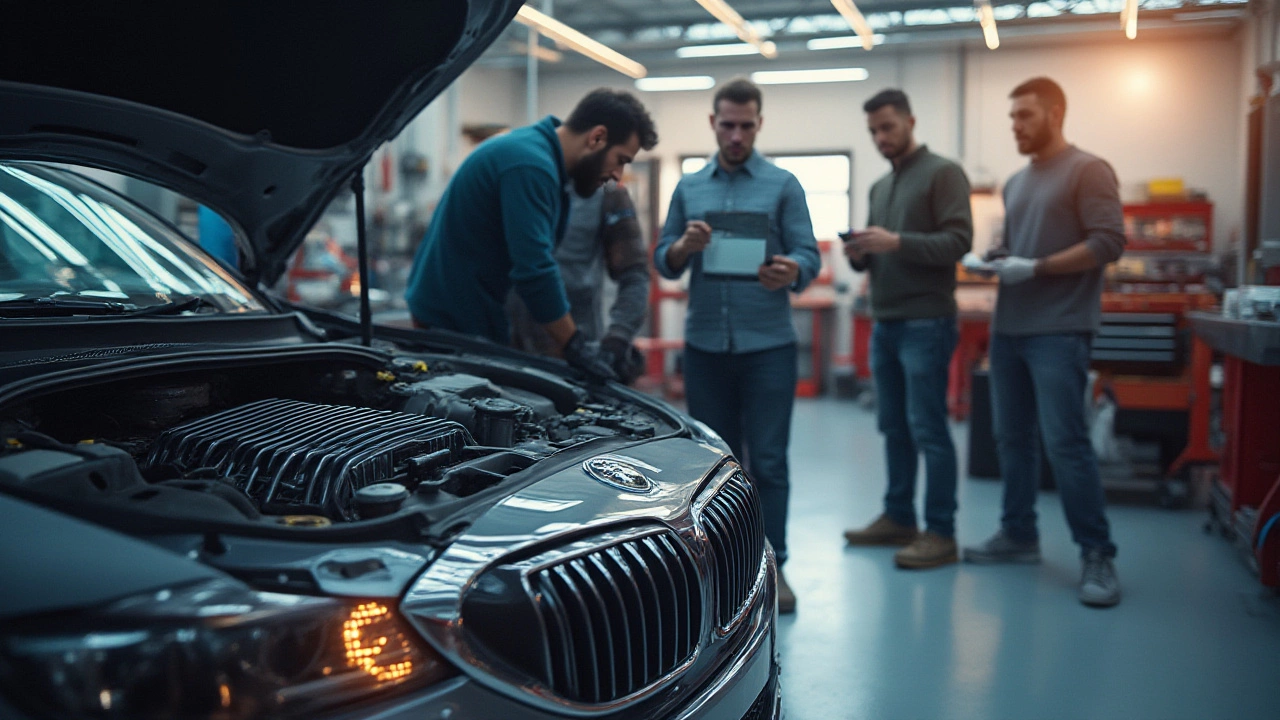
Car Radiator Replacement Cost: Price Breakdown & Buying Tips for 2025
Curious about car radiator costs? This guide breaks down radiator prices in 2025, what affects them, and shares smart replacement and maintenance tips for car owners.
July 17 2025