Radiator Issues: Signs, Causes, and How to Fix Them Before It’s Too Late
When your car starts running hot, it’s rarely just a coincidence—it’s usually a radiator issue, a failing component in your engine’s cooling system that transfers heat away from the engine to prevent overheating. Also known as a cooling system radiator, it’s one of the most overlooked parts in your car, until it breaks—and then you’re stranded with a destroyed engine. Most people don’t think about their radiator until the temperature gauge hits red. But by then, it’s often too late. Radiator problems don’t always scream for attention. Sometimes they whisper: a faint coolant smell, a puddle under your car, or a slight drop in performance. These aren’t normal. They’re warnings.
Coolant leaks, the most common sign of radiator failure, happen when corrosion, physical damage, or worn hoses let fluid escape. You might see green, orange, or pink fluid under your car after parking. That’s not oil. That’s your engine’s lifeblood leaking out. Overheating, when the engine temperature rises beyond safe limits due to poor heat dissipation. isn’t just annoying—it cracks engine blocks, melts pistons, and turns a $300 radiator repair into a $3,000 engine rebuild. And it’s not just old cars. Even modern vehicles with aluminum radiators and electric fans can fail if you ignore routine checks. Radiator maintenance, simple tasks like flushing coolant and inspecting hoses every 2 years. can double your radiator’s life. Most last 8 to 12 years, but if you skip checks, they can die in half that time.
What you’ll find below isn’t theory. It’s what real drivers in the UK have seen—radiator signs they ignored, the mistakes they made, and the fixes that saved them money. From spotting a cracked tank before it bursts, to knowing when a simple flush beats a full replacement, these posts give you the exact steps to take. No jargon. No fluff. Just what works.
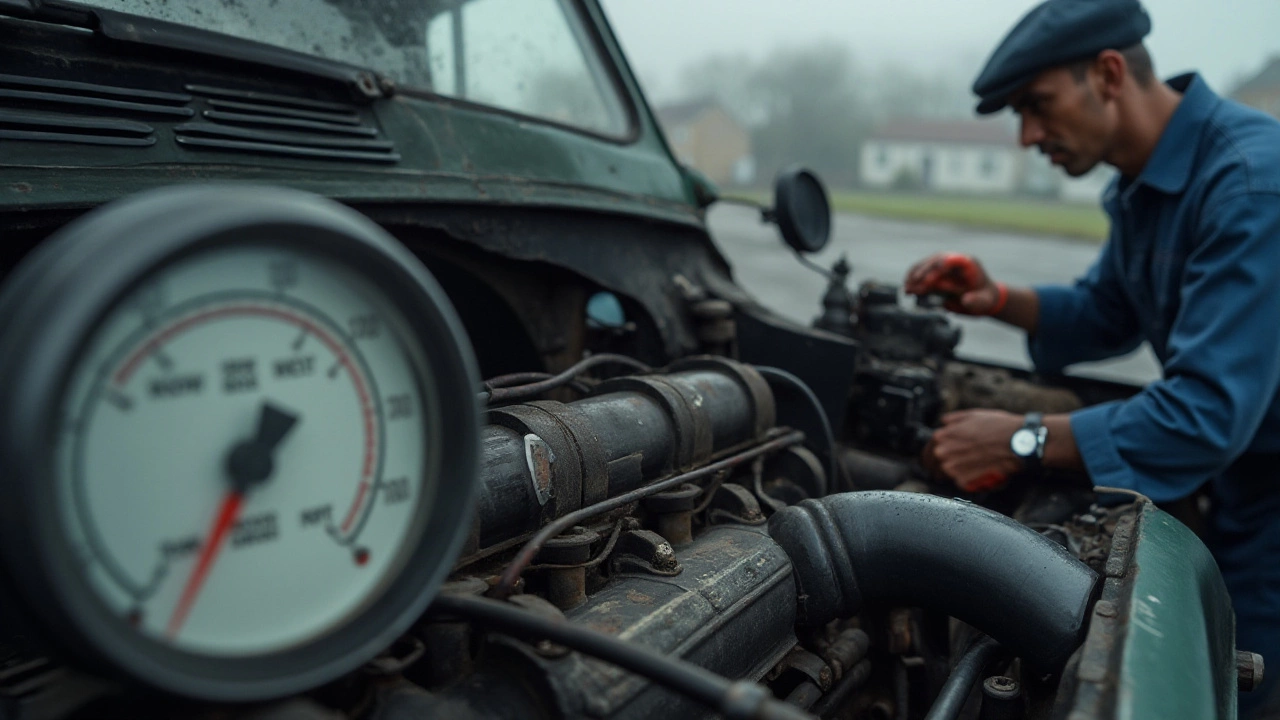
Early Signs of a Blown Head Gasket: What Car Owners Need to Know
A blown head gasket can lead to substantial engine troubles. Recognizing the early signs can save you from costly repairs. Look for unusual engine temperatures, white smoke, and coolant leaks. Understanding these signs helps in timely diagnosis and repair, ensuring your vehicle runs smoothly.
January 16 2025