High Mileage Engines: What You Need to Know Before It's Too Late
When we talk about high mileage engines, an engine that has logged over 150,000 miles and is still functioning. Also known as long-lasting powertrains, these engines aren't just relics—they're proof that proper care makes a real difference. Most cars today are built to last, but high mileage engines don't survive on luck. They survive because someone paid attention to the small things: oil changes, coolant levels, and catching early signs of wear before they turned into breakdowns.
What makes a high mileage engine different isn't just the number on the odometer—it's what happened behind the scenes. A well-maintained engine with 200,000 miles can outperform a neglected one with 80,000. That’s because engine wear, the gradual loss of performance due to friction, heat, and time builds slowly. Piston rings thin out. Valve seals dry up. Bearings get loose. These aren't sudden failures—they're slow leaks in performance. And if you ignore them, you're not just risking a rough idle—you're risking a total engine failure that costs thousands to fix.
One of the biggest factors in engine longevity is oil change interval, how often you replace engine oil to prevent sludge and maintain lubrication. Going past 5,000 miles between changes doesn’t just mean dirty oil—it means your engine is running with less protection than it needs. Old oil turns to sludge, clogs passages, and stops flowing where it’s supposed to. That’s why engines with consistent oil changes often hit 250,000 miles without a hiccup, while others give out at 120,000. It’s not magic. It’s routine.
And it’s not just oil. Coolant leaks, air filter clogs, and worn spark plugs all add up. A radiator that’s half-full or a clogged air filter doesn’t just hurt fuel economy—it forces the engine to work harder, speeding up wear. Even something as simple as using the wrong oil type can shorten an engine’s life by years. That’s why knowing how to check your radiator, test your suspension, and spot bad spark plugs isn’t just helpful—it’s essential for keeping a high mileage engine alive.
What you’ll find below isn’t theory. It’s real-world advice from people who’ve seen what happens when engines are ignored—and what works when they’re cared for. From how long a clutch lasts on a high-mileage car to whether you really need new rotors after 150,000 miles, every post here is built around what actually matters to the driver who wants to keep their car running, not replace it. You won’t find fluff. Just clear, no-nonsense fixes and checks that help you stretch your engine’s life without spending a fortune.
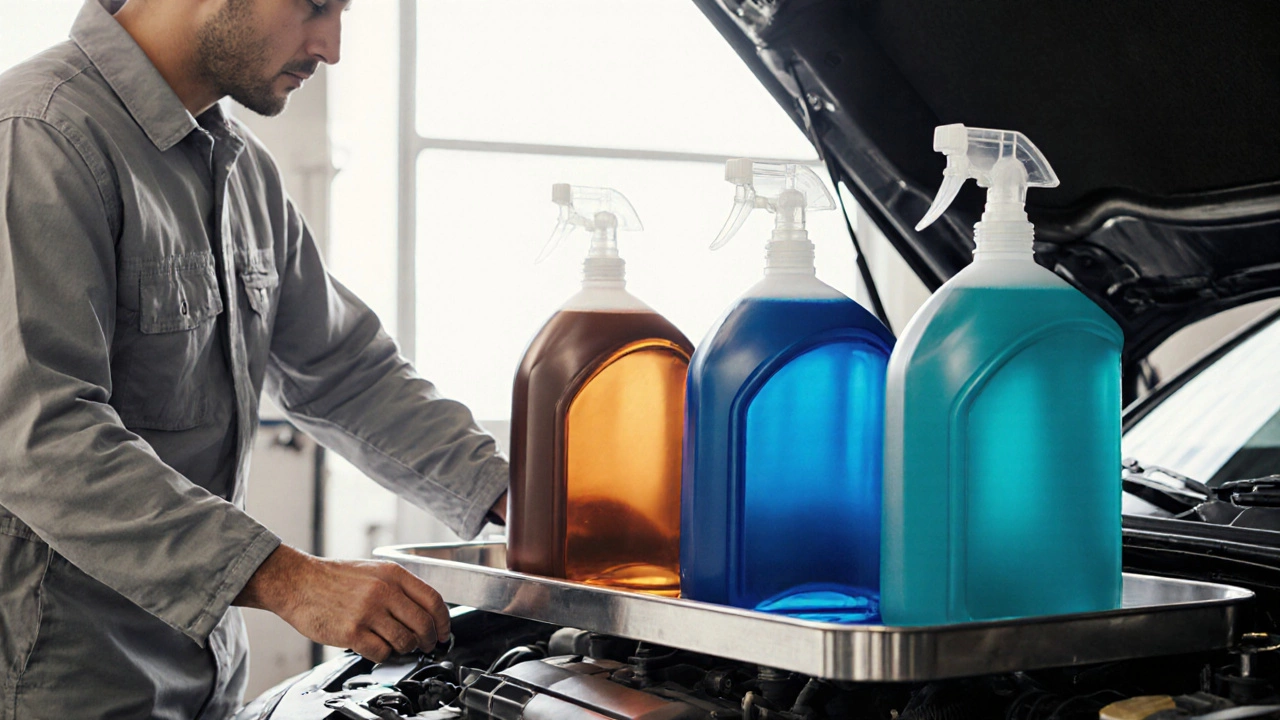
When to Avoid Using Full Synthetic Engine Oil
Discover when full synthetic oil isn't the best choice for your engine. Learn about high‑mileage cars, diesel specs, climate, warranty issues, and more.
October 21 2025