Fuel Pump Noise: What It Means and How to Fix It
When you hear a fuel pump noise, a loud whining, buzzing, or grinding sound coming from the rear of your car near the fuel tank. Also known as fuel system whine, it’s often the first warning your fuel pump is failing. Unlike a squeaky brake or rattling exhaust, this isn’t something you can ignore. Your fuel pump keeps your engine fed with gasoline, and when it starts to fail, your car doesn’t just lose power—it might not start at all.
Fuel pump noise usually means one of three things: the pump is worn out, the fuel level is too low, or debris is clogging the system. Most fuel pumps last between 100,000 and 150,000 miles, but running your tank near empty every day cuts that lifespan in half. When the fuel level drops, the pump runs hotter and starts to wear faster. That buzzing you hear? That’s the motor straining. If you’ve been ignoring low-fuel warnings, that noise is your car begging you to refill before it’s too late.
Other related issues often show up alongside fuel pump noise. A fuel pump replacement, the process of removing and installing a new fuel delivery unit inside the gas tank. Also known as fuel sender unit replacement, it’s not always a simple fix can cost between £300 and £800 in the UK, depending on your car. But replacing the pump without checking the fuel filter, a small component that catches dirt and rust before they reach the pump and injectors. Also known as fuel strainer, it’s critical to system health is like putting a new engine in a car with dirty oil—you’re setting yourself up for another failure. Many mechanics will replace the filter at the same time, even if it looks okay. And don’t forget the fuel pressure regulator, a device that maintains consistent fuel flow to the engine. Also known as fuel rail pressure valve, it helps prevent surging and stalling. If it’s faulty, you might hear the same noise as a bad pump, even if the pump is fine.
Some drivers mistake fuel pump noise for a bad fuel injector or a loose gas cap. But those sounds are different. Injector clicks are sharp and rhythmic, usually heard under the hood. A loose cap gives you a check engine light, not a whine. Fuel pump noise is constant, gets louder under acceleration, and comes from the back seat or trunk area. If you’ve got that sound, especially if your car hesitates when you step on the gas or struggles to start after sitting overnight, you’re not imagining it. This is a real problem.
What you’ll find in the posts below are real-world guides from UK drivers and mechanics who’ve dealt with this exact issue. You’ll see how to diagnose the noise without expensive tools, what to check before you buy a new pump, and which models are most prone to early failure. No fluff. No guesswork. Just clear, practical steps to get your car running right again—before you’re stuck on the side of the road.
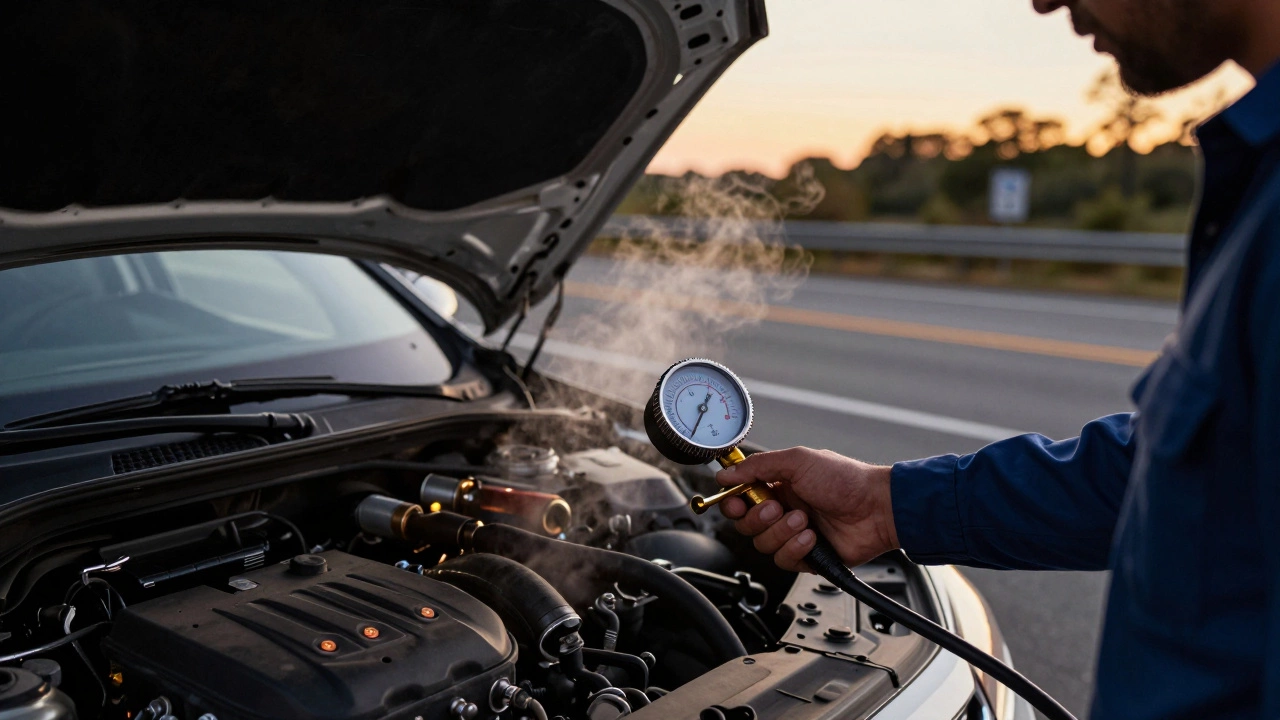
What Are Symptoms of a Fuel Pump Going Out?
Learn the key signs of a failing fuel pump-engine stalling, loss of power, whining noises, and more. Catch these symptoms early to avoid being stranded and prevent costly damage to your engine.
December 1 2025