Fuel Pump Failure: Signs, Causes, and What to Do Before You're Stranded
When your fuel pump failure, a breakdown in the system that delivers gasoline from the tank to the engine. Also known as fuel delivery failure, it’s one of the most sudden and frustrating car problems you can face—especially when it happens on the highway. Unlike a flat tire or a dead battery, a failing fuel pump rarely gives you a heads-up. One minute you’re cruising, the next your engine sputters and dies. And if you ignore the quiet warning signs, you could end up with a damaged engine, a tow bill, and a much more expensive repair.
Most fuel pumps last between 100,000 and 150,000 miles, but that’s only if you keep your tank from running dry. Running low on fuel overheats the pump because gasoline acts as both fuel and coolant. When the pump runs hot for too long, the motor wears out faster. You’ll start hearing a high-pitched whine from the back of the car—right where the fuel tank is. That’s not normal. That’s your pump screaming for help. Other signs include the car struggling to start, especially when it’s hot, losing power going uphill, or stalling at idle. These aren’t just "weird noises"—they’re clear signals your fuel pump, the electric component that pushes fuel under pressure to the engine is on its last legs.
And it’s not just the pump itself. Often, the problem starts with dirty fuel. Old gas, bad filters, or water in the tank can clog the pump’s intake screen. That forces the pump to work harder, leading to early wear. That’s why replacing your fuel filter, a small but critical part that traps debris before it reaches the pump every 30,000 to 50,000 miles matters. It’s cheap insurance. If you’ve been ignoring that maintenance, you’re not just risking a pump failure—you’re risking a full fuel system cleanup that costs three times as much.
Some drivers think a car that won’t start must be the battery or spark plugs. But if the engine cranks normally but never catches, and you’ve checked the basics, the fuel pump is the most likely culprit. A quick test? Turn the key to "on" without starting the engine. Listen near the fuel tank. You should hear a brief hum—that’s the pump priming the system. If it’s silent, the pump is dead or the relay is bad. Either way, you need to act. Waiting until you’re stranded doesn’t save money—it just makes the problem worse.
You’ll find plenty of advice online about "temporary fixes" for a failing fuel pump—like tapping the tank or adding fuel injector cleaner. Don’t believe them. These tricks might work once, but they’re not solutions. They’re delays. The real fix is replacing the pump before it leaves you stranded in the rain, at night, or on a busy road. And when you do replace it, make sure you’re using a quality part. Cheap pumps fail faster, and some don’t even meet UK fuel system standards. Stick to OEM-spec or trusted aftermarket brands.
Below, you’ll find real-world guides from drivers and mechanics who’ve dealt with this exact problem. They’ve walked through the symptoms, tested the pump, swapped it out, and shared what actually worked. No theory. No guesswork. Just what you need to know to diagnose it, fix it, and avoid the next one.
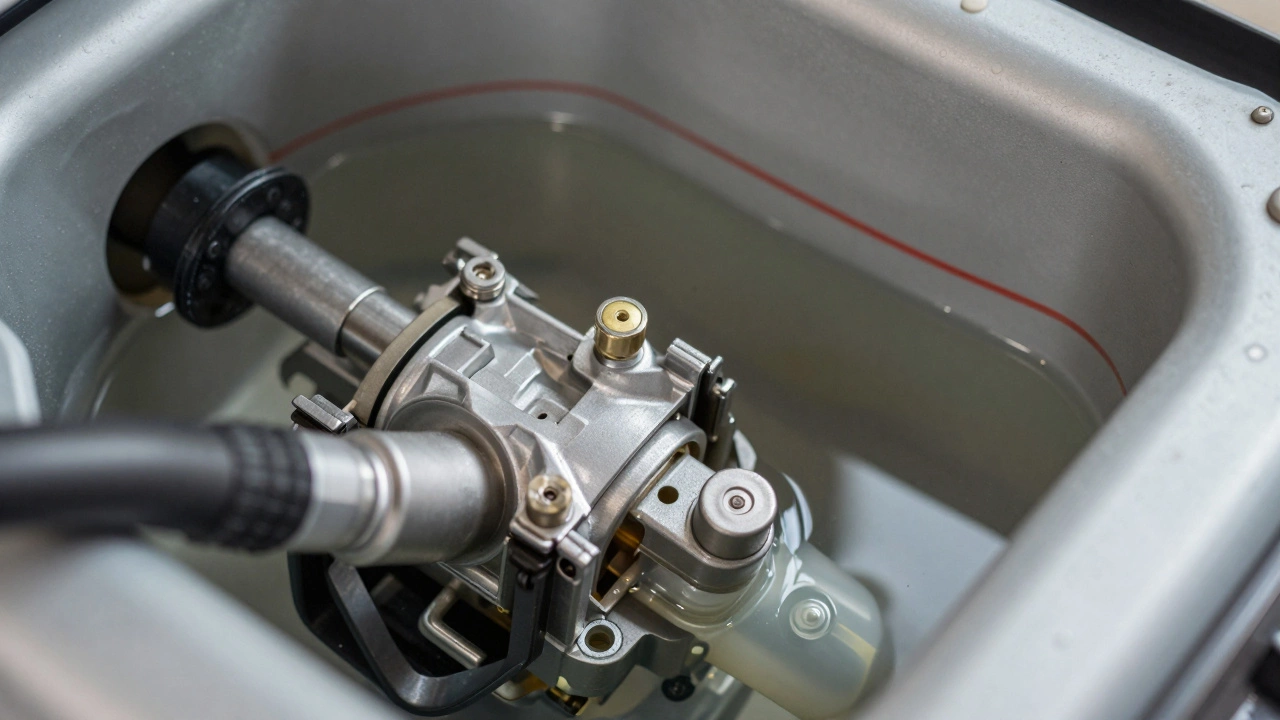
What Burns Up Fuel Pumps? Common Causes and How to Prevent Them
Fuel pumps fail from running on empty, dirty fuel, bad filters, electrical issues, or old gas. Learn how to prevent burnout and extend your pump’s life with simple habits.
March 5 2026
Can a Fuel Pump Fail Suddenly While Driving? What You Need to Know
A fuel pump can fail suddenly while driving with no warning, leaving you stranded. Learn the signs, risks, and simple steps to prevent this dangerous failure before it happens.
December 7 2025