EV Cooling System: What You Need to Know About Keeping Electric Cars Cool
When you think of a car’s cooling system, you probably picture a radiator, hoses, and engine heat. But in an EV cooling system, a specialized thermal management setup designed to regulate the temperature of an electric vehicle’s battery, motor, and power electronics. Also known as battery thermal management system, it doesn’t cool an engine—it keeps the battery from overheating or freezing, which directly affects range, performance, and safety. Unlike gas cars, EVs don’t have exhaust heat to worry about, but their lithium-ion batteries are incredibly sensitive to temperature. Too hot, and the battery degrades faster. Too cold, and you lose up to 40% of your range. That’s why the EV cooling system, a closed-loop liquid system that circulates coolant through battery packs and power components is just as critical as brakes or tires.
This system isn’t just one part—it’s a network. It includes pumps, sensors, heat exchangers, and sometimes even refrigerant lines like an AC system. The battery thermal management, the core function of the EV cooling system that maintains optimal battery temperature during charging and driving can use air, liquid, or even phase-change materials. Most modern EVs use liquid cooling because it’s faster and more precise. You’ll find coolant lines running right through the battery pack, often under the floor. If that system fails, your car might limit power, refuse to charge, or even shut down completely. And unlike a radiator leak in a gas car, an EV cooling issue can cost thousands to fix because it’s tied directly to the most expensive part of the vehicle.
Most of the posts here focus on traditional car parts—brakes, radiators, spark plugs—but the same principles apply: if you ignore warning signs, you pay later. A leaking coolant line, a faulty temperature sensor, or a clogged heat exchanger won’t throw a check engine light like in a gas car. Instead, you’ll notice slower charging times, sudden drops in range on cold days, or the car refusing to fast-charge. These aren’t glitches—they’re red flags from the EV cooling system. And unlike a worn brake pad, you can’t just swap out the coolant hose yourself without specialized tools and training. That’s why understanding how it works matters. Whether you’re an EV owner, a mechanic, or just curious, knowing what keeps your electric car running smoothly helps you avoid costly repairs and make smarter decisions. Below, you’ll find real-world guides on related systems—like radiator maintenance, coolant checks, and thermal management—that give you the context you need to protect your EV’s heart: its battery.
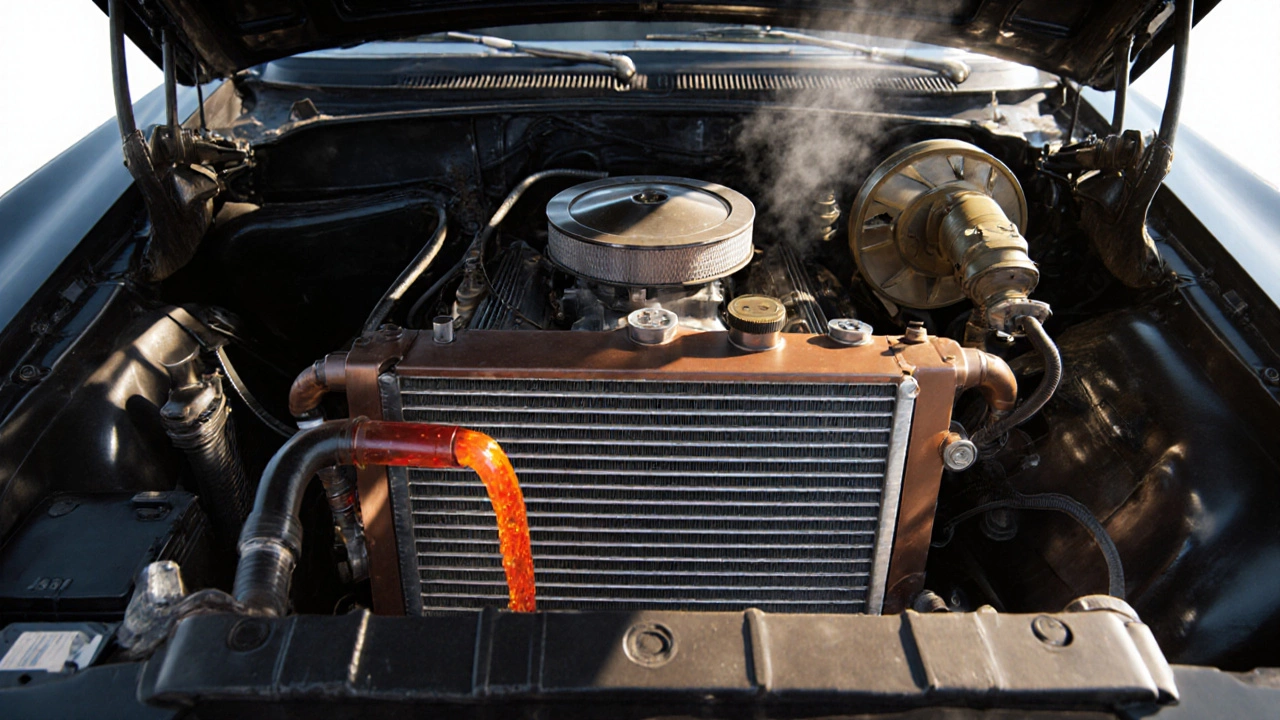
Do Modern Cars Still Use Radiators?
Explore why most cars still use radiators, how electric pumps and fans have changed cooling, and what EVs need to keep cool. Get maintenance tips and a clear comparison.
October 17 2025