Engine Oil Types: What Works for Your Car and Why It Matters
When you hear engine oil types, the different formulations of lubricants used to reduce friction and protect engine parts. Also known as motor oil, it isn’t just about filling a tank—it’s about keeping your engine alive. The wrong oil can cause sludge, overheating, or even total engine failure. The right oil? It stretches your engine’s life, saves fuel, and keeps your car running smooth through every season.
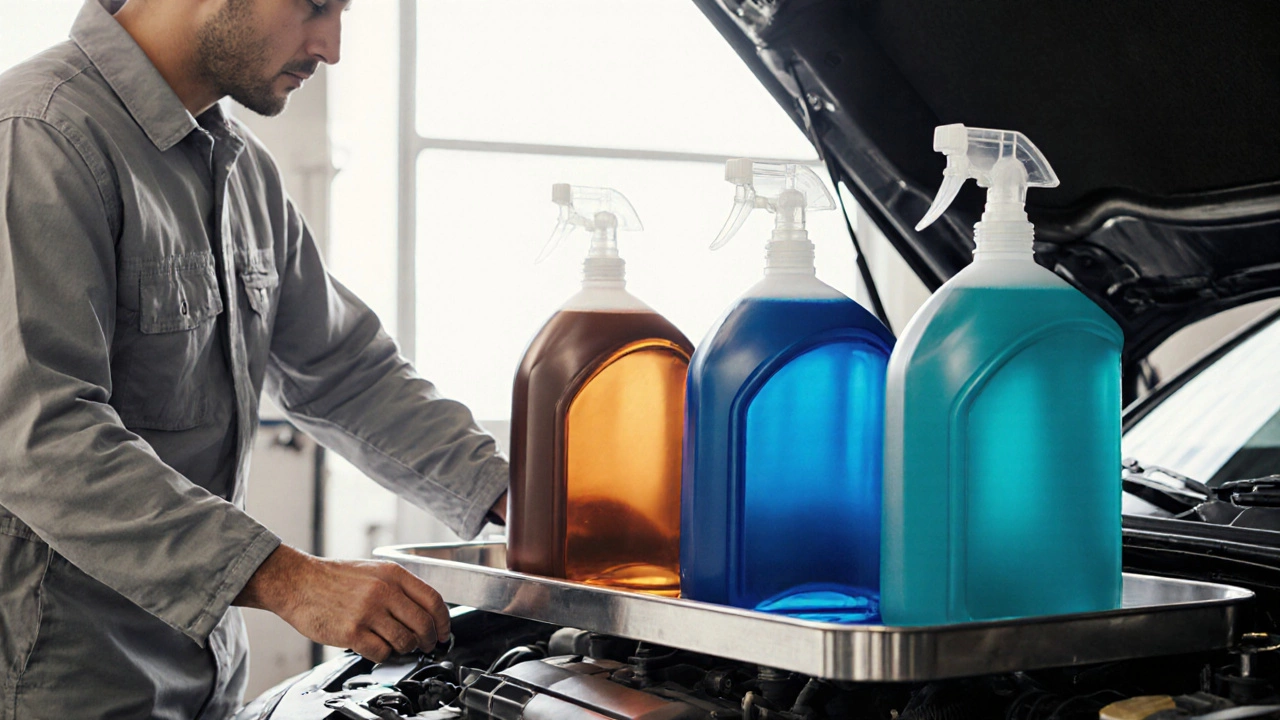
There are three main engine oil types: conventional, synthetic blend, and full synthetic. Conventional oil is the basic kind, made from refined crude. It’s cheaper but breaks down faster, especially in extreme heat or cold. Synthetic oil, a chemically engineered lubricant with uniform molecules for better performance. Also known as full synthetic motor oil, it lasts longer, flows better in freezing temps, and handles high heat without thinning out. Synthetic blend sits in the middle—some synthetic mixed with conventional. Most modern cars need synthetic. Check your owner’s manual. If it says "synthetic only," don’t gamble with conventional. Your engine won’t thank you.
Oil isn’t just about what’s in the bottle—it’s about timing. Going too long between oil changes turns even the best oil into sludge. engine oil lifespan, how long oil remains effective before it degrades. Also known as motor oil degradation, it depends on driving habits, temperature, and oil type. Synthetic oil can last 10,000 to 15,000 miles. Conventional? More like 3,000 to 5,000. But if you’re driving short trips in freezing weather, even synthetic breaks down faster. Oil doesn’t wear out from miles—it wears out from heat cycles and contamination. Every time you start your car cold, moisture builds up. If you don’t drive long enough to burn it off, it mixes with oil and turns to gunk. That’s why city drivers often need more frequent changes than highway commuters.
And don’t assume all oils are created equal just because they say "5W-30." The numbers mean viscosity—how thick or thin the oil flows at different temperatures. But the additives inside? That’s where real differences show up. Some oils have detergents to clean sludge. Others have friction modifiers to boost fuel economy. A few even have seal conditioners to stop leaks. The right mix depends on your car’s age, mileage, and engine design. Older engines with high mileage? Look for oils labeled "high mileage." They have extra additives to help seal worn components.
You’ll find posts here that cut through the noise. No fluff. No marketing buzzwords. Just real talk on what happens when you skip oil changes, why synthetic isn’t always worth the extra cost, and how to tell if your oil is still good or already dead. We’ll show you how to check oil health without a mechanic, what those dark, thick deposits really mean, and why some cars need oil changes every 6 months—even if you haven’t hit the mileage. This isn’t theory. It’s what actually happens under the hood when you ignore the signs.
When to Avoid Using Full Synthetic Engine Oil
Discover when full synthetic oil isn't the best choice for your engine. Learn about high‑mileage cars, diesel specs, climate, warranty issues, and more.
October 21 2025