Clutch Lifespan: How Long Does a Clutch Last and What Kills It?
When you press the clutch pedal, you're relying on a clutch, a mechanical component that connects and disconnects engine power from the transmission. Also known as a friction disc assembly, it's one of the most abused parts in a manual car — and most drivers have no idea how quickly it can fail.
A typical clutch lasts between 50,000 and 100,000 miles, but that number can drop to 20,000 if you ride the pedal, creep in traffic, or don’t let it fully engage. The real killer isn’t mileage — it’s how you drive. Holding the clutch halfway down at traffic lights? That’s not "being careful," it’s grinding the friction material away. Heavy towing, aggressive launches, or driving in stop-and-go cities like London or Manchester will eat through a clutch faster than you think. And here’s the catch: when the clutch goes, it often takes other parts with it. The flywheel, the heavy metal disc that connects to the engine and provides smooth power transfer can get warped or glazed from overheating. The pressure plate, the spring-loaded component that clamps the clutch disc against the flywheel might crack or lose tension. Even the release bearing, the part that pushes the clutch fingers when you press the pedal can wear out from constant use.
Most people replace their clutch only after it starts slipping — the engine revs but the car doesn’t accelerate. That’s too late. By then, the flywheel is likely damaged, and you’re paying for a full rebuild instead of a simple swap. The smart move? When you replace the clutch, replace the whole kit: clutch disc, pressure plate, release bearing, and check the flywheel. Some mechanics even recommend replacing the master and slave cylinders at the same time — they’re hidden behind the clutch and hard to reach later. And if your car has over 80,000 miles, don’t assume the flywheel is fine. Resurfacing it saves money, but if it’s cracked or worn unevenly, it’ll ruin your new clutch in months.
There’s no magic timer on clutches. A well-driven car in the countryside might hit 120,000 miles on the original clutch. A taxi in Birmingham might need a new one at 40,000. The difference? Driving habits. If you’re gentle with the pedal, avoid "riding" the clutch, and don’t use it as a parking brake, you’ll stretch its life. But if you’re always in a hurry, grinding gears, or revving in first gear, you’re not saving time — you’re saving money for a much bigger repair down the road.
Below, you’ll find real-world guides on what to check when replacing a clutch, which parts you can skip, and how to spot early signs of wear before your car leaves you stranded. These aren’t theory pieces — they’re from mechanics who’ve seen what happens when drivers ignore the warning signs.
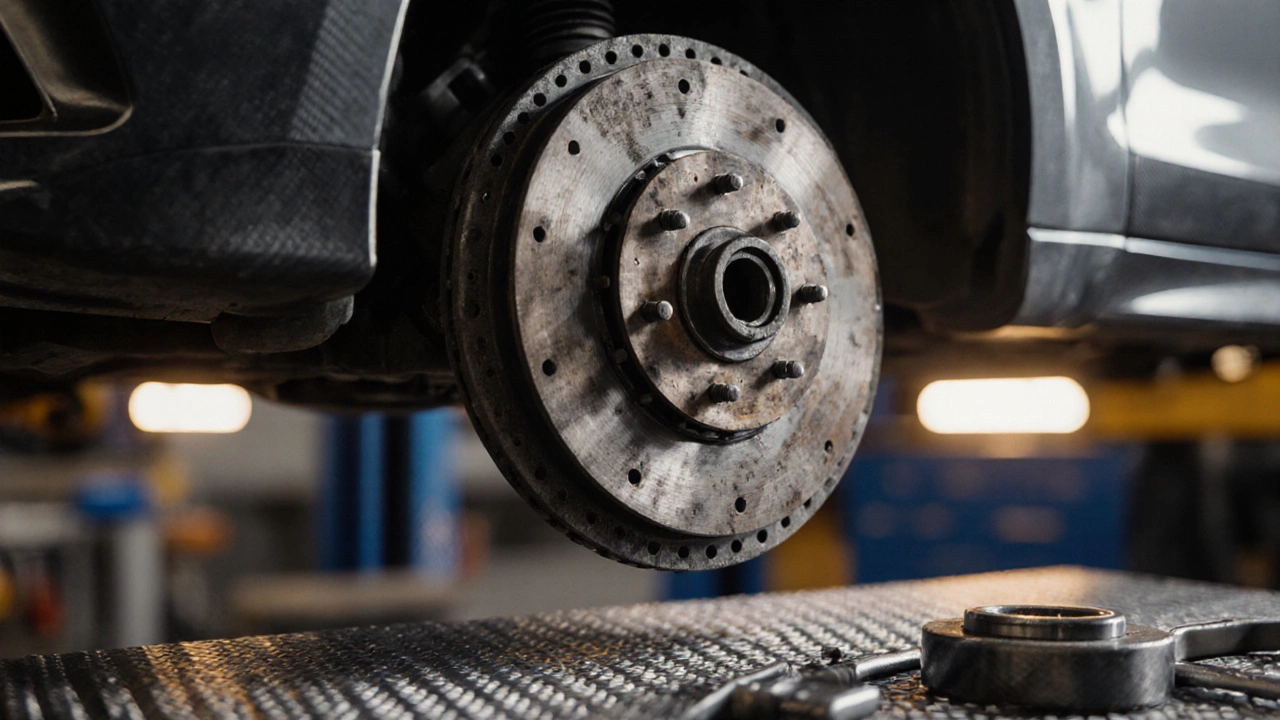
How Many Miles Should a Clutch Last? Real-World Expectations for Clutch Kits
Most clutches last between 60,000 and 100,000 miles, but driving habits make a huge difference. Learn what really wears out a clutch and how to make yours last longer.
November 15 2025