Clutch Life: How Long Should Your Clutch Last and What Wears It Out?
When you press the clutch pedal, you’re relying on a clutch, a mechanical component that connects and disconnects engine power from the transmission. Also known as a friction disc system, it’s one of the most abused parts in manual cars—yet most drivers have no idea how to make it last. A typical clutch life runs between 60,000 and 100,000 miles, but that’s just a starting point. How long yours actually lasts depends on how you drive, not just how often you service it.
What kills a clutch faster than anything? Riding the pedal. That light pressure you put on the clutch when stopped at traffic lights? That’s not resting—it’s grinding. Every time you hold the clutch halfway down, you’re wearing down the friction material. Same goes for rapid starts, hill starts with too much throttle, or shifting too late under heavy load. These habits don’t just shorten clutch life—they damage the flywheel and pressure plate too. You can’t replace just the clutch and expect it to work right if those parts are warped or cracked.
And it’s not just about mileage. A clutch in a city taxi might need replacing at 40,000 miles. One in a quiet rural Ford Fiesta could hit 150,000. The difference? Driver behavior. If you’re constantly crawling in traffic, launching hard from stops, or driving a heavy vehicle with a light clutch, you’re asking for trouble. Signs you’re nearing the end? A spongy pedal, slipping when accelerating, a burning smell, or difficulty getting into gear. These aren’t warnings you can ignore—they’re your car screaming for help.
Most people wait until the clutch fails completely before acting. That’s when you end up stranded, or worse, damaging the gearbox. Replacing a clutch isn’t cheap, and it’s not a quick job. But if you catch the early signs, you can plan it, compare prices, and even swap other parts at the same time—like the release bearing or hydraulic line—before they cause more damage. It’s smarter, cheaper, and safer.
Below, you’ll find real-world guides on what actually causes clutch failure, how to spot the warning signs before it’s too late, and what else you should replace when you do change it. No theory. No fluff. Just what works for UK drivers who’ve been there.
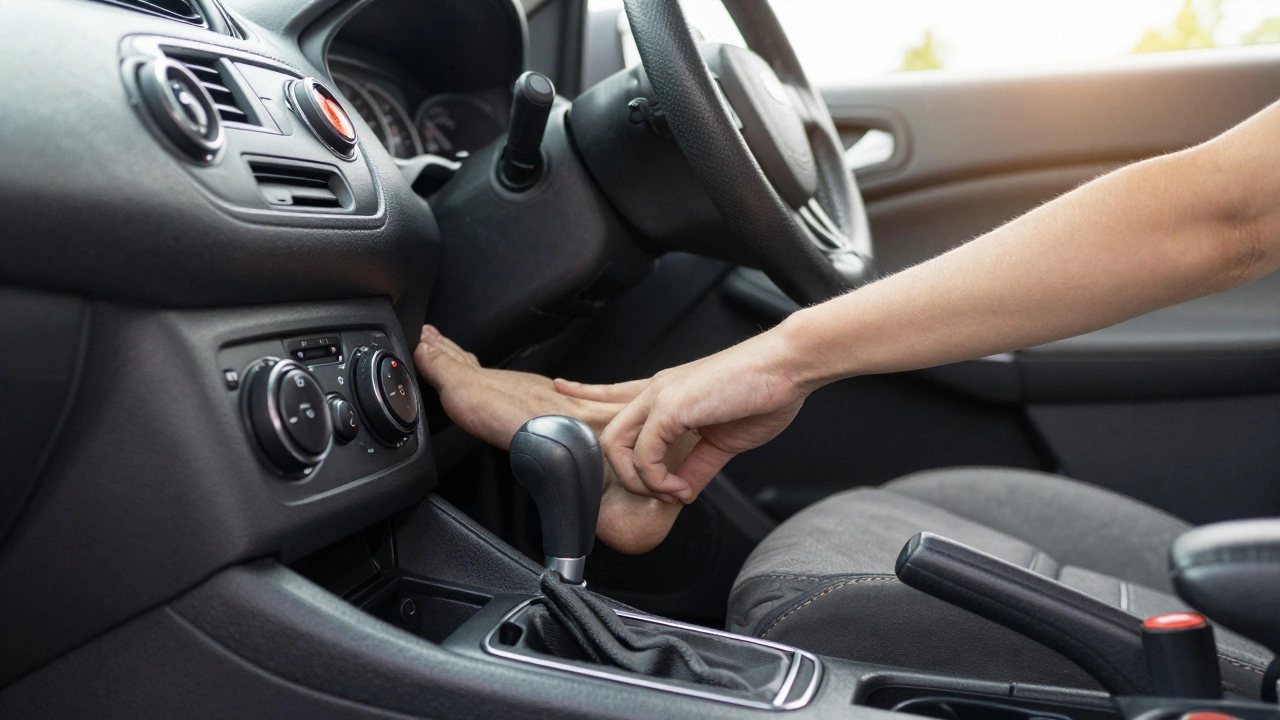
What Is the Average Life of a Clutch? Real-World Expectations and How to Extend It
Most clutches last 60,000 to 100,000 miles, but driving habits can cut that in half. Learn the real signs of wear, how to extend clutch life, and what to look for in a replacement kit.
December 4 2025