Clutch Kit Lifespan: How Long Should Your Clutch Last?
When you press the clutch pedal, you're relying on a clutch kit, a set of components that connects your engine to the transmission and lets you shift gears smoothly. Also known as a clutch assembly, it includes the friction disc, pressure plate, release bearing, and sometimes the flywheel. This system takes a beating every time you start from a stop, creep in traffic, or ride the clutch—yet most drivers have no idea how long it’s supposed to last.
A clutch kit, a critical drivetrain component that transfers engine power to the wheels typically lasts between 60,000 and 100,000 miles. But that’s just a baseline. If you frequently drive in heavy city traffic, hold the clutch down at red lights, or launch hard from a stop, your clutch could wear out before 40,000 miles. On the flip side, if you drive mostly on highways with smooth gear changes, it might hit 120,000 miles or more. The flywheel, the heavy metal disc that connects to the engine crankshaft and works with the clutch disc to transmit torque often needs replacing at the same time—if it’s warped or worn, a new clutch won’t last. And don’t forget the release bearing, the part that pushes against the pressure plate when you press the pedal. A noisy or grinding bearing is usually the first warning sign that the clutch is nearing the end.
There’s no magic number for clutch replacement—it’s all about how you drive. If you’re constantly slipping the clutch to control speed on hills or riding it while waiting in line, you’re wearing it out faster than you think. The same goes for towing heavy loads without upgrading to a heavy-duty clutch. Most people wait until the clutch starts slipping, the car won’t go into gear, or it feels like the pedal is too high. By then, you’re risking damage to the flywheel or transmission. Checking your clutch’s condition during regular maintenance can save you hundreds. Look for signs like a spongy pedal, grinding noises, or the engine revving without the car accelerating. These aren’t just annoyances—they’re red flags.
When you do replace your clutch, it’s rarely just the clutch. Most mechanics will also check or replace the pressure plate, the component that clamps the clutch disc against the flywheel, the release bearing, and sometimes even the slave cylinder. Skipping these can lead to premature failure. And if your car has a dual-mass flywheel, it’s often better to swap it out too—it’s expensive, but it prevents vibrations and uneven wear. You’re not just replacing a part; you’re restoring the entire connection between engine and wheels.
What you’ll find below are real-world guides from UK drivers and mechanics who’ve dealt with clutch failures, replacements, and upgrades. You’ll see how driving style, vehicle type, and even fuel quality affect clutch life. No fluff. No theory. Just what actually happens on the road, in the garage, and on the bill.
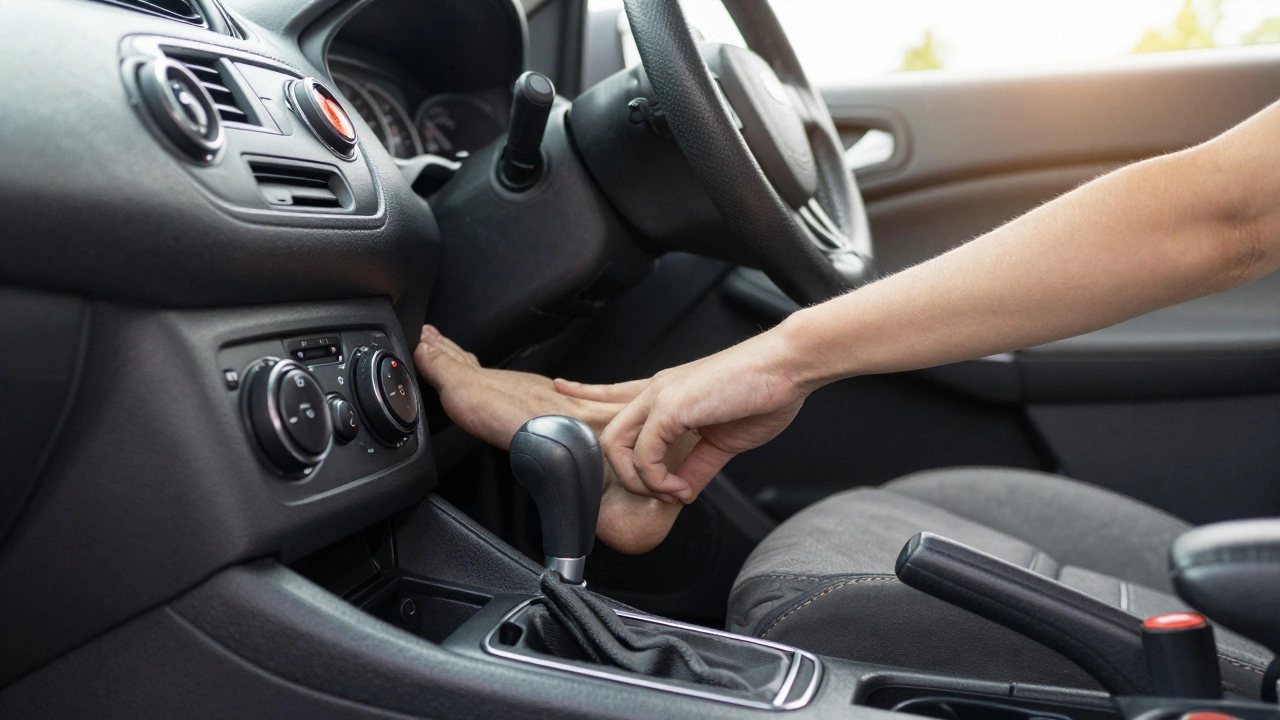
What Is the Average Life of a Clutch? Real-World Expectations and How to Extend It
Most clutches last 60,000 to 100,000 miles, but driving habits can cut that in half. Learn the real signs of wear, how to extend clutch life, and what to look for in a replacement kit.
December 4 2025