Clutch Failure: Signs, Causes, and What to Replace When It Goes Bad
When your clutch failure, the point at which the clutch can no longer transfer engine power to the transmission. Also known as clutch slippage, it’s not just a nuisance—it’s a safety issue that can strand you on the highway or cause sudden loss of control. Most drivers don’t notice clutch failure until it’s too late. You might hear a grinding noise, feel the pedal go soft, or notice the car won’t accelerate even when the engine revs. These aren’t just "weird sounds"—they’re warnings your clutch is worn out, overheated, or already damaged beyond simple adjustment.
Clutch failure rarely happens alone. It usually drags other parts down with it. The flywheel, the heavy metal disc that connects the engine to the clutch and smooths out power delivery often gets scored or warped when the clutch fails, especially if the car was driven hard with a slipping clutch. The pressure plate, the component that clamps the clutch disc against the flywheel can lose its spring tension or crack under stress. And the release bearing, the part that pushes the clutch fingers to disengage the clutch? It’s the first to go when the clutch is misused, and if it’s noisy, it’s already failing. Replacing just the clutch disc without checking these parts is like replacing a tire but leaving the bent rim on the car—it won’t last, and it’ll cost you more later.
Clutch problems don’t always come from abuse. Even gentle drivers can face failure if the clutch was installed wrong, the hydraulic system leaked, or the flywheel wasn’t resurfaced during a previous job. In the UK, where stop-start traffic and hilly roads are common, clutches work harder than you think. A worn clutch doesn’t just make driving annoying—it makes fuel economy drop, puts extra strain on the gearbox, and can even damage the transmission if ignored long enough.
You don’t need to be a mechanic to spot early signs. Does the car hesitate when you shift? Does the engine rev higher than normal without speeding up? Do you smell burning when you’re in heavy traffic? These aren’t myths or exaggerations—they’re the same clues that professionals see every day. And if you’ve had a clutch replaced before and it’s already acting up again, chances are something else was overlooked the first time.
What you’ll find below are real, practical guides from UK drivers and mechanics who’ve been there. From the exact checklist of parts to replace when the clutch goes, to how to tell if your flywheel is still good, to what noise means what—this collection cuts through the guesswork. No fluff. No theory. Just what you need to know before you hand over your keys or start your next repair.
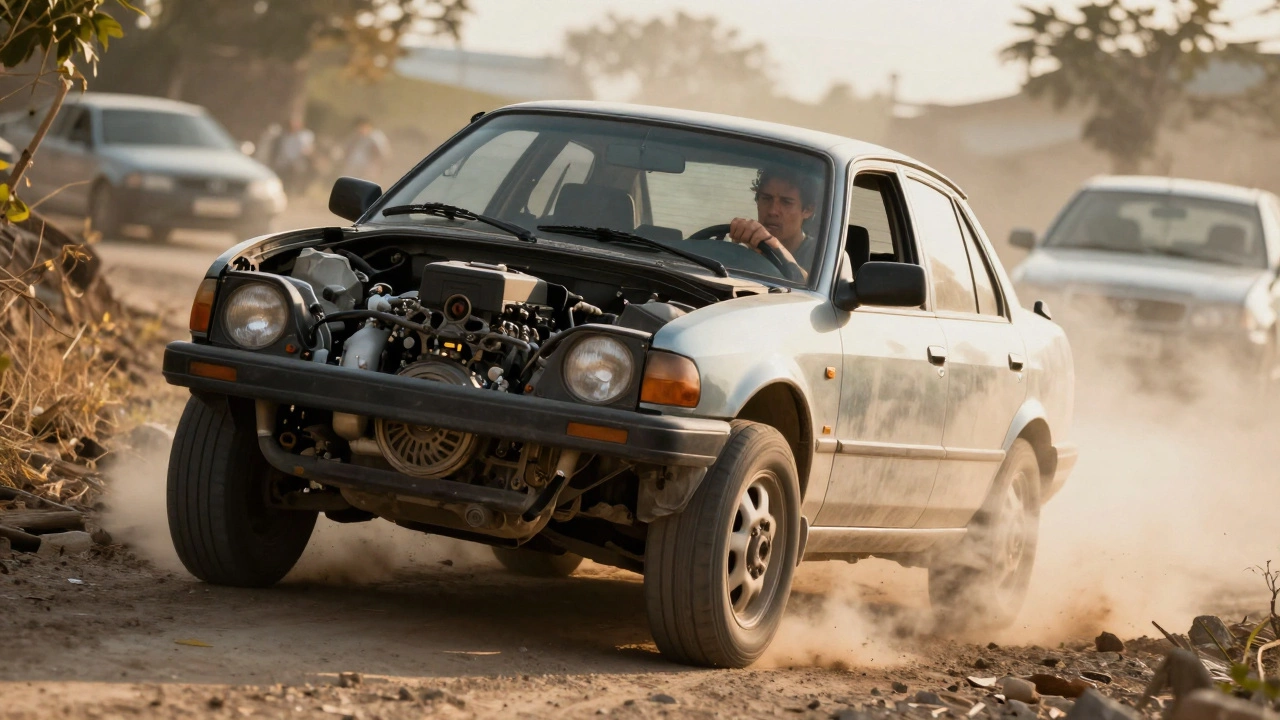
What Happens If You Keep Driving With a Bad Clutch?
Driving with a bad clutch might seem harmless at first, but it leads to costly damage to your transmission and other parts. Learn the signs, risks, and why replacing it early saves you thousands.
March 19 2026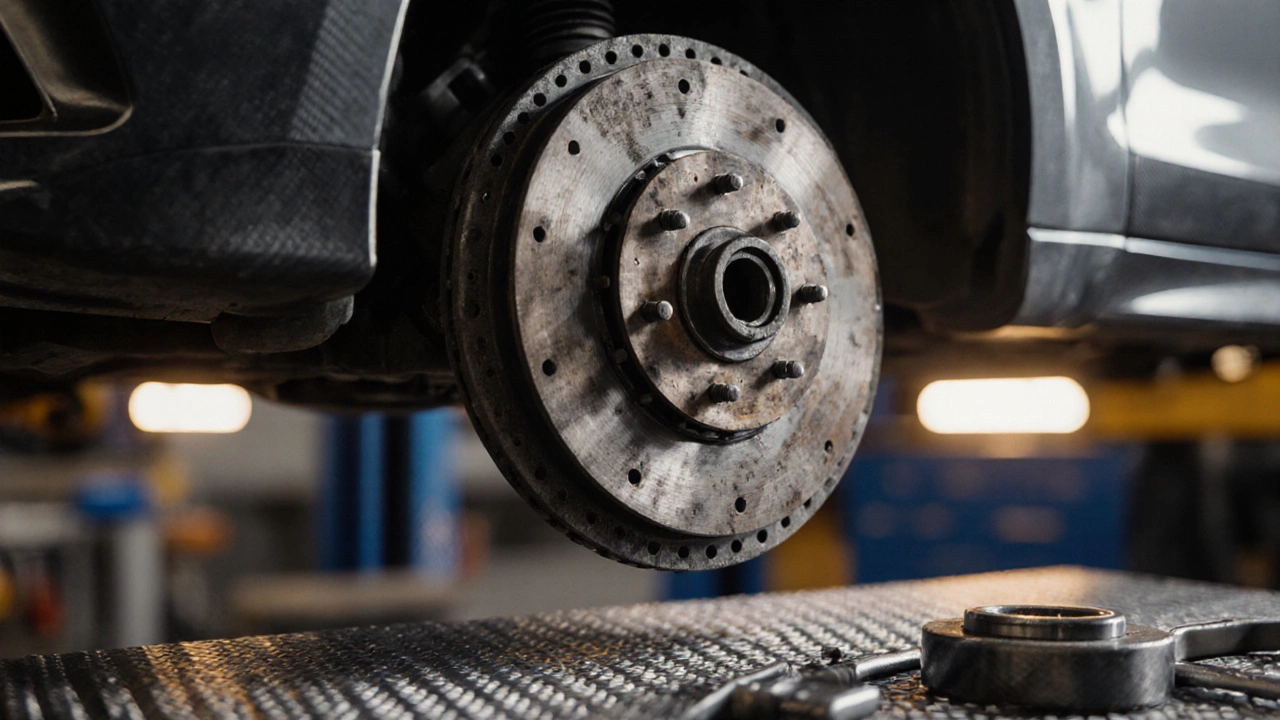
How Many Miles Should a Clutch Last? Real-World Expectations for Clutch Kits
Most clutches last between 60,000 and 100,000 miles, but driving habits make a huge difference. Learn what really wears out a clutch and how to make yours last longer.
November 15 2025