Car Suspension: How to Test, Fix, and Know When It's Failing
When your car suspension, the system that connects your wheels to the chassis and absorbs road shocks. Also known as vehicle suspension, it keeps your tires on the road, controls handling, and protects your engine from excessive vibration. Starts to fail, you don’t just feel a bumpy ride—you risk control, safety, and even engine damage. A worn shock absorber doesn’t just make your car feel loose; it increases stress on your engine mounts, accelerates tire wear, and can cause your brakes to work harder than they should. Many drivers ignore the quiet creaks or the way their car leans in turns until it’s too late. But suspension problems don’t show up with warning lights—they show up in how your car behaves.
The suspension test, a simple visual and physical check to spot worn components doesn’t need a garage. Try the bounce test: push down hard on one corner of your car and let go. If it bounces more than once or twice, your shocks are worn. Look for oil leaks on the shock absorbers—any wetness means they’re failing. Check for uneven tire wear, especially cupping or bald spots on one side. These aren’t just tire issues—they’re signs your suspension isn’t holding the wheel steady. And if your car pulls to one side when braking or feels floaty on highways, it’s not just the steering. It’s the bad suspension, a condition where springs, struts, or control arms no longer function as designed letting the whole system drift out of alignment.
Most people think suspension parts last forever. They don’t. Shocks and struts typically wear out between 50,000 and 100,000 miles, depending on road conditions and driving habits. Driving on rough roads, carrying heavy loads, or hitting potholes hard cuts that life in half. And when they go, they don’t just make noise—they change how your car stops, turns, and handles rain or snow. A failing suspension increases stopping distance, makes steering less precise, and can even cause your tires to lose grip faster. It’s not just about comfort. It’s about control.
What you’ll find below are real, practical guides from drivers and mechanics who’ve dealt with these exact problems. Learn how to test your own suspension with step-by-step checks, spot the hidden signs of failure before they turn into expensive repairs, and understand how a broken suspension can quietly damage your engine. You’ll see what parts actually need replacing, when you can save money by doing it yourself, and what mistakes to avoid. No fluff. No theory. Just what works on UK roads.
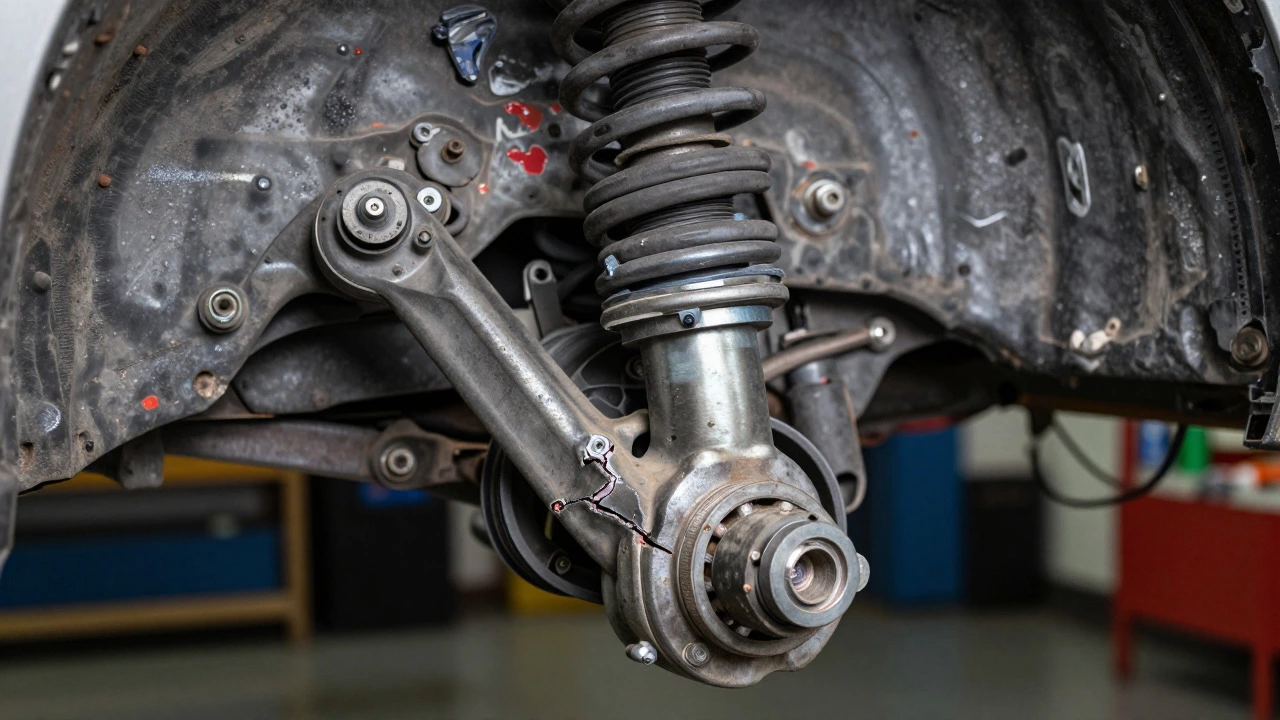
Can a Bad Suspension Be Fixed? Repair vs. Replacement Guide
Wondering if your car's bad suspension can be fixed? Learn which parts are repairable versus those needing replacement, along with costs and DIY tips.
August 16 2026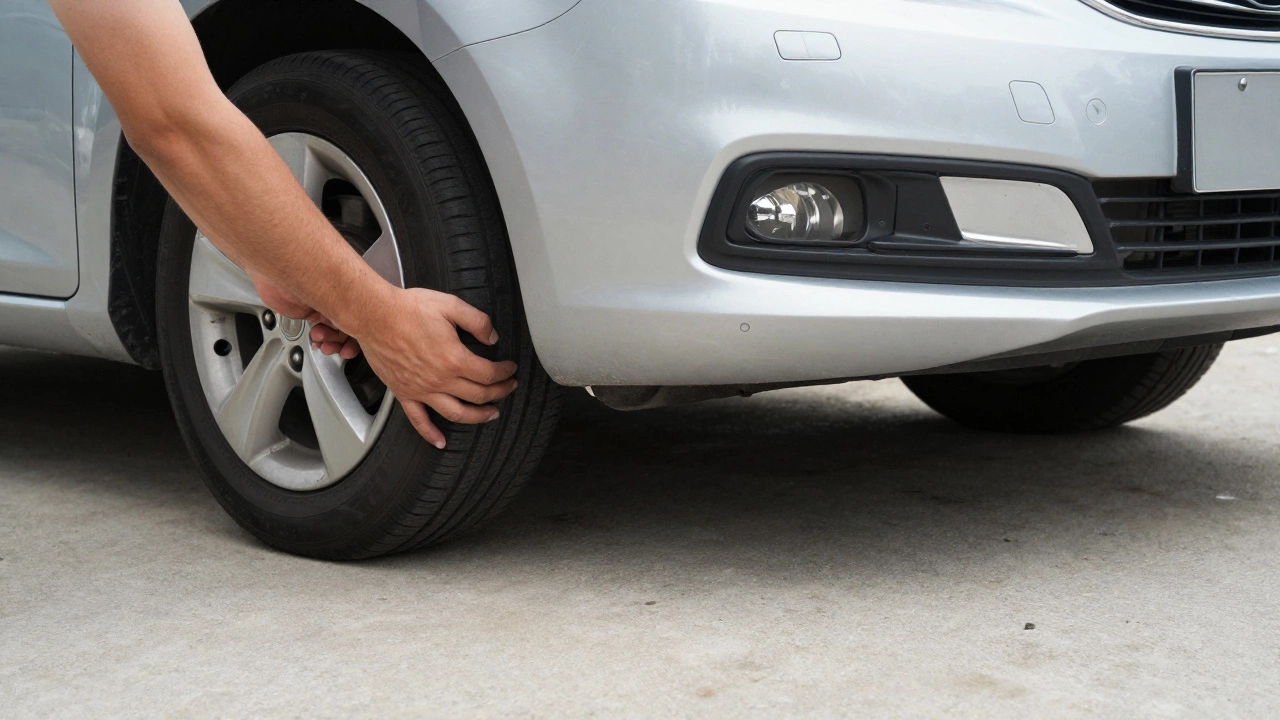
How to Diagnose a Suspension Problem: Signs, Tests & Fixes
Learn how to diagnose a suspension problem at home using simple tests like the bounce test, listening for noises, and checking tire wear. Identify worn shocks, struts, and alignment issues early.
May 17 2026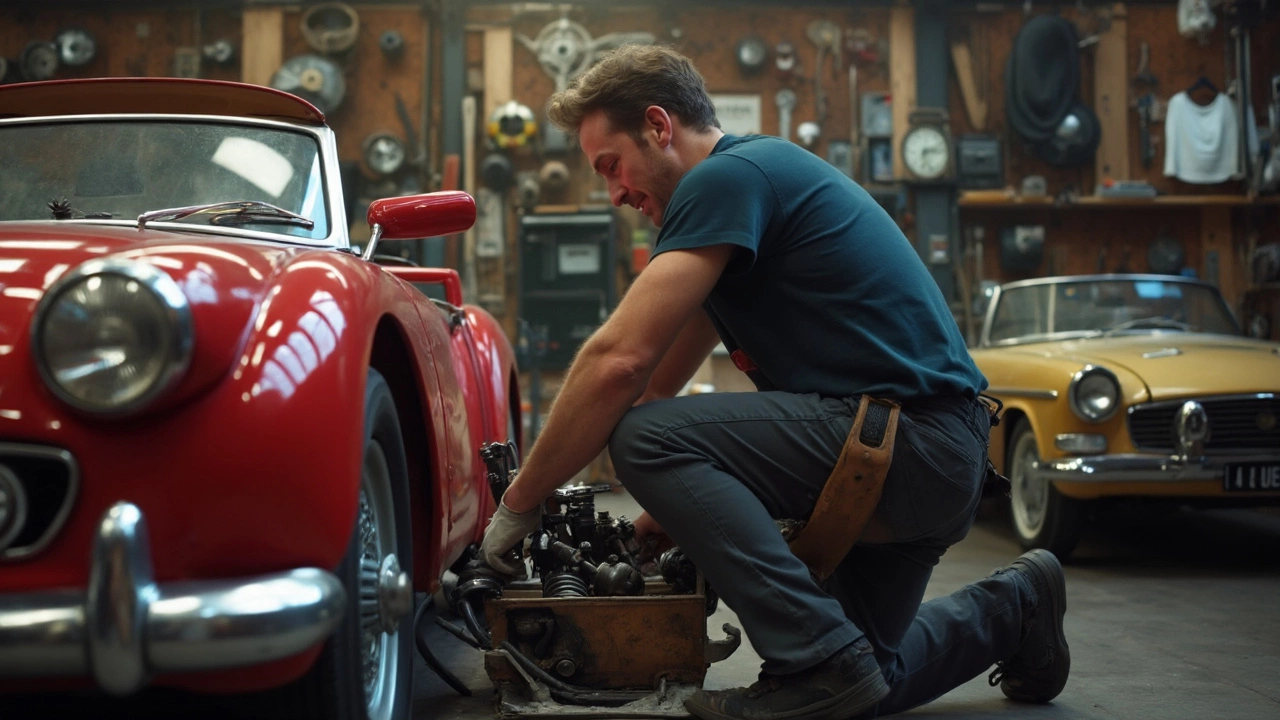
How to Boost Your Front Suspension Performance
Improving your front suspension can drastically change your driving experience, making it smoother and more controlled. Whether you're off-roading or tackling daily commutes, enhancing suspension isn't just for the pros. Dive into practical tips and tricks to give your vehicle's suspension a significant upgrade. From choosing the right components to straightforward DIY fixes, there’s something here for every car enthusiast.
April 11 2025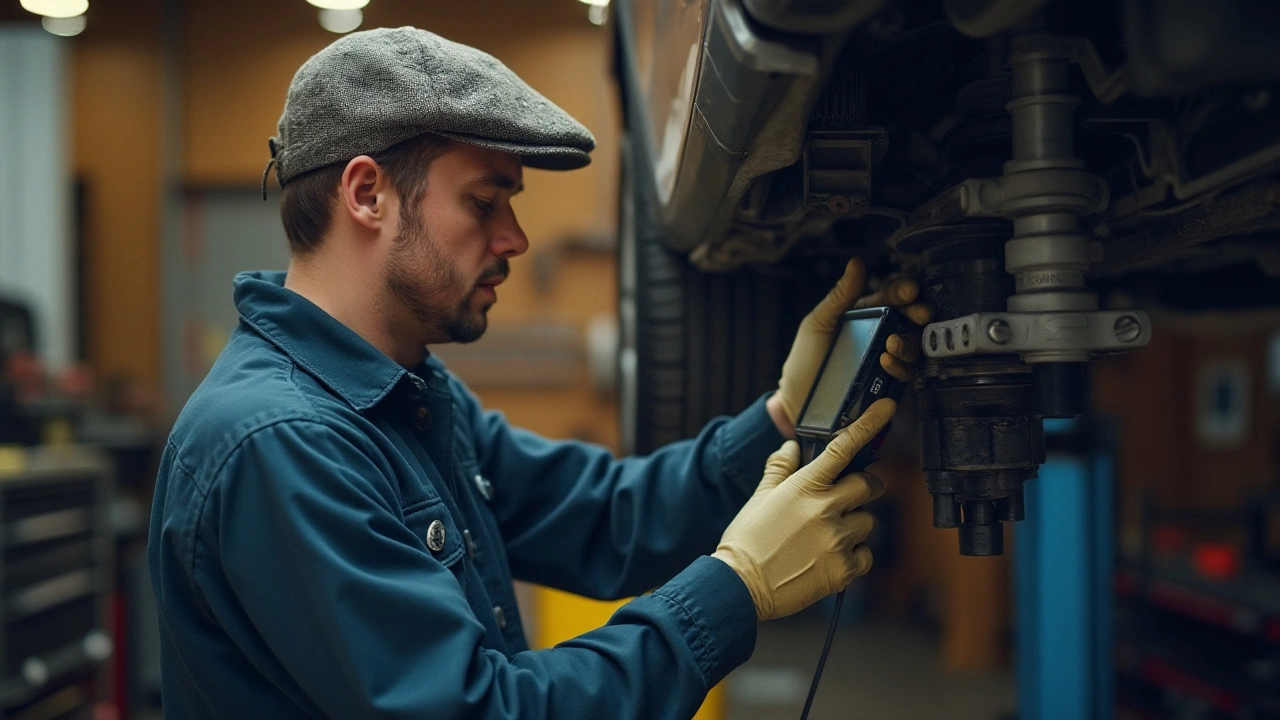
How to Fix a Faulty Suspension: A Comprehensive Guide
Suspension issues can dramatically affect the safety and comfort of your vehicle. This detailed guide explores practical solutions and tips for diagnosing and fixing a bad suspension. Learn about the signs of a failing suspension system, the essential parts involved, and step-by-step instructions to address common problems. Whether you're a DIY enthusiast or deciding whether to see a professional, this article gives you the knowledge needed to ensure a smooth ride.
January 4 2025