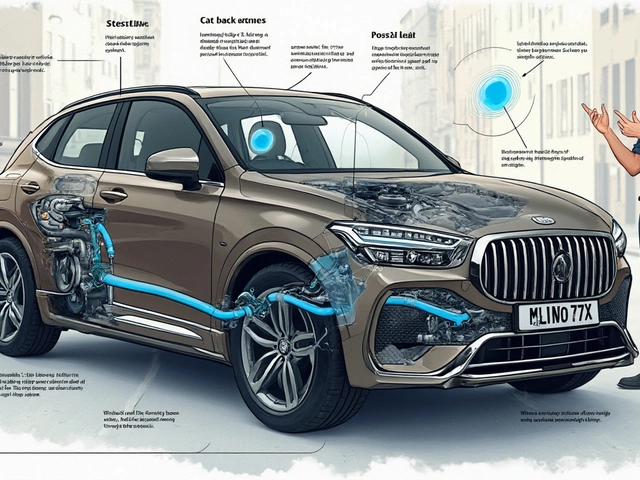
Depending on what you drive, your car might be using one of several different methods to let you know your brake pads are wearing thin. Some high-end vehicles use sophisticated electronic sensors, while older or more basic models rely on mechanical triggers. Knowing which one your car uses can save you from a dangerous situation where your pads wear down completely, leaving you grinding metal against metal.
The Mechanical Warning: The Squealer
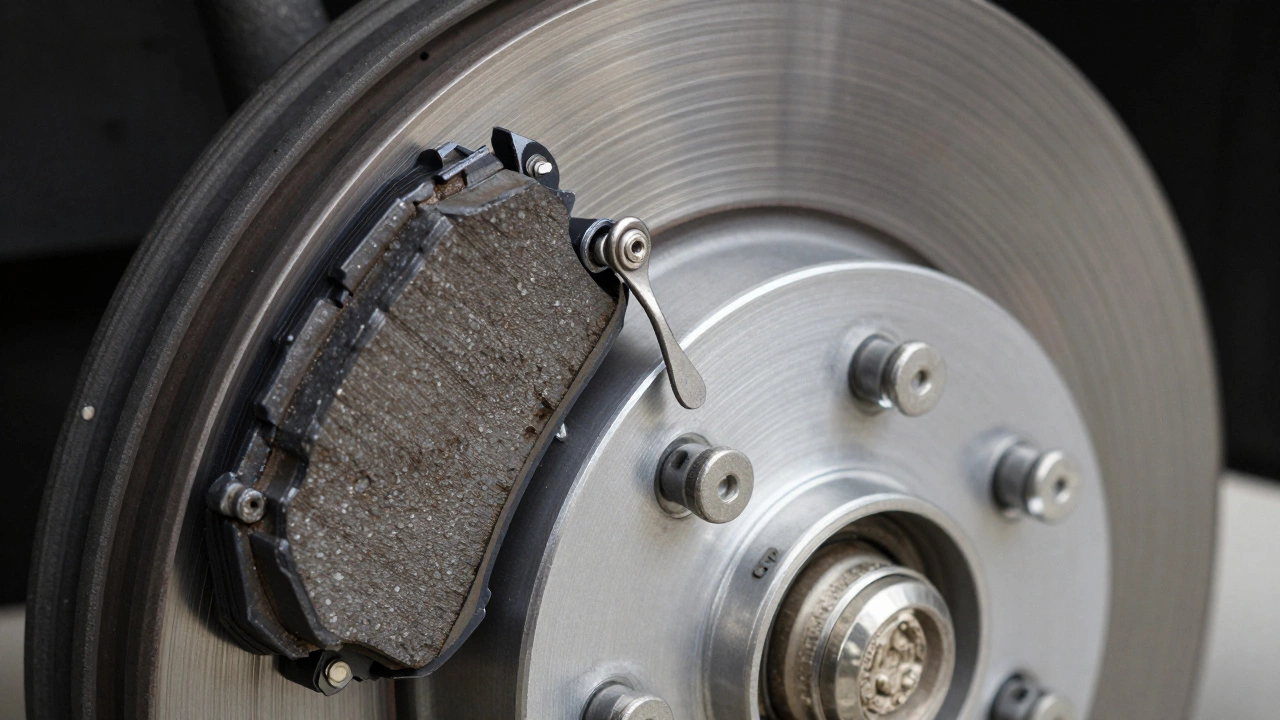
If you have a car without fancy electronics, you likely have a mechanical wear indicator. Brake Pads are friction materials composed of semi-metallic, ceramic, or organic compounds designed to grip the brake rotor to slow the vehicle. Most of these pads come with a small metal tab called a "wear indicator" or a "squealer."
Here is how it works: as the friction material wears down to a specific thickness (usually around 2-3mm), this metal tab begins to touch the Brake Rotor is a circular metal disc that rotates with the wheel and is clamped by the brake pads to create friction . Because the tab is metal and the rotor is metal, they create a high-pitched screeching sound every time you apply the brakes. It's intentionally annoying because it's designed to get your attention before the pads are totally gone.
If you hear a consistent, high-pitched squeal while braking but it disappears when you let off the pedal, that's your car's way of saying, "Hey, book a garage appointment soon." However, if the sound turns into a loud, grinding noise-like gravel in a blender-you've passed the warning stage and are now damaging your rotors.
The Electronic Warning: Dashboard Lights
Newer cars often skip the screeching metal and go straight to the electronics. Many vehicles use a Brake Wear Sensor is an electrical circuit embedded in the brake pad that breaks when the material wears down to a certain point . When the pad wears thin, the rotor actually cuts through a wire inside the sensor, breaking the electrical circuit. This triggers the Brake Warning Light is a visual indicator on the instrument cluster that alerts the driver to a problem with the braking system on your dashboard.
It's important to distinguish between different lights. A yellow or orange "Brake Wear" light usually means your pads are low. A red brake light, however, often indicates a more serious issue, like low Brake Fluid is a hydraulic fluid that transmits the force of the foot pedal to the brake calipers levels or that your electronic parking brake is engaged. If you see a red light, you should stop and check your fluid levels immediately, as this is a safety critical failure.
| Method | How it signals | Typical Vehicle Type | Urgency |
|---|---|---|---|
| Mechanical Tab | High-pitched squealing | Economy/Older cars | Moderate (Replace soon) |
| Electronic Sensor | Dashboard warning light | Modern/Luxury cars | Moderate (Schedule service) |
| Visual Inspection | Thin pad material | All vehicles | Varies by thickness |
| Metal-on-Metal | Loud grinding noise | Neglected vehicles | Immediate (Danger) |
Physical Signs Your Car Won't Tell You
Not every car has a perfect sensor. Sometimes the sensor fails, or the mechanical tab is missing from budget pads. This is where you need to pay attention to how the car actually feels. One of the most common signs is "brake fade" or a soft pedal. If you feel like you have to press the pedal much further into the floor to stop, you might have worn pads or air in your lines.
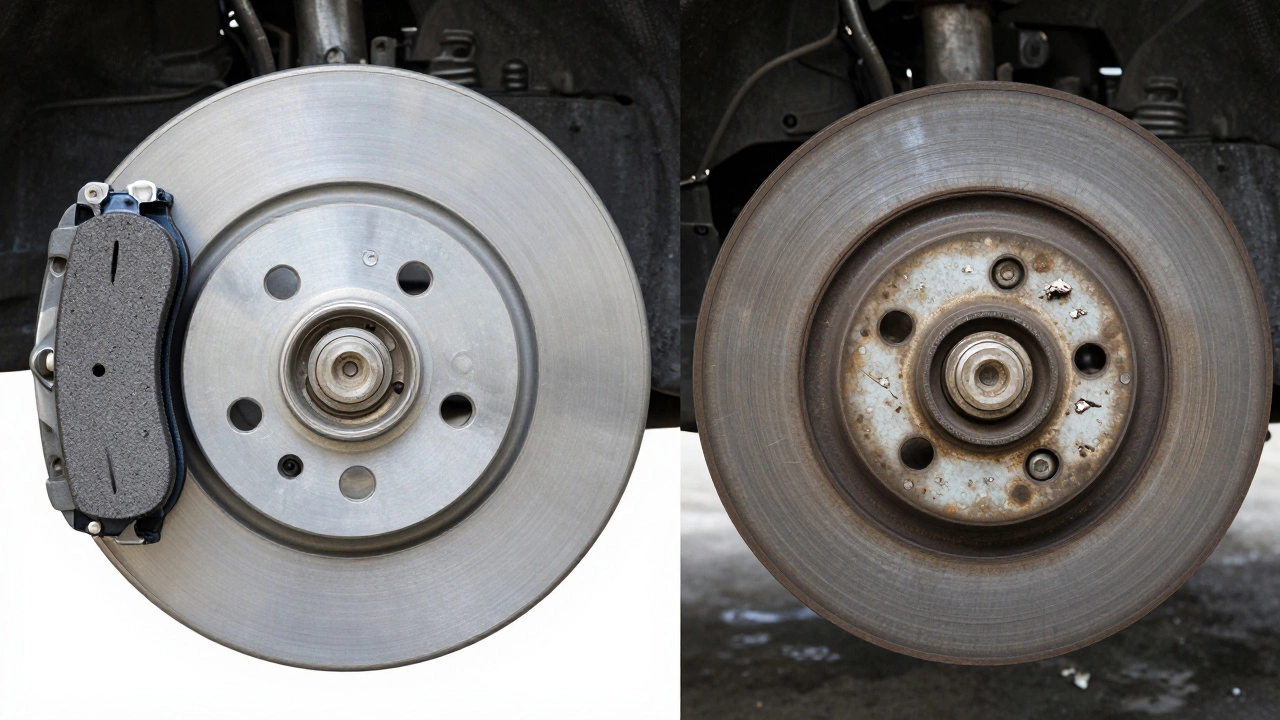
Another tell-tale sign is steering wheel vibration. If the wheel shakes when you brake at higher speeds, your pads might be worn unevenly, or you might have developed "warped rotors." This happens when the rotor gets too hot and then cools too quickly, creating uneven spots that the pads bounce over. While the pads themselves might still have some life, the system is no longer working efficiently.
Then there's the visual check. You don't even need to take the wheel off in many cars. Just look through the spokes of your alloy wheels. You can see the brake pad hugging the rotor. If the friction material looks thinner than a couple of pennies stacked together (about 3mm), you're in the danger zone. If you see a shiny metal strip where the pad should be, stop driving immediately.
Why You Shouldn't Ignore the Warnings
Ignoring a squealing brake or a warning light isn't just about the noise; it's about money and safety. Brake pads are designed to be the "sacrificial" part of the system. They are meant to wear down so that the Brake Caliper is a hydraulic clamp that pushes the brake pads against the rotor and rotor stay intact.
When the pads are completely gone, the metal backing plate of the pad grinds directly into the rotor. This transforms a simple, affordable pad replacement into a much more expensive job involving the resurfacing or full replacement of the rotors. In extreme cases, the heat generated by metal-on-metal friction can cause the brake fluid to boil, leading to total brake failure. A set of pads costs a fraction of what a full braking system overhaul does.
Maintenance Checklist for Brake Health
To keep your stopping power reliable, don't just wait for the car to scream at you. Implement a simple routine to catch wear before it becomes a crisis:
- Check every 6,000 miles: Have a mechanic peek at your pad thickness during your oil change.
- Listen for changes: If a sound that was there for a week suddenly disappears, it might mean the wear indicator has worn through-which is actually worse.
- Monitor your pedal: Note any increase in the distance you have to press the pedal to achieve a full stop.
- Check fluid color: Brake fluid should be clear to light amber. If it's dark brown or black, it's contaminated and needs flushing.
How long do brake pads usually last?
On average, brake pads last between 25,000 and 70,000 miles. However, this varies wildly based on your driving style. If you spend your day in stop-and-go traffic in a city like Manchester, you'll wear them down much faster than someone cruising on a motorway. Heavy vehicles or those that tow trailers also eat through pads significantly quicker.
Can I just replace the pads without the rotors?
Yes, if the rotors are still smooth and within thickness specifications, you can just replace the pads. However, if you've been driving with worn-out pads and heard grinding, the rotors are likely scored or warped and will need to be replaced or machined (turned) to ensure the new pads grip properly.
Why do my brakes squeal even after being replaced?
This is often due to a lack of lubrication on the back of the pads or the caliper slide pins. Brake technicians use a special high-temperature grease to prevent vibration. If they skipped this step, or if you bought cheap pads without a shim, you'll get "brake chatter" which sounds like a wear indicator but isn't.
What is the difference between ceramic and semi-metallic pads?
Semi-metallic pads use a mix of metal and filler; they are durable and great for heavy-duty stopping but are noisier and produce more black dust. Ceramic pads are made from clay and ceramic fibers; they are quieter, last longer, and produce less dust, making them better for daily commuting.
Is it safe to drive with a brake warning light on?
If it's a yellow wear indicator, you can usually drive to a garage, but you should do so immediately. If the light is red, or if the pedal feels spongy, it is not safe. A red light could indicate a hydraulic leak or total failure, which means your car might not stop when you need it to.
Next Steps and Troubleshooting
If you've identified that your brakes are worn, the first step is to determine if you're doing a "pad slap" (just replacing pads) or a full service. For those who prefer a DIY approach, ensure you have a C-clamp or a brake spreader tool to push the caliper piston back; otherwise, you won't get the new, thicker pads to fit.
If you're taking it to a professional, ask them to show you the old pads. A reputable shop will show you the remaining thickness so you can see exactly how much was left. If you've just replaced your pads but the car is still shaking, check your wheel balance or ask about "rotor run-out," which means the disc isn't perfectly flat.