Suspension Health Diagnostic Tool
Select Observed Symptoms
Check all boxes that apply to your current driving experience or visual inspection.
Diagnostic Results
Select symptoms above and click "Diagnose Issues" to see analysis.
Have you ever driven over a small pothole and felt your entire body jolt forward? Or noticed that your steering wheel feels loose when turning corners on the highway? These aren’t just annoying quirks; they are often early warning signs of a failing car suspension. A healthy suspension system is the unsung hero of driving comfort and safety. It keeps your tires planted on the road, absorbs bumps, and stabilizes your vehicle during braking and cornering.
Ignoring these symptoms can lead to uneven tire wear, poor handling, and even accidents. But diagnosing a suspension problem doesn't always require a trip to the mechanic immediately. With a few simple checks and observations, you can pinpoint whether the issue lies with your shocks, struts, springs, or alignment. This guide will walk you through the most common signs of suspension failure and how to identify them before they become expensive repairs.
The Bounce Test: Checking Shocks and Struts
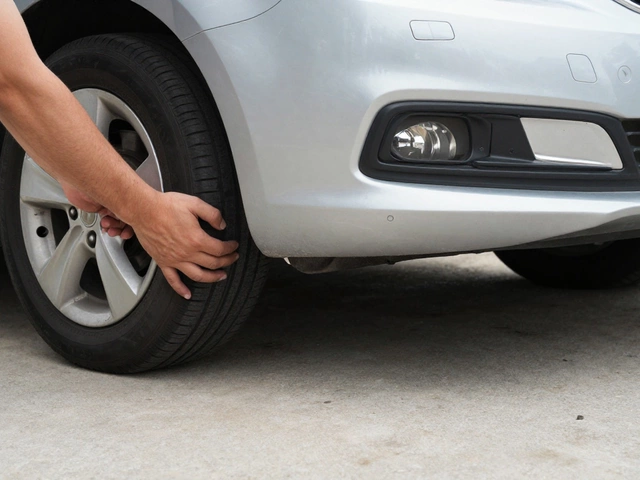
One of the easiest ways to check if your shock absorbers are responsible for dampening spring oscillations or struts structural components of the suspension is working is the bounce test. You don't need any special tools for this-just your hands and a bit of strength.
Here’s how to do it:
- Park your car on a flat, level surface and ensure the parking brake is engaged.
- Go to one corner of the vehicle (front left, for example).
- Push down firmly on the bumper or fender with both hands. Push hard enough to compress the suspension fully.
- Release your hands quickly.
If the suspension is in good condition, the car should settle back into its normal position immediately after you let go. It might wobble slightly once, but it should stop bouncing right away. If the car continues to bounce up and down two or three times-or more-it means your shock absorbers or struts are worn out and no longer damping the motion effectively. Repeat this test on all four corners. If only one side bounces excessively, that specific component needs attention.
Listening for Noises Over Bumps
Your ears can tell you a lot about what’s happening under the chassis. When driving over speed bumps, broken pavement, or even just rough roads, listen closely for unusual sounds. A healthy suspension operates quietly. Any clunking, knocking, or squeaking noises are red flags.
- Clunking or Knocking: This often indicates worn ball joints connect the control arms to the steering knuckles, control arm bushings allow movement while isolating vibration, or loose mounting hardware. Ball joints allow your wheels to move up and down while staying connected to the steering system. When they wear out, there’s play in the joint, causing that distinct metal-on-metal clunk.
- Squeaking or Creaking: Rubber bushings dry out and crack over time. When they lose their flexibility, they squeak as metal moves against rubber. This is common in older vehicles or those exposed to extreme temperatures.
- Rattling: A rattling sound from the rear or front end could mean a loose sway bar link or a broken spring support.
If you hear these noises consistently over bumps, schedule an inspection soon. Worn ball joints can fail completely, potentially causing your wheel to detach from the vehicle-a dangerous scenario.
Uneven Tire Wear: The Silent Indicator
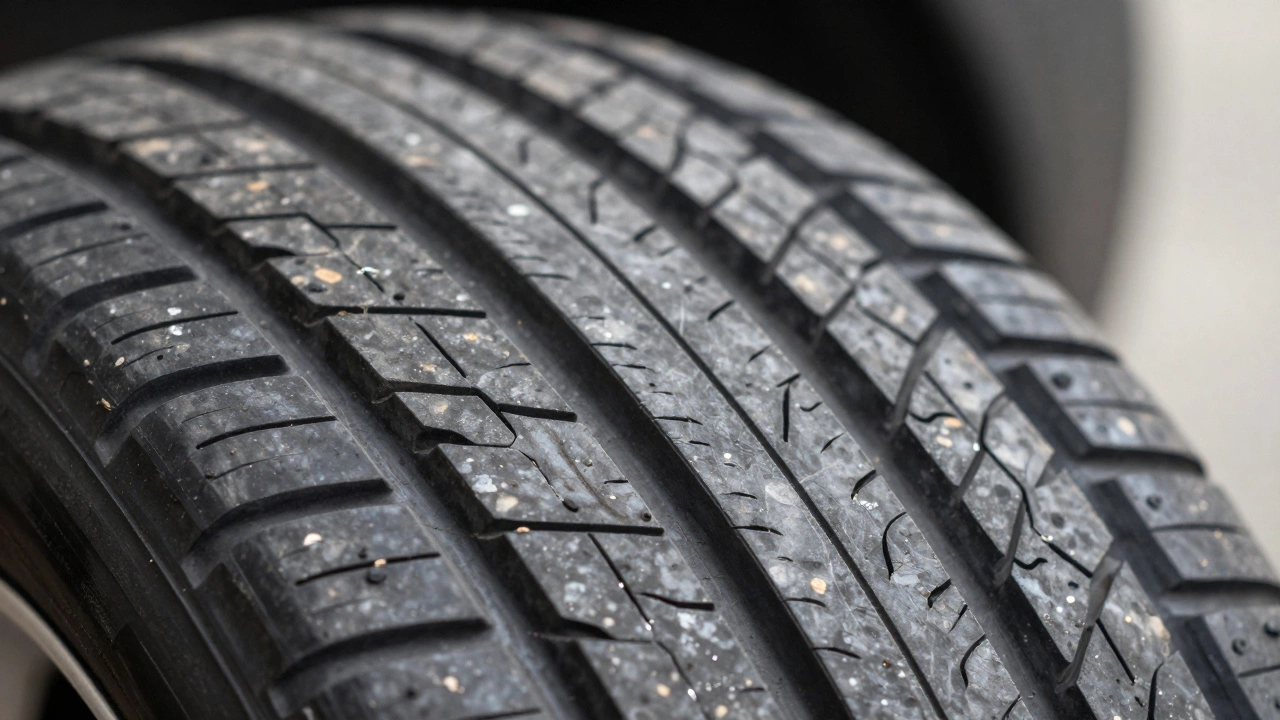
Tires are the first point of contact between your car and the road. They also serve as excellent indicators of suspension health. Check your tires regularly by looking at the tread depth across the width of each tire. Use a penny test or a tread depth gauge for accuracy.
Healthy tires wear evenly across the center and edges. Uneven wear patterns reveal specific suspension issues:
- Cupping or Scalloping: Patches of deeper tread surrounded by smoother areas look like dips in the surface. This usually points to worn shock absorbers or struts. Because the damper isn’t controlling the spring properly, the tire bounces slightly off the ground, creating irregular contact patches.
- Inner or Outer Edge Wear: If one side of the tire wears faster than the other, your wheel alignment adjustment of angles relative to the road is likely off. This can be caused by bent suspension parts, worn tie rods, or hitting a curb.
- Center Wear: Excessive wear in the middle suggests under-inflation, but it can also indicate weak springs that sag too much under load.
Replacing tires without fixing the underlying suspension issue will result in premature wear again. Always diagnose the root cause before buying new rubber.
Steering Play and Vehicle Drift
Pay attention to how your car behaves while driving. Does the steering feel vague or loose? Do you find yourself constantly making small corrections to keep the car straight? These sensations often stem from suspension wear.
To check for excessive steering play, park on a flat surface and turn the steering wheel slightly left and right within the free-play zone (the range where the wheels don’t yet move). Modern cars typically have less than one inch of free play. If you notice significant slack before the tires respond, your tie rod ends connect the steering rack to the wheels or idler arms may be worn.
Additionally, if your vehicle pulls to one side when braking or drifting on a straight road, it could indicate a stuck caliper, but it’s frequently linked to suspension geometry changes. Worn control arms or collapsed springs alter the camber and toe angles, forcing the tires to scrub against the road rather than roll smoothly.
Visual Inspection: Leaks and Damage
While you’re parked, take a moment to look underneath your car. Don’t worry if you’re not a mechanic; basic visual cues can reveal major problems.
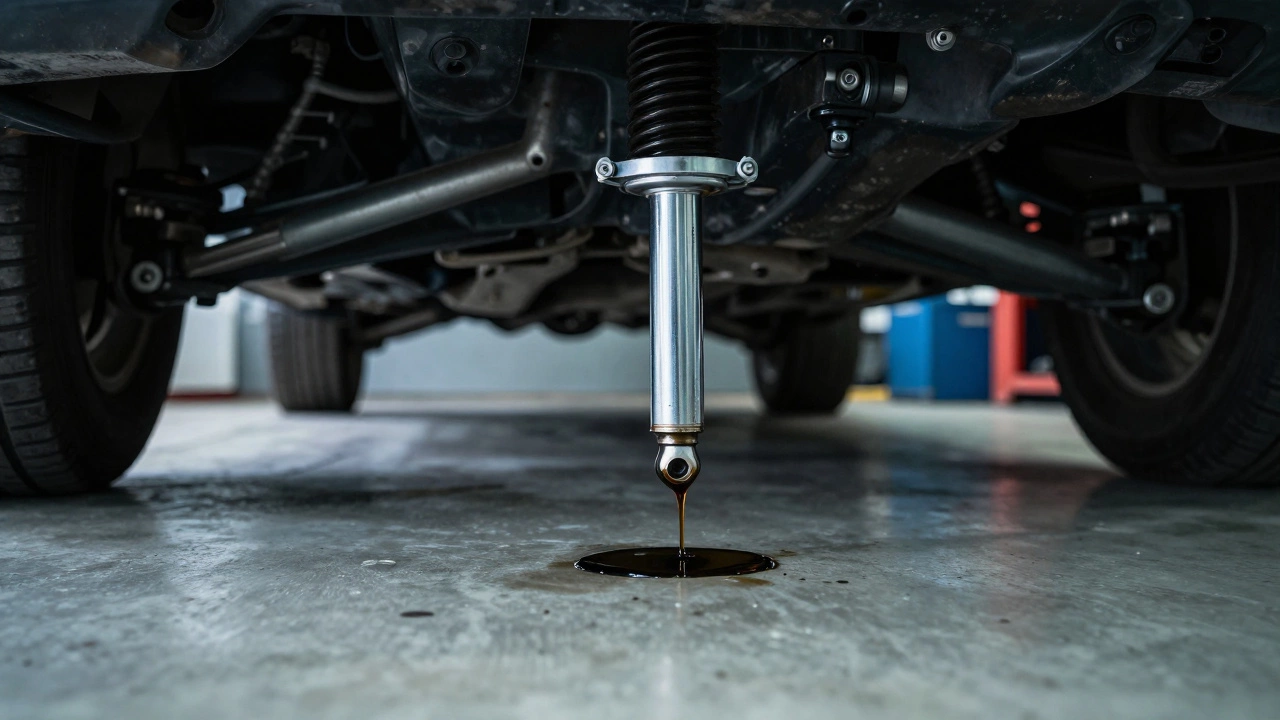
- Oil Leaks: Shock absorbers and struts contain hydraulic fluid. If you see oil dripping down the side of the strut housing or pooling on the ground beneath the wheel well, the seals inside are failing. A dry strut offers little damping effect, leading to a harsh ride and reduced stability.
- Dust Covers: Most struts have rubber boots covering the piston rod. Inspect these for tears or cracks. If dirt and moisture get inside, they’ll corrode the chrome shaft, causing leaks and premature failure.
- Bent Components: Look for obvious bends in control arms, sway bars, or subframes. Even minor impacts from curbs or potholes can bend these parts, ruining alignment permanently.
If you spot leaking fluid or damaged boots, replace the affected components promptly. Driving with compromised shocks increases stopping distances and reduces traction, especially in wet conditions.
When to See a Professional
Some suspension issues require specialized equipment to diagnose accurately. While home checks help identify obvious faults, professional inspections provide precision measurements.
You should visit a mechanic if:
- Your car fails the bounce test on multiple corners.
- You experience persistent pulling or drifting despite proper tire inflation and rotation.
- Noises persist after checking for loose bolts or debris.
- You’ve recently hit a large pothole or curb, which may have hidden structural damage.
A professional will use an alignment machine to measure camber, caster, and toe angles precisely. They can also lift the vehicle to inspect bushings, ball joints, and mounts for subtle wear that isn’t visible from the ground. Regular maintenance every 10,000 to 15,000 miles helps catch these issues early.
| Symptom | Likely Cause | Action Required |
|---|---|---|
| Excessive Bouncing | Worn Shock Absorbers or Struts | Replace shocks/struts in pairs |
| Clunking Noises | Loose Ball Joints or Bushings | Inspect and replace worn parts |
| Uneven Tire Wear | Misalignment or Weak Springs | Wheel alignment and spring check |
| Steering Play | Worn Tie Rod Ends | Replace tie rods and realign |
| Vehicle Pulling | Bent Control Arm or Alignment Issue | Professional alignment inspection |
How often should I check my suspension?
It’s wise to perform a quick visual inspection and listen for noises every time you wash your car or change your oil. For a thorough mechanical check, including bushings and ball joints, aim for every 10,000 to 15,000 miles or annually, whichever comes first.
Can I drive with bad suspension?
You shouldn’t. Driving with failed shocks, struts, or ball joints compromises handling, increases stopping distances, and accelerates tire wear. In severe cases, a detached wheel can cause loss of control. Address issues immediately to ensure safety.
What is the difference between shocks and struts?
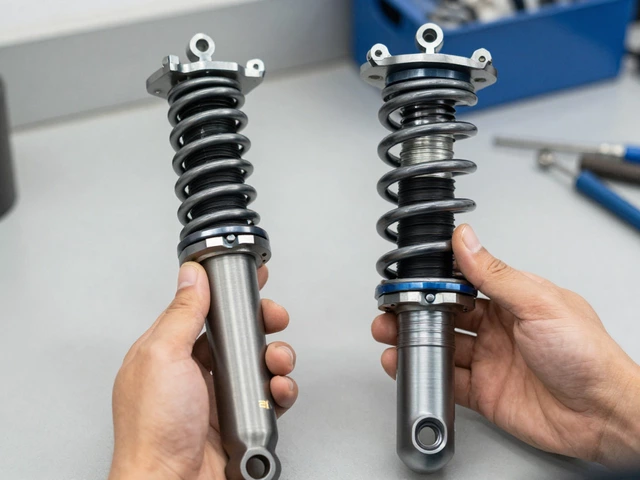
Shock absorbers only dampen spring movement and are separate from the vehicle’s structure. Struts combine the shock absorber and coil spring into one unit and act as a structural part of the suspension, supporting the vehicle’s weight and aiding steering geometry.
Does wheel alignment fix suspension problems?
No, alignment adjusts angles but does not repair worn components. If your suspension parts are damaged, an alignment won’t hold because the geometry shifts as you drive. Replace worn parts first, then get an alignment.
How much does it cost to fix suspension problems?
Costs vary widely depending on the part and labor. Replacing a single shock might cost $100-$300, while full strut assemblies can run $400-$800 per corner. Ball joints and tie rods are generally cheaper, ranging from $150-$400 including labor. Always get quotes for paired replacements.