🔧 Suspension Repair vs. Replacement Estimator
Identify the likely failed components based on common symptoms to see what can be fixed versus replaced, and get a realistic budget estimate.
1 What are you experiencing?
2 Diagnosis & Estimate
Select symptoms above and click Analyze.
Your car starts making that distinct clunking noise over bumps, or maybe it just feels like you're driving on a boat in rough water. It’s annoying, right? You pull into your driveway and wonder if you can actually fix this, or if you’re looking at a full overhaul of the entire system. The short answer is yes, most bad suspension issues can be fixed. But "fixed" doesn't always mean the same thing for every car or every symptom. Sometimes it’s a £20 part; other times, it’s a labor-intensive job that costs hundreds.
The key to saving money isn't guessing. It’s knowing exactly which component failed. A worn-out bushing is a quick swap. A collapsed spring might need a lift. And a leaking shock absorber? That usually means replacement, not repair. Let's break down what’s actually fixable, what needs replacing, and how to spot the difference before the mechanic quotes you a price that makes your eyes water.
Understanding the Core Components
To know if something is fixable, you first need to know what it does. Your suspension system isn't one single part; it’s a network of working pieces designed to keep your tires on the road while smoothing out the pavement. If you don’t know which piece is acting up, you can’t judge the repair cost.
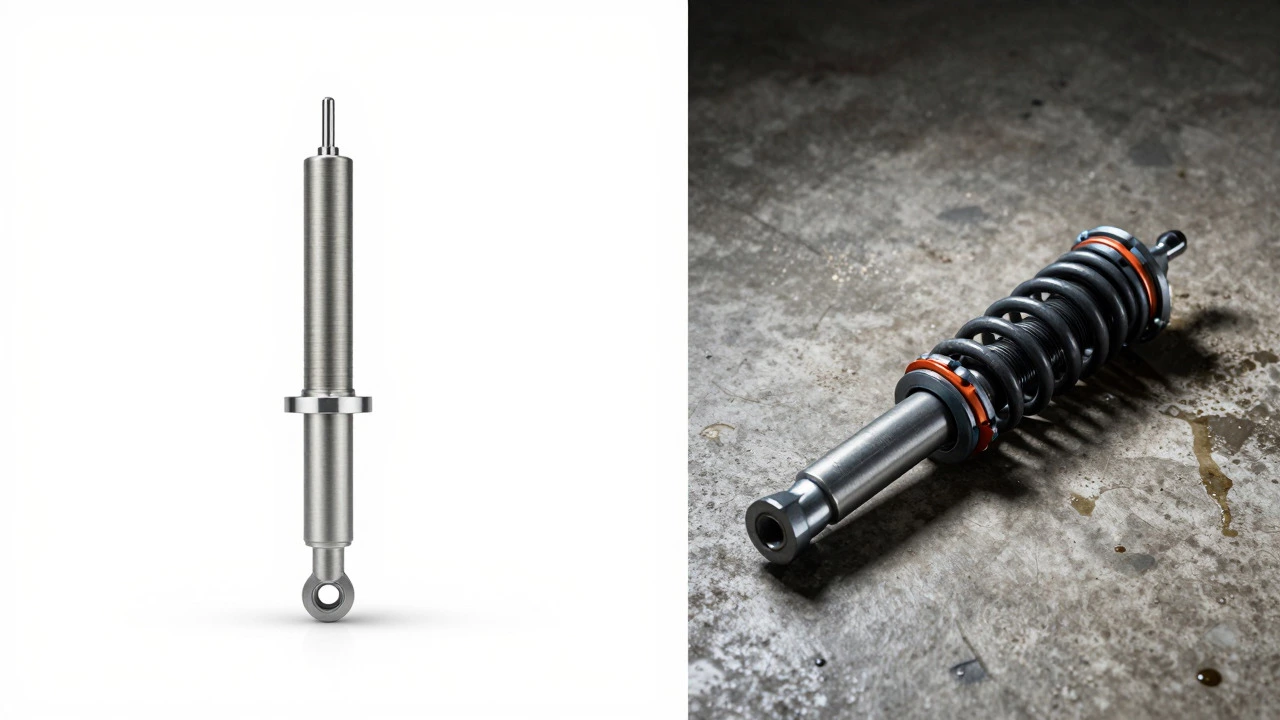
- Shock Absorbers: These dampen the bounce. Unlike springs, they don’t hold the car up; they stop the springs from oscillating forever. They are sealed units. If they leak, they’re dead.
- Coil Springs: These carry the weight of the car. They compress and expand. If one breaks, the car sits lower on that side. They can be replaced individually.
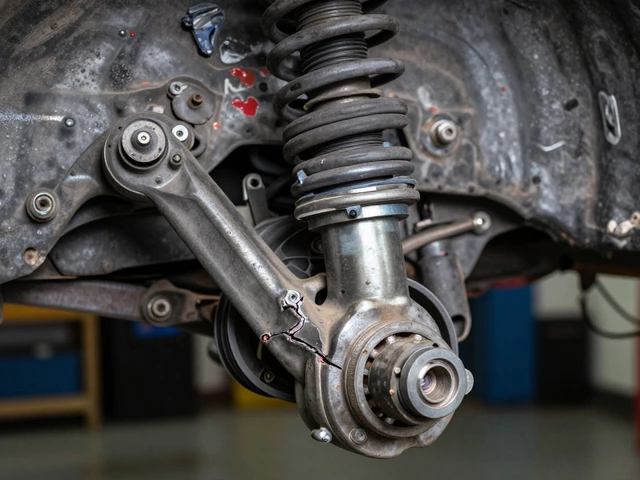
- Control Arms: These link the wheel hub to the chassis. They have rubber or polyurethane bushings that allow movement. When these bushings tear, you get clunks and wandering steering.
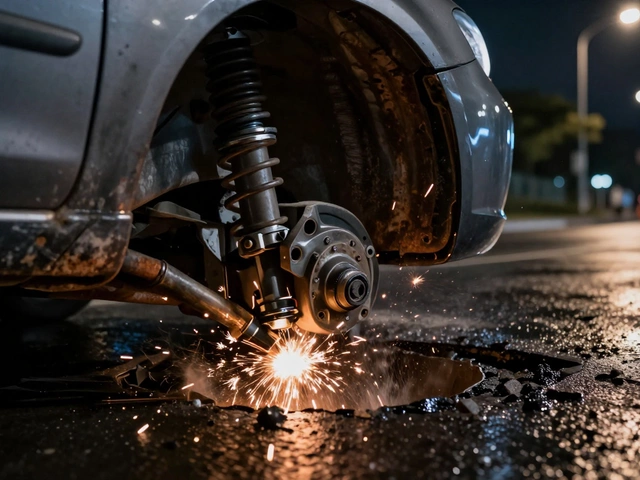
- Ball Joints: These connect the control arm to the wheel knuckle. They allow the wheel to pivot for steering and suspension travel. Worn ball joints cause knocking noises when turning or going over potholes.
- Anti-Roll Bars (Sway Bars):strong> These connect the left and right sides of the suspension to reduce body roll in corners. They use end links and bushings that can wear out independently.
Here’s the critical distinction: elastic components (springs) and damping components (shocks) behave differently than pivoting components (ball joints, control arms). This distinction dictates whether you can repair or must replace.
What Can Actually Be Repaired?
Not everything in your suspension is disposable. Some parts are designed to be serviced, not swapped. Knowing these can save you significant cash.
- Bushings on Control Arms: Instead of buying a new control arm assembly (which includes metal brackets, ball joints, and bushings), you can often press out the old rubber bushings and press in new ones. This is a common DIY job or a cheaper shop option. The metal arm itself rarely wears out unless it’s bent from an impact.
- Stabilizer Bar End Links: These small rods connecting the anti-roll bar to the strut are cheap and easy to replace. They often fail due to corrosion or torn boots. Replacing just the end links fixes the rattling without touching the main sway bar.
- Spring Perches: On some cars, the top mount where the spring sits can corrode or wear. While rare, these can sometimes be cleaned or re-seated rather than replacing the whole strut assembly.
If your issue is isolated to rubber or plastic components, you are in luck. The repair is straightforward, and the parts are inexpensive. However, if the metal structure is bent or cracked, repair is usually not worth it. Safety becomes a concern, and welding suspension parts is risky because heat weakens the steel.
When Replacement Is the Only Option
Some suspension parts are sealed systems or precision-engineered assemblies where repair is either impossible or more expensive than replacement.
| Component | Common Failure Mode | Fixable by Repair? | Typical Cost Range (UK) |
|---|---|---|---|
| Shock Absorber | Oil Leak / Loss of Damping | No (Replace only) | £150 - £400 per corner |
| Coil Spring | Breakage / Sagging | No (Replace only) | £100 - £300 per pair |
| Control Arm Bushing | Tears / Cracks | Yes (Press in new bushings) | £50 - £150 per arm |
| Ball Joint | Play / Knocking | Rarely (Usually replace arm/joint) | £80 - £200 per joint |
| Strut Mount | Corrosion / Bearing Noise | Yes (Replace bearing/mount) | £60 - £150 per corner |
Shock absorbers are the classic example. They contain gas and oil inside a sealed cylinder. If the seal fails, air gets in, and the damping ability drops. You can’t just "top up" the oil like a transmission. You buy a new unit. Similarly, coil springs are under immense tension. Replacing them requires a special tool called a spring compressor. Trying to repair a broken spring is dangerous and impractical. You replace it.
Ball joints sit in a greased housing. If the boot tears, dirt gets in, and the joint grinds. Technically, you could rebuild a ball joint with new bearings and grease, but the labor time is so high that it almost never makes sense compared to buying a new pre-assembled joint or control arm.
Diagnosing the Problem Before You Spend Money
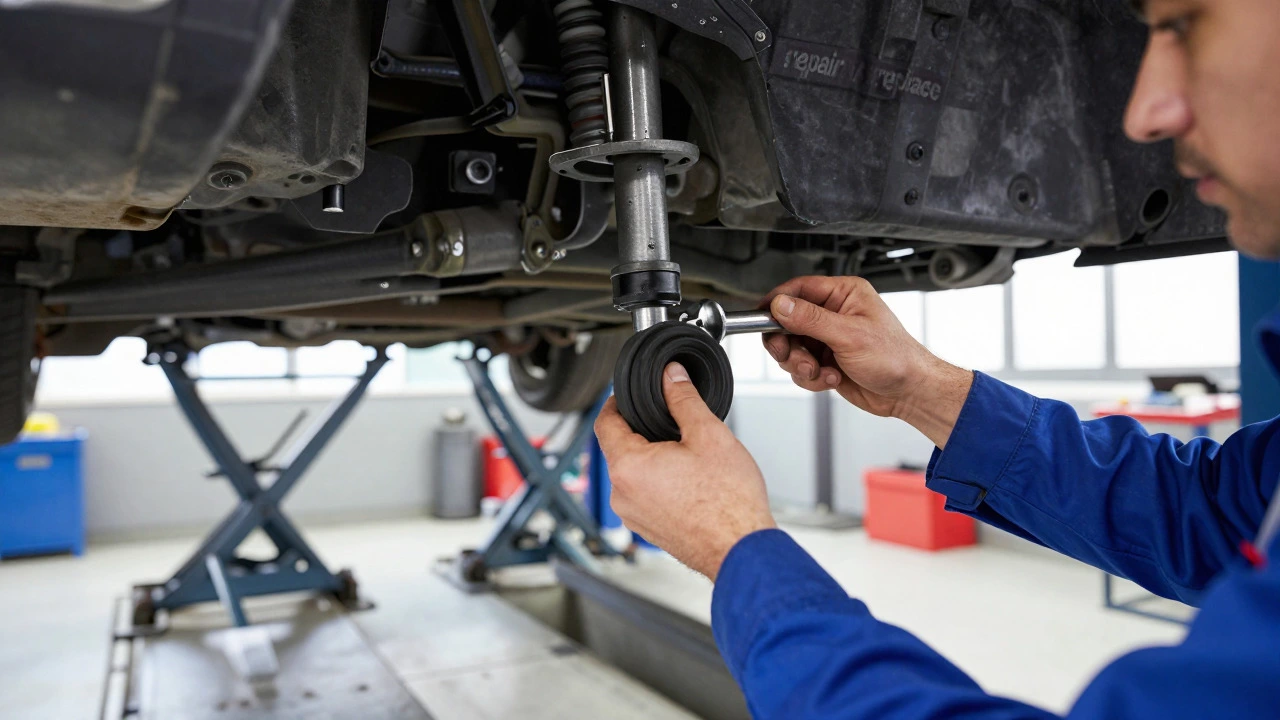
Before you head to the garage, do a basic check. You don’t need to be a mechanic to identify obvious signs. Here’s what to look for:
- The Bounce Test: Push down firmly on each corner of the car and let go. It should settle back smoothly within one or two bounces. If it keeps rocking like a jelly, your shocks are likely gone.
- Visual Inspection: Look at your wheels. Are the tire treads wearing unevenly? Feathering (one edge sharper than the other) suggests alignment issues caused by worn suspension geometry. Cupping (scalloped wear pattern) points to failing shocks.
- Listen for Clunks: Drive slowly over speed bumps. If you hear a heavy thud from the front or rear, it’s often a ball joint or a loose anti-roll bar link. If it squeaks, it might be a dry bushing or a worn strut mount.
- Check for Leaks: Shine a flashlight up under the car. If you see oily residue on the outside of the shock absorber shaft or body, it’s leaking. Note: A little dust on the shaft is normal; wet oil is not.
If you find oil on the shocks, budget for replacement. If you just hear a rattle, it might be a simple end link. This distinction saves you from paying for a full suspension overhaul when you only need a £30 part.
DIY vs. Professional Repair: What’s Safe?
Can you fix your own suspension? For many drivers, the answer is yes, but with caveats. Swapping out stabilizer bar end links or brake pads (which affect suspension feel) is manageable for a competent DIYer with basic tools. Pressing in new control arm bushings requires a specific press or a very strong C-clamp setup, but it’s doable in a home garage.
However, replacing coil-over shocks or struts is trickier. You’re dealing with high-tension springs. One mistake with a spring compressor can send a spring flying across the garage. Plus, after any suspension work, you need a professional wheel alignment. Driving with incorrect alignment ruins your new tires and puts stress on the new parts you just installed.
So, here’s the rule of thumb: If the repair involves removing a wheel and swapping a bolt-on part (like a link or bushing), consider DIY. If it involves compressing springs, balancing strut mounts, or precise torque specs on ball joints, pay a pro. The risk of injury or damaging the car isn’t worth the £100 savings.
Cost Factors and Hidden Fees
Labor is the biggest variable in suspension repair costs. In Manchester, labor rates vary, but expect to pay between £70 and £120 per hour. A simple bushing replacement might take 1-2 hours. A full strut replacement on all four corners could take 4-6 hours.
Don’t forget the hidden costs:
- Wheel Alignment: Mandatory after suspension work. Costs £50-£100.
- Parts Quality: OEM (Original Equipment Manufacturer) parts cost more but last longer. Aftermarket parts are cheaper but may wear out faster. For safety-critical items like ball joints, stick to reputable brands.
- Additional Wear: Often, when one part fails, its neighbors are also worn. If you replace a control arm, check the ball joint on the other end. Replacing both at once saves you from having to pay labor fees twice in six months.
A good mechanic will inspect the entire suspension corner before quoting you. If they only quote for the one part you complained about, ask them to check the adjacent components. It’s better to spend £300 now than £600 later when the next part fails.
Frequently Asked Questions
How long do suspension parts typically last?
It depends on driving conditions and part quality. Shock absorbers usually last 60,000 to 100,000 miles. Coil springs can last the life of the car unless hit by a deep pothole. Rubber bushings tend to degrade with age and heat, often needing replacement every 5-7 years regardless of mileage. Ball joints generally last around 70,000 miles but fail sooner on rough roads.
Is it safe to drive with a bad suspension?
Short-term, yes, but it’s risky. A bad suspension reduces tire contact with the road, increasing braking distances and causing unpredictable handling. If a part suddenly snaps (like a control arm or spring), you could lose control of the vehicle. Avoid high speeds and rough roads until repaired.
Should I replace shocks in pairs or individually?
Always replace shocks in pairs (both fronts or both rears). If one is worn, the other is likely close behind. Mixing old and new shocks creates uneven damping, leading to poor handling and uneven tire wear. It’s cheaper to do both at once since the labor cost is similar.
Can I repair a broken coil spring myself?
Technically yes, but it’s dangerous. You need a proper spring compressor rated for the load. Without it, the spring can shoot off under pressure. Most DIYers prefer to buy a new spring and use a helper or a floor jack with safety stands to remove the old one. Always wear eye protection.
Does air suspension count as repairable?
Air suspension is different. It uses air bags instead of springs. If an air bag leaks, it can often be patched or replaced individually. The air compressor and lines can also be repaired. However, the electronic height sensors and control modules are complex and usually require specialist diagnosis. It’s more expensive to fix than standard steel suspension.