Car Radiator Lifespan: How Long Do They Last and When to Replace
When your engine overheats, the car radiator, a key component in your vehicle’s engine cooling system that circulates coolant to absorb and dissipate heat. Also known as engine radiator, it’s one of the few parts that works every single time you drive—until it doesn’t. Most car radiators last between 8 and 12 years, but that’s only if you keep the coolant clean and the system free of leaks. Skip a few oil changes? Fine. Ignore a slow coolant leak? That’s how you end up with a blown head gasket and a $2,000 repair bill.
The radiator, the metal core and tanks that transfer heat from coolant to outside air doesn’t just sit there. It’s constantly under pressure, exposed to road salt, debris, and extreme temperature swings. Over time, the plastic end tanks crack, the aluminum fins corrode, and the hoses connected to it swell or harden. You won’t always see a leak. Sometimes, the radiator just stops working quietly—your temperature gauge creeps up, your heater blows cold air, and you start noticing a sweet, syrupy smell under the hood. That’s not magic. That’s your coolant, the fluid that flows through the engine and radiator to regulate temperature boiling off because the radiator can’t cool it anymore.
Your engine cooling system, the full network of hoses, water pump, thermostat, and radiator that keeps your engine at the right temperature is only as strong as its weakest part. A failing thermostat, a clogged hose, or a worn water pump can all put extra stress on the radiator. And if you’re using the wrong coolant or mixing types, you’re accelerating corrosion inside the radiator tubes. It’s not about how old the radiator is—it’s about how well it’s been cared for. A 15-year-old radiator with fresh coolant and no leaks might outlast a 5-year-old one that’s been running on tap water.
There’s no magic mileage number. Some radiators go 150,000 miles. Others fail at 60,000. It all depends on your driving habits, climate, and whether you’ve ever ignored a warning sign. If you’ve noticed puddles under your car, a rising temperature gauge, or steam coming from the hood, don’t wait for the engine to seize. Check the radiator. Look for rust spots, bulging tanks, or cracked hoses. Smell the coolant—if it’s oily or smells burnt, something’s wrong inside.
This collection of posts gives you the real, no-fluff facts on how to spot radiator trouble before it turns into a breakdown. You’ll find step-by-step guides on checking coolant levels, diagnosing leaks, and knowing when it’s time to replace the radiator instead of just topping it off. We also cover what else you might need to replace at the same time—because fixing a radiator often means dealing with the hoses, thermostat, or even the water pump. No guesswork. No myths. Just what actually works on UK roads.

How Many Years Do Car Radiators Last? Real-World Lifespan and Signs of Failure
Most car radiators last 8 to 12 years, but neglect can cut that in half. Learn the real signs of failure, how often to flush coolant, and how to avoid expensive engine damage.
November 27 2025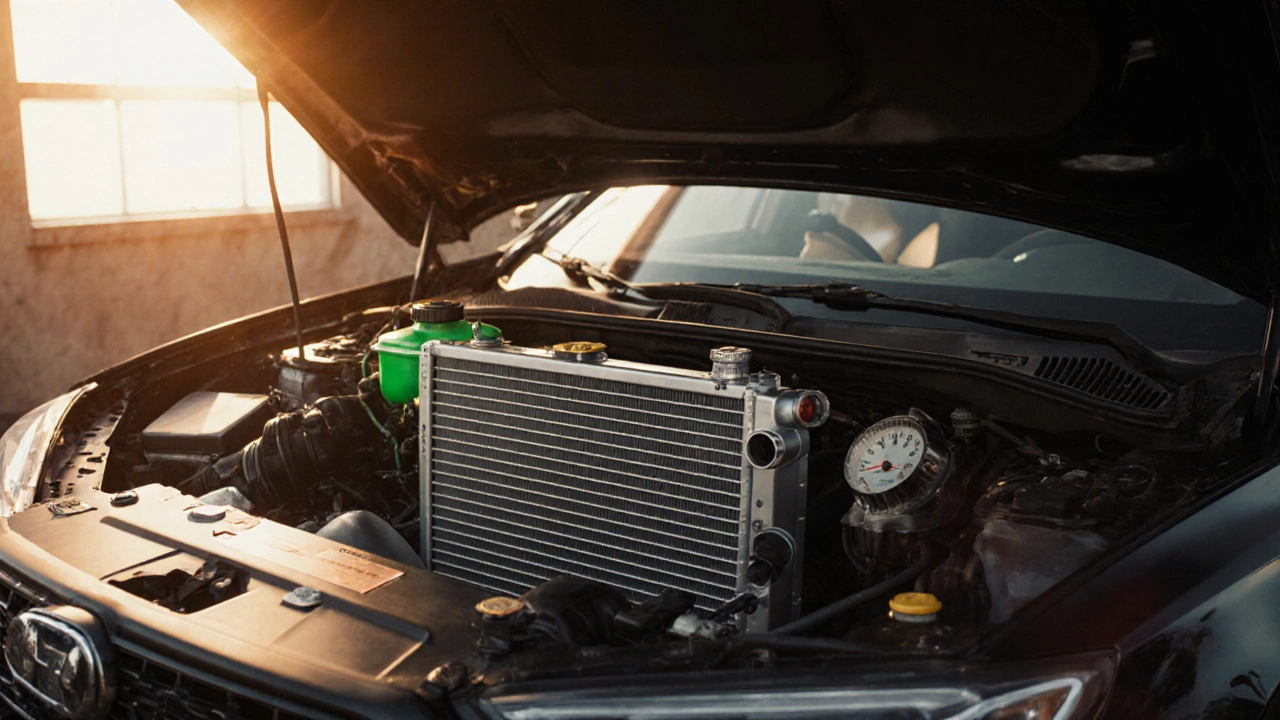
How Long Do Car Radiators Last? Expert Guide to Lifespan and Maintenance
Learn how long car radiators typically last, what affects their lifespan, and how to maintain them to avoid costly replacements.
October 19 2025