Average Clutch Mileage: How Long Should Your Clutch Last?
When it comes to your car’s clutch, a mechanical component that connects the engine to the transmission, allowing you to shift gears smoothly. Also known as a clutch assembly, it’s one of those parts you don’t think about until it fails—and then it’s expensive and inconvenient. Most drivers expect their clutch to last as long as the engine, but that’s not how it works. The average clutch mileage in the UK sits between 60,000 and 100,000 miles, but that number can drop to 30,000 or climb past 150,000 depending on how you drive.
What really wears out a clutch isn’t time—it’s how you use it. If you ride the clutch pedal while waiting at traffic lights, slip it to get moving on hills, or frequently rev high in low gears, you’re cooking it. On the flip side, smooth take-offs, letting the clutch fully engage before accelerating, and avoiding unnecessary gear changes can stretch its life. The flywheel, the heavy metal disc that connects to the engine and works with the clutch to transfer power also plays a big role. If it’s worn or warped, it’ll eat through a new clutch fast. That’s why many mechanics recommend replacing the pressure plate, the part that clamps the clutch disc against the flywheel and the release bearing, the component that disengages the clutch when you press the pedal at the same time as the clutch kit. Skipping these can mean a new clutch fails in under 10,000 miles.
It’s not just about mileage either. Stop-and-go city driving wears clutches faster than highway cruising. Heavy loads, towing, and aggressive driving all add stress. Even the type of clutch matters—stock clutches in economy cars are built for efficiency, not durability, while performance clutches in sports cars are tougher but more sensitive to misuse. You won’t always hear a warning. Sometimes it’s just a spongy pedal, a delay when shifting, or the engine revving without acceleration. If your clutch starts acting up before 50,000 miles, it’s not normal—it’s a sign of bad habits or a faulty part.
Knowing the average clutch mileage helps you plan ahead. Don’t wait for it to fail on the motorway. Keep an eye on how the car feels when you shift, and if you notice anything off, get it checked. Replacing a clutch is a big job, but catching wear early saves you from bigger bills and dangerous situations. Below, you’ll find real-world guides on what to replace with your clutch, how to spot early signs of failure, and how to make sure your next one lasts as long as possible.
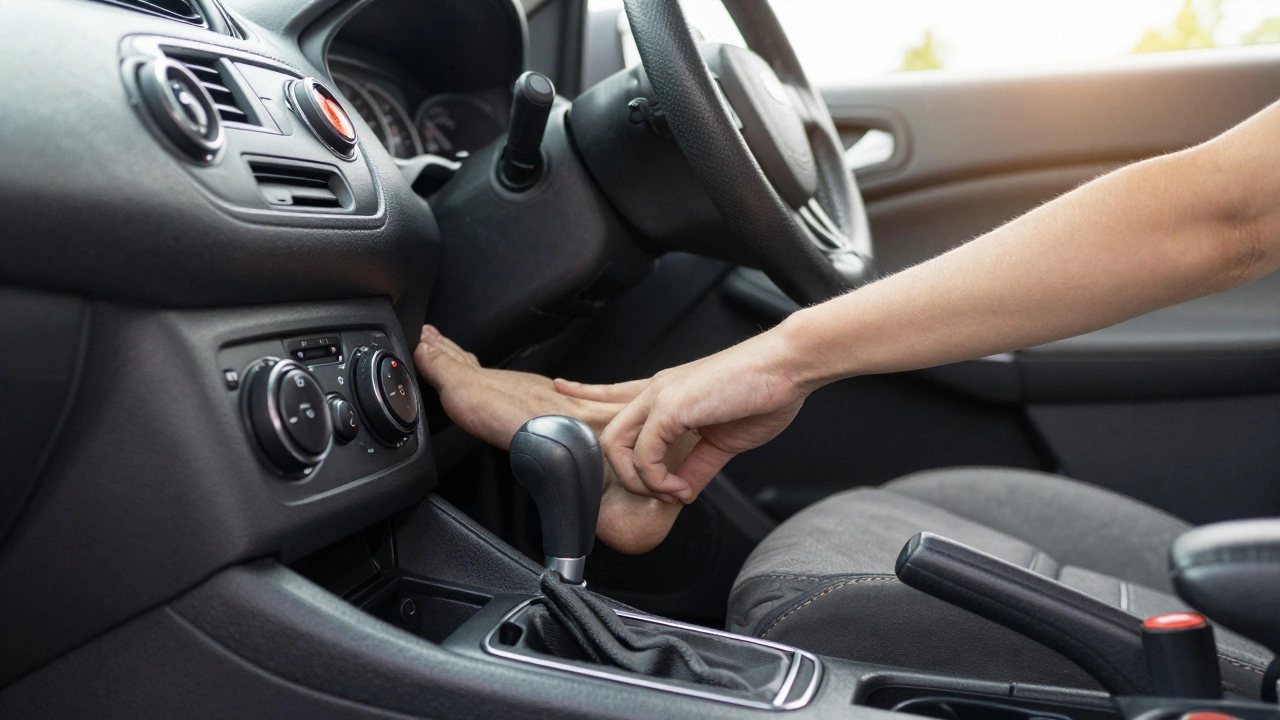
What Is the Average Life of a Clutch? Real-World Expectations and How to Extend It
Most clutches last 60,000 to 100,000 miles, but driving habits can cut that in half. Learn the real signs of wear, how to extend clutch life, and what to look for in a replacement kit.
December 4 2025