Clutch Lifespan Estimator
Vehicle & Driving Profile
Estimated Status
Fill out the form to see your estimated clutch health score and remaining lifespan.

100%
Remaining Friction Material Estimate
Est. Total Lifespan
--
Est. Remaining Miles
--
Signs to Watch For:
- • Slipping under acceleration (high revs, low speed gain)
- • Burning smell after stops
- • High bite point (engages near top of pedal)
You’re cruising down the M60, the traffic is thick, and you feel that familiar slip when you try to accelerate onto the motorway. Your heart sinks. You know what that means: your clutch is on its way out. But how long do you actually have before it fails completely? Is it next week? Next month? Or are you just being paranoid?
The short answer is frustratingly vague: anywhere between 50,000 and 100,000 miles. But that range is useless if you don’t know where you fit in. A clutch’s life isn’t determined by a clock ticking; it’s determined by how you drive, what you drive, and how well you maintain it. Let’s break down exactly what dictates the lifespan of your clutch kit, so you can predict when you’ll need to open your wallet.
The Real Numbers: What to Expect
Most manufacturers design clutches to last around 75,000 to 80,000 miles under normal conditions. If you’re driving a modern diesel hatchback with decent fuel economy, you might hit 100,000 miles without touching the pedal assembly. However, if you’re behind the wheel of a high-torque sports car or a heavy commercial van, expect the friction material to wear out much faster-sometimes as early as 30,000 miles.
Why the huge variance? It comes down to heat and pressure. Every time you engage the clutch disc, you’re creating friction to transfer engine power to the gearbox. Friction creates heat. Heat degrades the organic materials in the friction plate. Once those materials thin out, the connection slips, and your acceleration suffers.
| Vehicle Type | Typical Lifespan (Miles) | Primary Wear Factor |
|---|---|---|
| Economy Hatchback | 80,000 - 120,000 | Stop-start traffic |
| Sports Car / Hot Hatch | 40,000 - 60,000 | High torque launch |
| Pickup Truck / Van | 50,000 - 80,000 | Towing weight |
| Classic Car | Varies widely | Maintenance history |
Driving Habits That Kill Clutches
Your foot is the biggest enemy of your clutch. Mechanics see the same mistakes over and over again. If you want to double your clutch life, stop doing these three things immediately.
Riding the Clutch: This is the classic learner driver mistake that sticks with people forever. Keeping your foot lightly resting on the clutch pedal while driving prevents the pressure plate from fully engaging. The result is constant micro-slipping, which generates excessive heat and wears down the friction surface rapidly. Keep your left foot on the floor unless you are actively changing gears.
Launching Too Hard: We all love a spirited start, but dumping the clutch at high RPMs puts immense stress on the flywheel and disc. In a standard road car, this isn’t necessary. Smooth engagement saves money. If you’re driving a performance vehicle, remember that aggressive launches trade longevity for thrill. You’re essentially burning through the consumable part of the drivetrain.
Using the Clutch to Hold Position: Stopping on a hill? Don’t hold the car back with the clutch. Use the handbrake. Holding the car stationary against gravity using only clutch friction causes rapid localized wear on the contact patch. It’s an unnecessary strain that adds up over thousands of stops.
Signs Your Clutch Is Failing
Clutches rarely fail instantly. They give you warnings first. Recognizing these signs early can save you from being stranded on the hard shoulder.
- Slipping: You press the accelerator, the engine revs climb, but your speed doesn’t increase proportionally. This is the most common symptom. It’s worse going uphill or in higher gears (like 4th or 5th).
- Hard Shifting: Gears grind or refuse to go into place. This often points to a failing hydraulic slave cylinder or low fluid levels rather than the disc itself, but it leads to premature clutch wear if ignored.
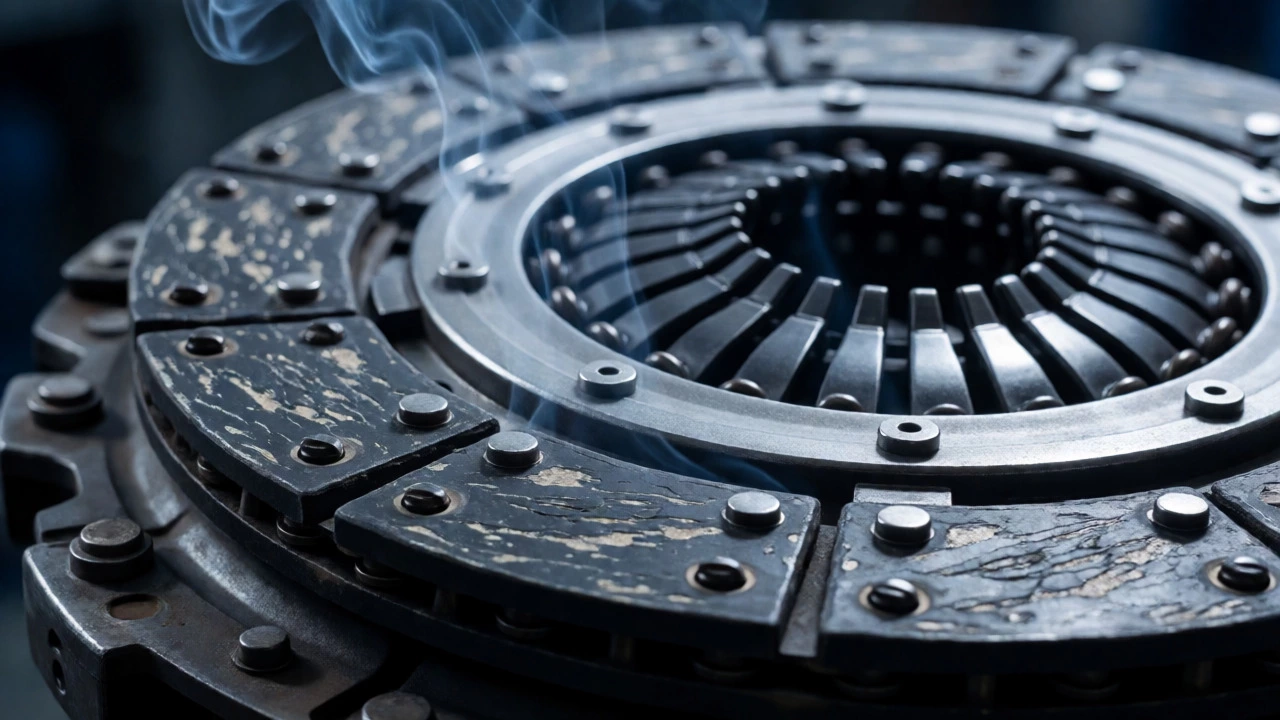
- Burning Smell: A distinct acrid odor similar to burnt toast or overheated brakes. This indicates the friction material is literally cooking due to slipping.
- Chattering: The pedal vibrates or shudders when you release it slowly. This usually means the pressure plate diaphragm spring is unevenly worn or warped.
- High Bite Point: If you notice the clutch engages right at the very top of the pedal travel, the friction material is likely worn thin. A healthy clutch usually bites in the middle third of the pedal stroke.
Environmental and Mechanical Factors
It’s not just about how you drive; it’s about what happens inside the bell housing. Contamination is a silent killer. If your rear main seal or gearbox input shaft seal leaks oil onto the clutch disc, the friction properties change drastically. Oil-soaked clutches slip violently and must be replaced. No amount of driving technique will fix a contaminated disc.
Heat management plays a role too. In heavy stop-and-go traffic, like the rush hour crawl into Manchester city centre, the clutch operates in a semi-engaged state more frequently. This keeps temperatures high. Conversely, highway driving allows the components to cool. If you live in a hilly area, such as the Pennines, frequent climbing in lower gears increases load and heat compared to flat terrain.
The quality of the clutch kit matters significantly. Original Equipment Manufacturer (OEM) parts are designed for a balance of durability and comfort. Aftermarket kits vary wildly. Cheap budget kits often use harder, less durable friction materials that wear quickly or cause harsh engagement. Premium brands like Sachs, LUK, or Valeo offer engineered solutions that match or exceed OEM specs, often extending life by 20-30% if installed correctly.
Extending Your Clutch Life
You can’t change the laws of physics, but you can change your behavior. Here is a practical checklist to maximize mileage:
- Plan Ahead: Look further down the road. Anticipate stops so you can coast in gear rather than braking late and rushing the clutch.
- Use Neutral at Long Stops: At traffic lights lasting more than 30 seconds, pop the car into neutral and release the pedal. This rests the throw-out bearing and pressure plate.
- Check Fluid Levels: For hydraulic systems, ensure the clutch fluid reservoir is full. Low fluid introduces air, leading to poor disengagement and dragging discs.
- Avoid Overloading: Respect your vehicle’s towing capacity. Exceeding it forces the clutch to work harder than designed, generating excess heat.
- Service Regularly: While the clutch itself has no scheduled service interval, checking for leaks during routine maintenance catches issues before they destroy the new kit.
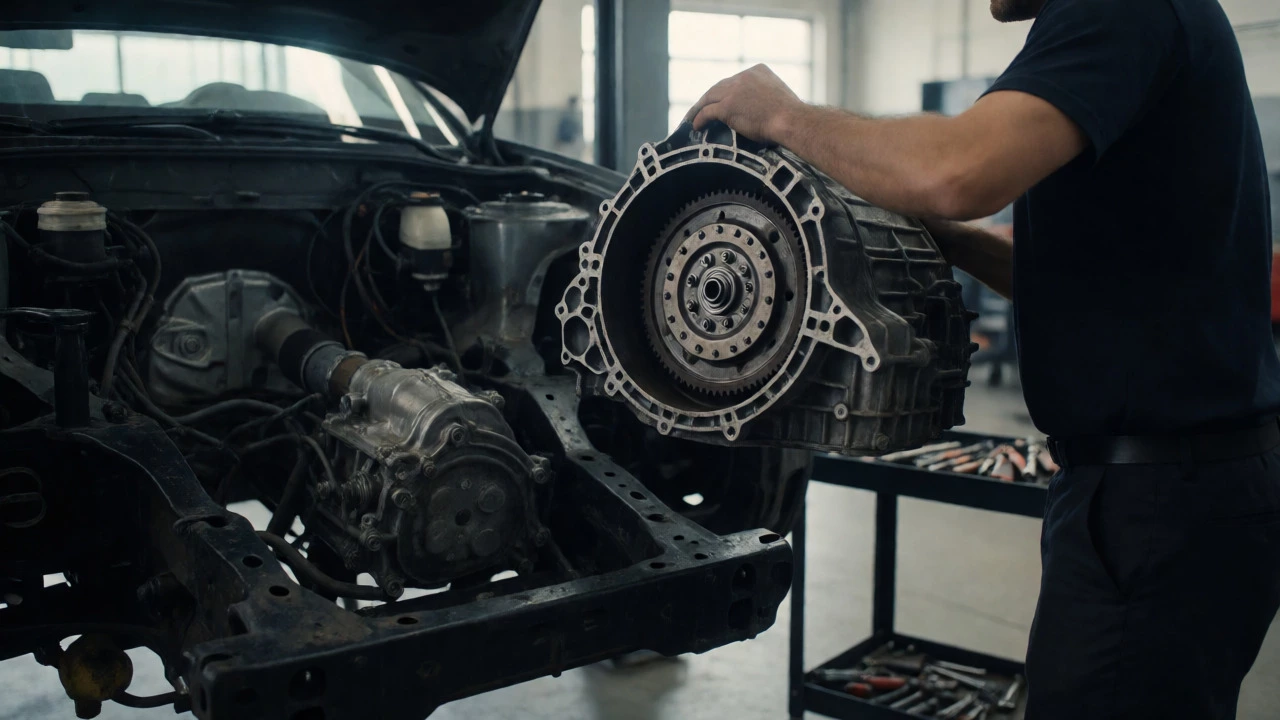
Replacing a clutch is labor-intensive because the gearbox must be removed. Because of this high labor cost, many mechanics recommend replacing the flywheel and release bearing at the same time. Resurfacing a dual-mass flywheel is possible but risky; if it fails later, you pay for the labour twice. Replacing the entire kit ensures the system works harmoniously.
Can I drive with a slipping clutch?
You can drive short distances, but it’s risky. Slipping generates extreme heat that can warp the flywheel and damage the gearbox input shaft bearings. If the slip is severe, you may lose power entirely on hills, leaving you stranded. Limit driving until repairs are made.
Does automatic transmission have a clutch?
Traditional automatics use torque converters, which are fluid couplings, not friction clutches, so they generally last longer. However, Dual-Clutch Transmissions (DCTs) like DSG or PDK use actual dry or wet clutches similar to manuals. These can wear out similarly to manual clutches, especially in heavy traffic.
How much does it cost to replace a clutch?
In the UK, costs vary by vehicle complexity. Parts typically range from £150 to £400. Labour is significant, often taking 4-8 hours, costing £300 to £600. Total bills commonly fall between £500 and £1,200. Luxury or 4WD vehicles cost more due to additional drivetrain components.
Is it worth repairing an old clutch?
Generally, no. Clutch repair involves replacing the friction disc, which requires removing the transmission anyway. Since the labour cost dominates the price, it makes little financial sense to reuse old components like the pressure plate or flywheel if they show any sign of wear. Replacement is almost always the better option.
What causes a clutch to burn out quickly?
The primary causes are riding the clutch, aggressive launching, and towing beyond capacity. Mechanical failures like a leaking seal contaminating the disc with oil also cause rapid failure. Poor installation, such as incorrect alignment during fitting, can lead to immediate premature wear.