Clutch Upgrade Decision Tool
There is a persistent myth in the automotive world that swapping your clutch will magically squeeze more power out of your engine. You see it on forums, hear it from friends at the track day, and maybe even read it on a product page that’s trying to sell you a high-performance part. The short answer is no. A clutch kit does not add horsepower (HP). It doesn’t change how much fuel your engine burns, how efficiently it ignites that fuel, or how big the pistons are. If you install a new clutch and feel like the car is faster, something else is happening-and understanding that difference is crucial before you spend your money.
The Physics of Horsepower vs. Torque Handling
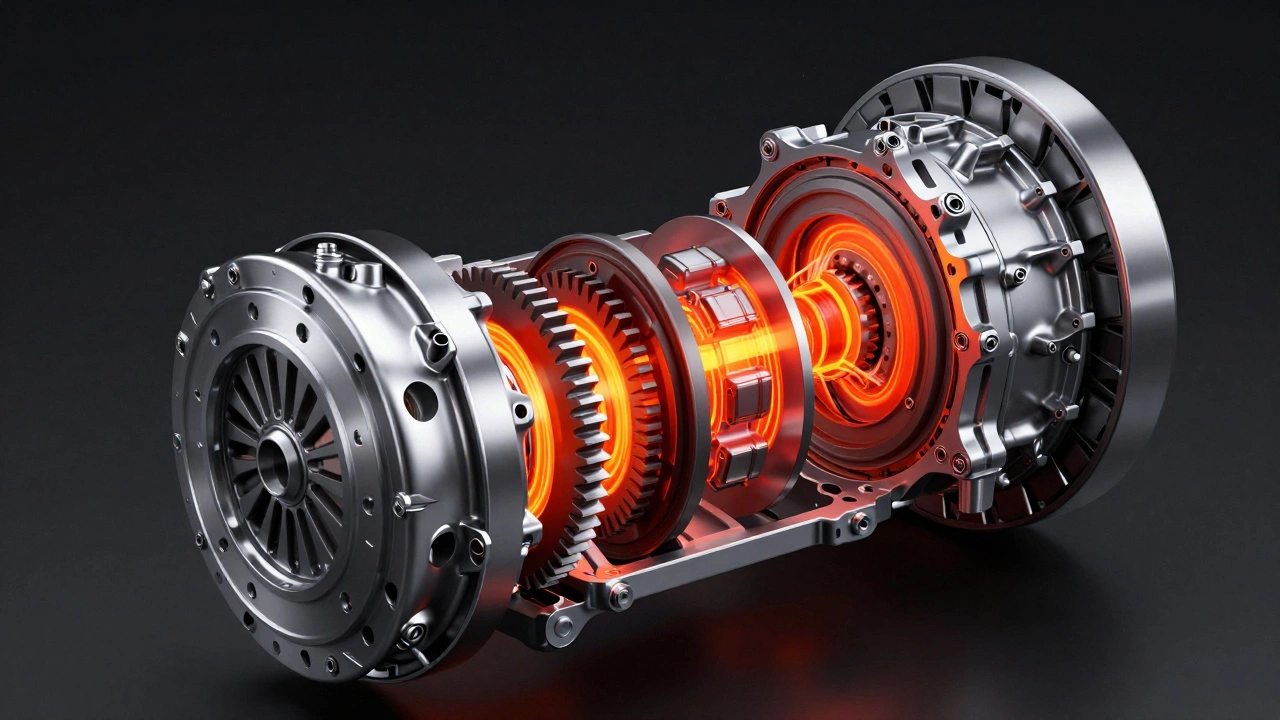
To understand why a clutch doesn’t create power, we have to look at where power actually comes from. Horsepower is a measure of work done over time. In an internal combustion engine, this work is generated by the explosion of air and fuel inside the cylinders. Components like the engine block, camshafts, intake manifold, and exhaust system dictate how much energy is created. A clutch is simply a coupling device. Its job is to connect the rotating engine to the stationary transmission, allowing you to shift gears smoothly.
Think of it like a bicycle chain. If you pedal harder, you generate more power. But if you swap the chain for a thicker, stronger one, you don’t suddenly become a better cyclist. You just reduce the risk of the chain snapping when you hit a steep hill. Similarly, a clutch kit manages torque. Torque is the twisting force that makes your wheels turn. When you modify an engine to produce more horsepower, it also produces more torque. A stock clutch might not be able to handle that extra twist, leading to slippage. A performance clutch handles the existing torque better; it doesn’t create new torque.
Why It Feels Like You Gained Power
If the clutch doesn’t add HP, why do drivers swear their cars accelerate faster after installing a performance clutch? There are three main reasons for this perception, and they all relate to efficiency rather than generation.
1. Elimination of Slippage If your old clutch was worn out, the friction material was likely glazed or thin. This caused the clutch disc to slip against the flywheel during acceleration. Energy was being lost as heat instead of being transferred to the wheels. Replacing it with a fresh kit restores 100% of the power transfer. You aren’t gaining new power; you’re reclaiming the power your engine was already making but losing due to wear.
2. Faster Engagement High-performance clutches often have stiffer pressure plates. This means they engage more abruptly and firmly. When you launch from a stop, there is less "bite point" travel and less hesitation. The car feels snappier because the mechanical connection is immediate. This reduced lag can make a huge difference in 0-60 mph times, even if the peak horsepower remains identical.
3. Driver Confidence With a stronger clutch, you can push the car harder without worrying about the clutch slipping under load. You might downshift more aggressively or rev higher knowing the drivetrain won’t fail. This psychological boost allows you to drive closer to the car’s actual limits, which can feel like a power increase.
Types of Clutch Kits and Their Real Impact
Not all clutch kits are created equal. Understanding the differences helps you choose the right tool for your specific driving style. Here is how different types affect your driving experience:
| Type | Torque Capacity | Streetability | Primary Use Case |
|---|---|---|---|
| OEM Replacement | Stock Levels | Excellent | Daily driving, restoring lost efficiency |
| Single Plate Performance | 10-20% Increase | Good | Mild engine mods, spirited street driving |
| Multi-Disc (Dual/Triple) | 50-100%+ Increase | Poor (Heavy Pedal) | Drag racing, high-horsepower builds |
| Ceramic/Friction Material | Variable | Moderate | Heat resistance, track days |
An OEM replacement clutch is designed to match the factory specifications exactly. It’s perfect if you just want your car to drive like it did when it left the dealership. On the other end of the spectrum, a multi-disc clutch adds extra friction surfaces to handle massive amounts of torque. These are common in drag cars or vehicles with superchargers and turbos that produce well over 500 HP. However, they come with trade-offs: heavy clutch pedals, harsh engagement, and potential damage to the transmission if misused.

The Hidden Costs of Upgrading Your Clutch
Before you rush to buy a high-performance clutch, consider the side effects. A clutch is part of a delicate ecosystem within your drivetrain. Changing one component affects others.
Flywheel Compatibility Most performance clutches require a new flywheel. Stock flywheels are made of cast iron and can warp or crack under the increased pressure of a performance clutch. Many upgrades include a lightweight steel or aluminum flywheel. A lighter flywheel reduces rotational mass, allowing the engine to rev up and slow down more quickly. This *does* improve throttle response and can shave tenths of a second off acceleration times, but it’s the flywheel doing the work, not the clutch itself.
Transmission Stress A stiffer clutch puts more stress on the gear teeth and synchronizers in your transmission. If you slam into gear every time you shift, you’ll wear out your transmission faster. High-torque clutches demand smoother shifting techniques. Drivers often need to adapt their footwork to avoid grinding gears or stripping synchronizers.
Daily Drivability Have you ever tried to move a grand piano? That’s what a heavy-duty clutch pedal can feel like. For daily commuting, sitting in traffic with a stiff clutch can be exhausting. If you plan to keep the car as your primary vehicle, a mild single-disc upgrade is usually the sweet spot between performance and comfort.
When Should You Actually Upgrade?
So, when does it make sense to invest in a new clutch kit? Here is a practical checklist to help you decide:
- You’ve Modified the Engine: If you’ve installed a turbocharger, supercharger, or upgraded camshafts that increase torque by more than 15%, your stock clutch will likely slip. An upgrade is necessary to protect your investment.
- You Drive on the Track: Track driving generates immense heat. Stock organic friction materials can fade or glaze under repeated hard braking and acceleration. Ceramic or Kevlar-lined clutches resist heat better and maintain consistent grip.
- Your Current Clutch is Worn: If you smell burning friction material, notice RPM flare during shifts, or find it hard to get into first gear, your clutch is failing. Replacing it restores performance, even if it doesn’t add new HP.
- You Want Better Launch Control: If you enjoy drag racing or quick launches, a performance clutch with a sharper bite point gives you more control over wheel spin.
Alternatives for Adding Actual Horsepower
If your goal is genuinely to increase horsepower, look elsewhere in the engine bay. A clutch is a supporting actor, not the star. To add real power, consider these modifications:
- Forced Induction: Turbochargers and superchargers force more air into the engine, allowing it to burn more fuel and create more explosions. This is the most effective way to gain significant HP.
- Intake and Exhaust Upgrades: Improving airflow with a cold air intake and a high-flow exhaust reduces restriction, helping the engine breathe easier. This yields modest gains but improves throttle response.
- ECU Tuning: Reprogramming the Engine Control Unit (ECU) optimizes fuel maps and ignition timing. This can unlock hidden power, especially if you’ve already installed hardware mods.
- Weight Reduction: While this doesn’t add HP, removing weight improves the power-to-weight ratio. A lighter car accelerates faster with the same amount of power, mimicking the effect of a more powerful engine.
Maintenance Tips for Longevity
Whether you stick with a stock clutch or upgrade to a performance unit, proper maintenance extends its life. Avoid riding the clutch-keeping your foot resting on the pedal while driving causes unnecessary wear. Learn to heel-toe downshift to balance engine speed with transmission speed, reducing strain on the drivetrain. And remember, a clutch is a wear item. No matter how good it is, it will eventually need replacement. Treat it well, and it will serve you reliably for years.
Can a lightweight flywheel add horsepower?
No, a lightweight flywheel does not add horsepower. It reduces rotational inertia, which allows the engine to rev up and down more quickly. This improves throttle response and acceleration feel, but the actual power output of the engine remains unchanged.
Will a performance clutch damage my transmission?
It can, if used improperly. Performance clutches engage more abruptly, putting higher shock loads on the transmission gears and synchronizers. Smooth shifting techniques are essential to prevent premature wear or failure.
How do I know if my current clutch needs replacing?
Signs include a burning smell, difficulty shifting into gears, RPM flaring during acceleration, a clutch pedal that sits too low or feels spongy, and visible vibration when engaging the clutch.
Is a ceramic clutch better than an organic one?
Ceramic clutches offer better heat resistance and higher torque capacity, making them ideal for track use or high-power engines. Organic clutches are smoother and easier to live with in daily driving conditions but may overheat under extreme stress.
Do I need to replace the throw-out bearing with a new clutch?
Yes, it is highly recommended. The throw-out bearing is inexpensive compared to the labor required to access it. Since it wears out over time, replacing it prevents future failures and ensures smooth clutch operation.