Clutch Health Diagnostic Tool
Check all boxes that apply to your current driving experience.
Select symptoms and click Analyze to see your diagnosis.
You press the pedal to change gears, but the engine revs higher without the car speeding up. It feels like the power is leaking somewhere. If this happens, your clutch is likely failing. This isn't just an inconvenience; it’s a warning that your vehicle's connection between the engine and wheels is breaking down.
Ignoring these signs can lead to being stranded on the side of the road or causing expensive damage to your transmission. Knowing exactly what to look for saves you money and stress. Here is how to tell if your car needs a new clutch kit.
The High Revs, Low Speed Test
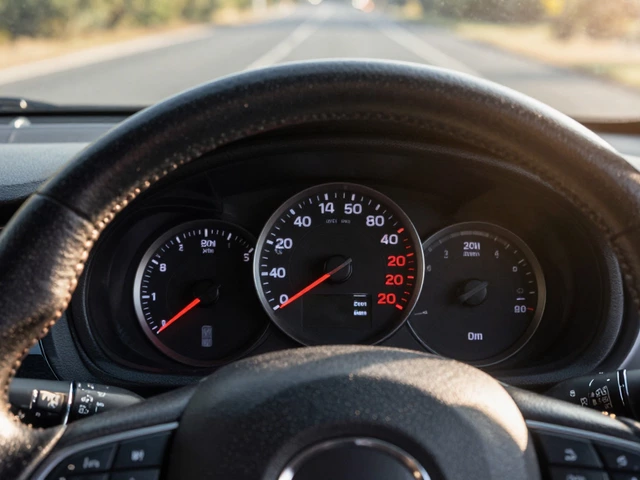
The most common symptom of a failing clutch is called "slipping." Imagine you are driving in third gear at 40 mph. You tap the accelerator to overtake a slower vehicle. Normally, the car should surge forward. Instead, the engine noise gets louder, the RPM gauge jumps from 3,000 to 4,500, but the speedometer barely moves. The engine is working hard, but that power isn't reaching the wheels.
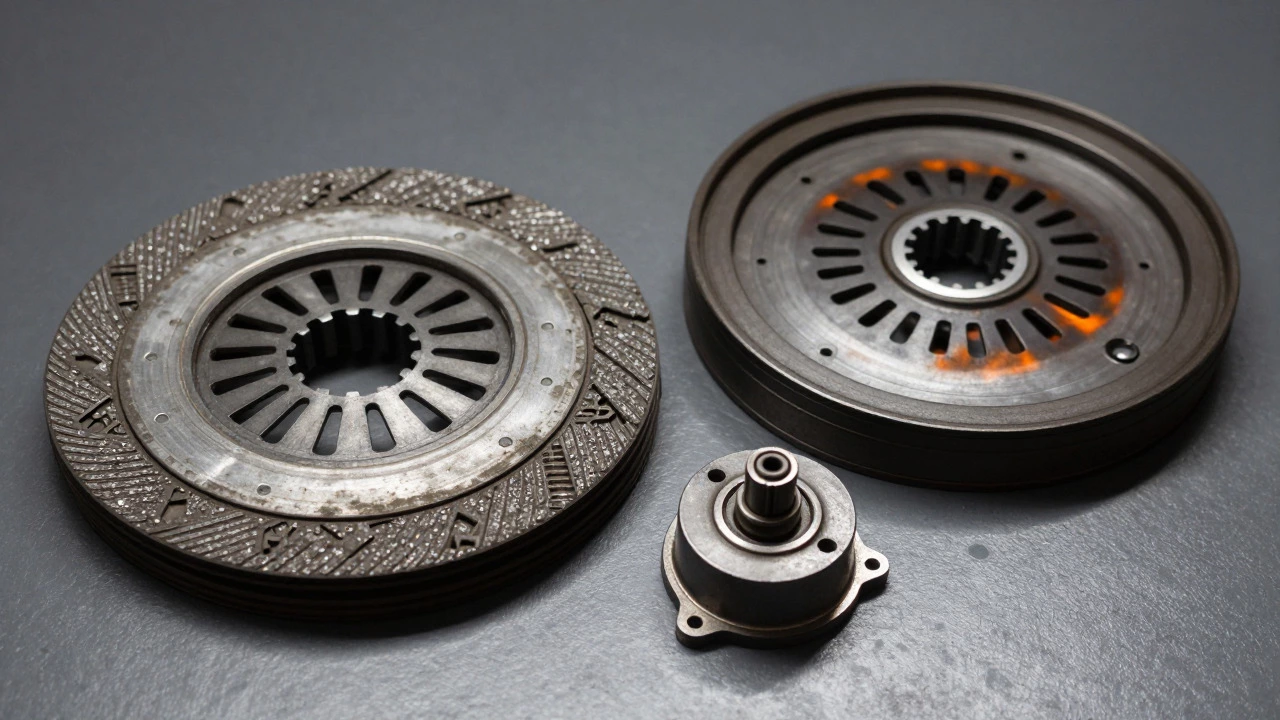
This happens because the friction material inside the clutch disc has worn thin. It can no longer grip the flywheel tightly enough to transfer torque. If you notice this happening frequently, especially in lower gears or when climbing hills, your clutch is slipping. A quick test is to drive in a high gear (like fourth) at a low speed (around 20-25 mph). If the car shudders violently or stalls immediately, the clutch plate is severely worn.
The Pedal Feels Different
Your foot knows something is wrong before your brain does. Pay attention to the feel of the clutch pedal. In a healthy system, the pedal has a consistent resistance. When the clutch starts to fail, the pedal behavior changes in specific ways.
- Spongy or Soft: If the pedal feels mushy and sinks all the way to the floor with little resistance, you might have air in the hydraulic system or a leak in the slave cylinder. While this might not mean the friction disc is gone, it means the mechanism won't disengage properly, leading to gear grinding.
- Sticky or Stiff: If the pedal sticks near the floor and doesn't return smoothly to its resting position, the release bearing or the pivot points may be seized. This prevents the clutch from fully engaging, causing premature wear.
- No Bite Point: The "bite point" is where the car starts to move as you slowly lift the pedal. If this point becomes very high (near the top of the pedal travel) or disappears entirely, the clutch disc is worn down to the rivets.
Gears Grind or Refuse to Engage
Have you ever tried to shift into second gear and heard a loud crunching noise? Or worse, the gear lever slips right back into neutral? This is often caused by incomplete disengagement. When you press the clutch pedal, it should separate the engine from the gearbox. If the release bearing is worn or the hydraulic pressure is low, the gears keep spinning against each other.
This grinding is particularly noticeable when shifting from first to second or when trying to reverse. If you find yourself having to double-clutch (pressing the pedal, shifting to neutral, releasing, then pressing again to engage the next gear) to make the shift smooth, your clutch system is struggling. This is a clear sign that the internal components are failing to do their job.
Unusual Noises and Vibrations
A healthy clutch is quiet. Any new noise coming from under the dashboard or the center of the car deserves attention. Listen closely when you press and release the pedal.
If you hear a squealing or chirping sound only when the pedal is depressed, the throw-out bearing (also known as the release bearing) is likely dry or damaged. This bearing spins constantly when the pedal is pressed. If ignored, it can seize and destroy the clutch fork.
Another red flag is a rumbling or buzzing vibration felt through the seat or steering wheel when the car is idling in neutral with the clutch pedal released. This usually indicates a problem with the pilot bearing in the crankshaft or the input shaft bearing. These vibrations get worse over time and can lead to catastrophic failure if the bearing seizes while driving.
Burning Smell After Driving
Have you ever smelled something like burning brakes after a long drive? That distinct, acrid odor is often burning clutch friction material. When the clutch slips, the friction between the disc and flywheel generates intense heat. This heat burns the organic materials in the clutch lining.
This smell is common in stop-and-go traffic or after aggressive driving. However, if you smell it during normal cruising, your clutch is slipping significantly. The heat warps the flywheel surface, making it even harder for the new clutch to grip once installed. This is why replacing the flywheel along with the clutch kit is often recommended by mechanics.
When to Replace: The Decision Matrix
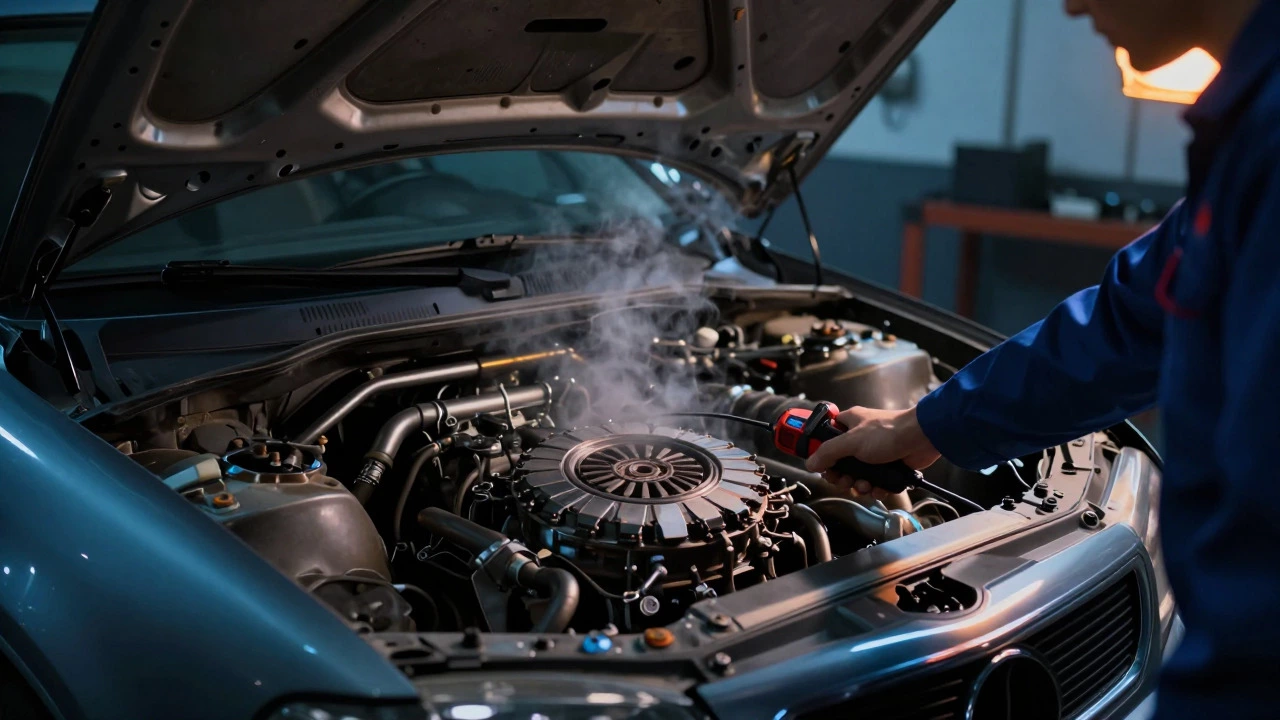
Not every weird noise means you need a full replacement. Use this checklist to decide your next step.
| Symptom | Likely Cause | Action Required |
|---|---|---|
| High RPMs, low speed increase | Worn clutch disc | Replace clutch kit immediately |
| Pedal goes to floor, soft feel | Hydraulic leak or air in lines | Check fluid levels, bleed system, inspect cylinders |
| Squeal when pedal pressed | Failing throw-out bearing | Replace bearing (usually requires full kit) |
| Gear grinding on engagement | Incomplete disengagement | Inspect linkage, hydraulics, and alignment |
| Vibration in neutral | Pilot or input shaft bearing | Replace bearings during clutch service |
If your car has over 60,000 miles (100,000 km) and shows any of these symptoms, don't delay. Clutches rarely last forever. In city driving with heavy traffic, they may wear out faster. Replacing the entire kit-disc, pressure plate, and release bearing-at once is more cost-effective than fixing parts individually, as labor costs are the same for removing the gearbox either way.
Preventing Premature Failure
While wear is inevitable, bad habits kill clutches early. Avoid riding the clutch (keeping your foot resting on the pedal while driving). This causes constant partial engagement, generating heat and wear. Also, try not to rest your foot on the pedal while stopped in traffic; use the handbrake instead. Smooth, decisive shifts prolong the life of the friction materials. If you tow heavy loads or drive in hilly areas, expect to replace your clutch sooner than the average driver.
How much does it cost to replace a clutch kit?
The cost varies widely depending on your vehicle. For a standard compact car, parts might cost £200-£400, but labor can add another £300-£600 since the transmission must be removed. Luxury cars or those with dual-clutch transmissions can cost significantly more, often exceeding £1,500. Always get a quote that includes both parts and labor.
Can I drive with a slipping clutch?
You can drive short distances to a mechanic, but avoid highway speeds or heavy acceleration. A slipping clutch generates extreme heat, which can warp the flywheel or cause the clutch disc to break apart completely, leaving you stranded. It is not safe for long trips.
Should I replace the flywheel with the clutch?
Yes, it is highly recommended. The old flywheel has heat spots and grooves from the old clutch. Installing a new clutch on an old, uneven flywheel will cause the new clutch to slip and wear out quickly. Resurfacing or replacing the flywheel ensures a smooth, long-lasting installation.
How long does a clutch last?
There is no fixed mileage. Some clutches last 100,000 miles, others fail at 30,000. It depends on driving style, traffic conditions, and vehicle weight. City drivers who stop and start frequently will wear out their clutches much faster than highway commuters.
What is included in a clutch kit?
A standard clutch kit includes the clutch disc, the pressure plate, and the release bearing (throw-out bearing). Some kits also include a pilot bushing or alignment tool. These three components work together to engage and disengage the engine from the transmission.