Clutch Health & Cost Estimator
Vehicle & Driving Profile
Diagnostic Report
You’re cruising down the M60, shift into third gear, and press the accelerator. The engine revs climb rapidly-maybe hitting 4,000 RPM-but the car barely picks up speed. That sinking feeling in your gut? It’s likely not a turbo failure or a fuel pump issue. It’s your clutch kit giving up on you. Knowing when to replace it saves you from being stranded on the hard shoulder and prevents expensive damage to your flywheel.
Most drivers ignore their clutch until it fails completely. But a clutch isn’t just one part; it’s a system involving friction plates, pressure plates, and release bearings. If you wait for total failure, you might end up replacing more than just the kit. Let’s break down exactly when you need to act, how to spot the warning signs early, and what factors actually determine its lifespan.
The Average Life Expectancy of a Clutch Kit
There is no single mileage number that applies to every car. However, most modern manual transmissions are designed to last between 50,000 and 100,000 miles. This wide range exists because driving style matters more than the brand of the car. A city driver stuck in stop-and-go traffic in Manchester will wear out their clutch faster than someone doing steady motorway runs at constant speeds.
If you drive aggressively-launching off the line, riding the clutch, or using the clutch to hold the car on hills-you could see issues as early as 30,000 miles. Conversely, gentle highway driving can push a well-maintained system past 150,000 miles. So, if your car has 80,000 miles on it and starts acting weird, don’t panic immediately. Check the symptoms first.
Five Clear Signs You Need a Replacement
How do you know if those weird noises or sluggish shifts mean trouble? Here are the specific indicators that your clutch kit is nearing the end of its life.
- Slipping Gears: This is the most common sign. If your RPMs spike but your speed doesn’t match, the friction disc is worn too thin to grip the flywheel properly. This often happens under load, like going uphill or towing.
- Hard Shifting: Are you grinding gears? Is second gear suddenly becoming difficult to engage? Worn synchronizers or a failing release bearing can cause this. If the pedal feels stiff or sticks, the hydraulic system might be leaking fluid, which kills the clutch engagement.
- Burning Smell: A distinct odor similar to burnt toast or overheated brakes means the clutch disc is slipping excessively and generating heat. This damages the surface material permanently. Once this smell appears regularly, replacement is imminent.
- Chattering or Juddering: When you release the clutch slowly from a standstill, does the car shake violently? This "judder" usually indicates a warped flywheel or oil contamination on the clutch plate. Oil leaks from the rear main seal or gearbox input shaft seal are frequent culprits here.
- High Pedal Engagement Point: Pay attention to where the clutch bites. If you used to feel resistance halfway up the pedal stroke, but now you have to release almost all the way to the top before the car moves, the friction material is critically thin.
Riding the Clutch: The Silent Killer
Let’s talk about bad habits. Many learners are taught to keep their foot hovering over the clutch pedal while driving. This is called "riding the clutch," and it destroys components faster than anything else. Even light pressure keeps the release bearing engaged against the diaphragm spring. Over time, this generates heat and wears down the bearing prematurely.
In heavy traffic, constantly slipping the clutch to creep forward adds unnecessary stress. Instead, use neutral when stopped for long periods. Only use the clutch when you actually need to change gears or start moving. Small changes in habit can double the life of your current kit.
Should You Replace Just the Disc or the Whole Kit?
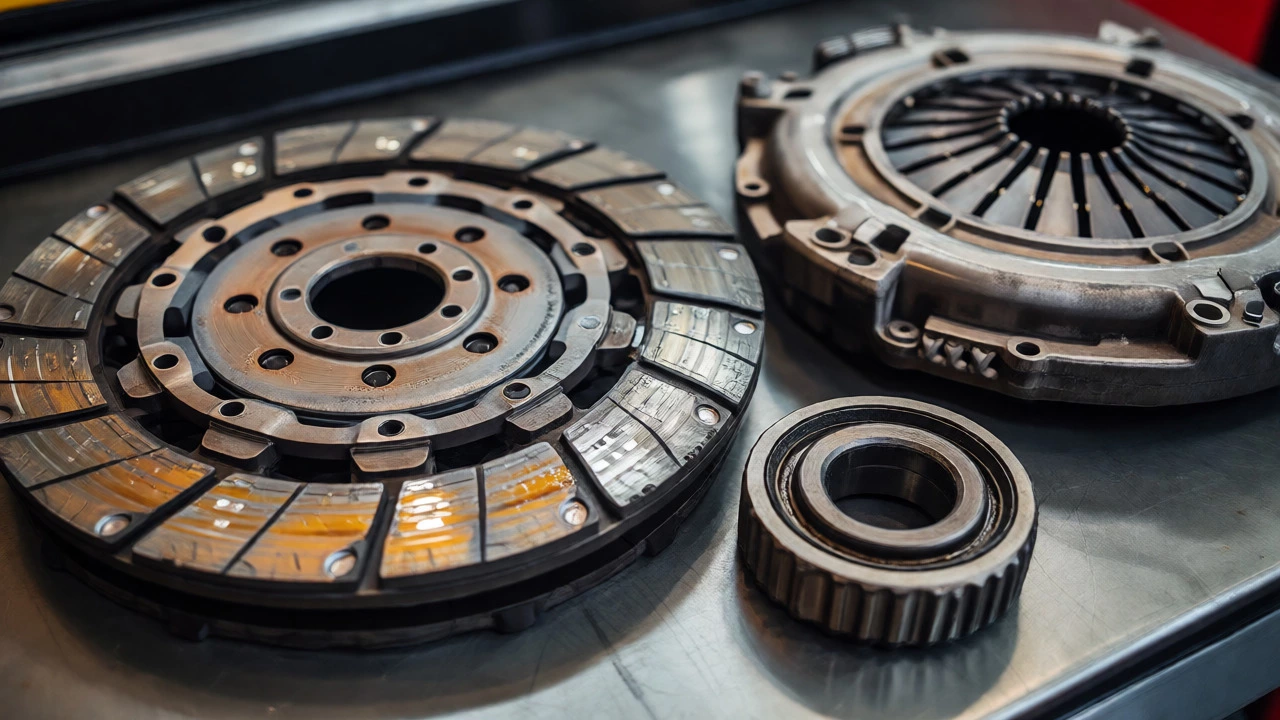
This is a critical decision point. A clutch kit typically includes three parts: the friction disc, the pressure plate, and the release bearing. Some mechanics offer to replace only the disc if the others look okay. But here’s the reality: labor costs dominate the bill. Removing the gearbox to access the clutch takes hours. If you replace just the disc today and the pressure plate fails six months later, you pay for that same labor again.
Always replace the full kit. The pressure plate spring loses tension over time, even if it looks fine visually. And the release bearing is buried deep inside the bell housing. Replacing it while you’re already there costs pennies compared to doing it separately.
| Component | Common Failure Mode | Replacement Recommendation |
|---|---|---|
| Friction Disc | Worn thin, glazed surface, cracked rivets | Replace with kit |
| Pressure Plate | Spring fatigue, warping due to heat | Replace with kit |
| Release Bearing | Noise (whine/growl), sticking | Replace with kit |
| Flywheel | Warped, scored surface, dual-mass damper failure | Resurface or replace if damaged |
| Pilot Bearing | Squealing noise in neutral | Replace if accessible |
The Flywheel Factor: Single vs. Dual Mass
Not all clutches connect directly to a solid metal disc. Many modern cars, especially diesel models and higher-end petrol vehicles, use a Dual-Mass Flywheel (DMF). Unlike a traditional Single-Mass Flywheel, a DMF contains internal springs and dampers to reduce vibration and noise.
Why does this matter for replacement timing? DMFs fail differently. They develop rattling noises at idle or shuddering during acceleration. If your car has a DMF, you must inspect it closely when changing the clutch. A failed DMF can destroy a new clutch kit quickly. Replacing a DMF is significantly more expensive than resurfacing a single-mass flywheel, so budget accordingly. In some cases, converting to a single-mass flywheel with a heavier clutch disc is an option for older cars, but this requires expert tuning to avoid driveline vibrations.
Cost Breakdown: What to Expect in 2026
Prices vary by region and vehicle complexity. In the UK market, expect to pay between £400 and £900 for a standard clutch kit replacement on a family hatchback. Luxury cars, SUVs, or performance vehicles can cost upwards of £1,500.
Here’s where the money goes:
- Parts: £150-£400 depending on brand (OEM vs. aftermarket).
- Labor: £250-£500. This is the biggest variable. Front-wheel-drive cars are generally easier to work on than rear-wheel-drive trucks.
- Extras: Gearbox oil, seals, and flywheel machining add another £50-£150.
Don’t cheap out on parts. A £50 cheaper clutch kit that fails in two years costs you more in labor than buying a premium brand like Sachs, LUK, or Valeo upfront.
DIY or Professional Repair?
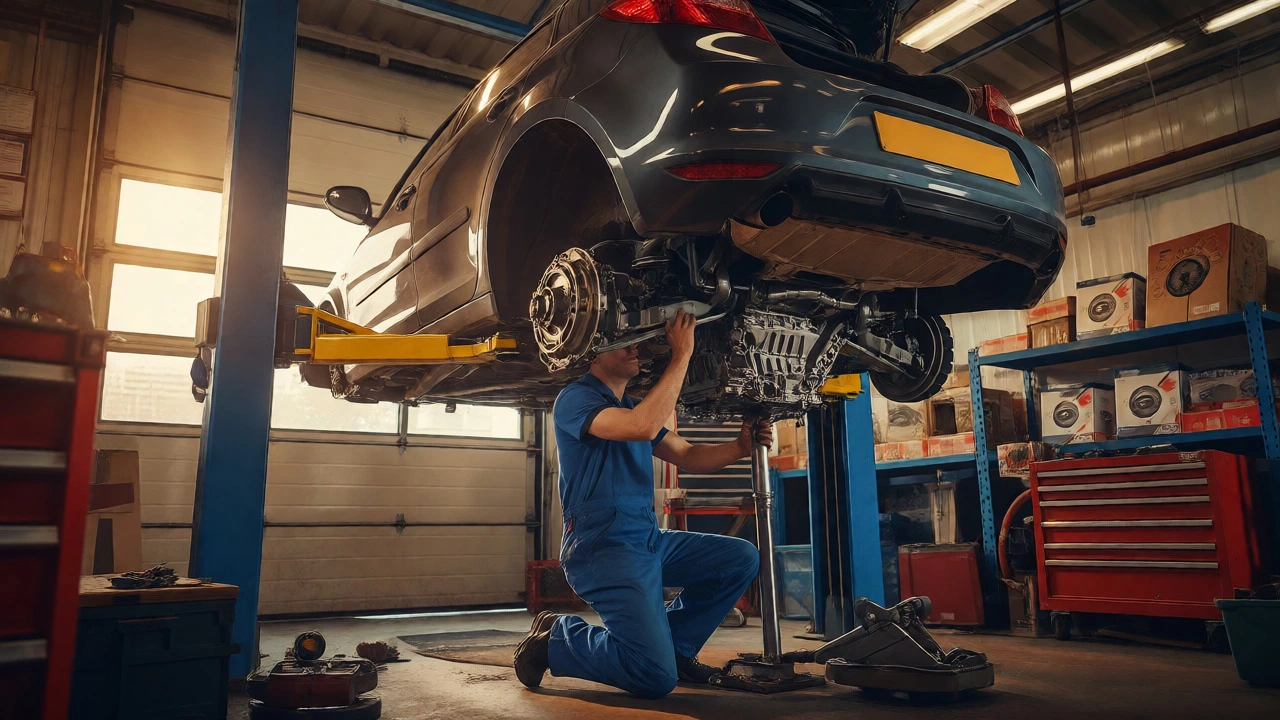
Can you do this yourself? Yes, if you have experience with transmissions. You’ll need a jack, stands, specialized tools to support the engine, and patience. The hardest part is aligning the clutch disc to the flywheel without getting grease on the friction surface.
However, for most people, professional installation is safer. Incorrect torque settings on the pressure plate bolts can warp the cover. Poor alignment leads to premature wear. Plus, disposing of old clutch dust (which may contain asbestos in older cars) requires care.
Preventive Maintenance Tips
You can’t service a clutch like you service oil, but you can protect it.
- Fix Leaks Early: Oil from the engine or gearbox contaminates the clutch disc. Clean surfaces grip better. If you see oil around the bell housing, fix the seal before installing a new clutch.
- Avoid Hill Starts via Clutch: Use the handbrake to hold the car on steep inclines rather than holding the clutch at the bite point.
- Check Hydraulics: Bleed the clutch master and slave cylinders if the pedal feels spongy. Air in the lines causes incomplete disengagement, leading to grinding.
Final Verdict: Don’t Wait for the Smoke
If you notice slipping under load or a high bite point, schedule a diagnostic check. Driving on a dying clutch risks damaging the flywheel and starter motor. Catching it early means a straightforward swap. Ignoring it turns a routine maintenance job into a major repair.
Your clutch is a wear item, like brake pads. Treat it with respect, avoid bad habits, and replace the whole kit when needed. Your wallet-and your peace of mind-will thank you.
How long does a clutch kit last in miles?
Typically between 50,000 and 100,000 miles. City driving reduces this lifespan, while highway driving extends it. Aggressive driving habits can cut longevity in half.
What does a slipping clutch feel like?
The engine RPMs increase without a corresponding increase in vehicle speed. You might hear the engine roar while accelerating uphill, but the car struggles to gain momentum.
Is it safe to drive with a slipping clutch?
For short distances, yes. But prolonged driving on a slipping clutch generates excessive heat, which can warp the flywheel and damage the pressure plate, turning a simple repair into a complex one.
Do I need to replace the flywheel with the clutch kit?
Not always. Single-mass flywheels can often be resurfaced if they aren't warped or deeply grooved. Dual-mass flywheels usually require replacement if worn, as they cannot be resurfaced effectively.
Why is my clutch pedal staying on the floor?
This usually indicates a hydraulic failure, such as a leak in the master cylinder, slave cylinder, or a broken return spring. It rarely means the clutch disc itself is broken, but the system cannot disengage it.