Worn Brake Pads: Signs, Risks, and When to Replace Them
When your worn brake pads, thin or damaged friction material on your car’s braking system that stops the wheels by pressing against rotors. Also known as brake linings, they’re one of the most critical safety parts in your vehicle. If they’re thin, cracked, or glazed, your car won’t stop as it should—and you might be damaging other expensive parts without even realizing it.
Worn brake pads don’t just fade slowly. They scream. That high-pitched squeal? That’s the metal wear indicator rubbing against the rotor, begging you to stop driving. Ignore it, and you’ll start hearing grinding—metal on metal. That’s not just noise, that’s your brake rotors, the spinning discs that brake pads clamp down on to stop the car. getting scored, warped, or even cracked. Replacing rotors costs three times more than replacing pads. And if you wait too long, you could lose braking power completely, especially in wet or emergency stops.
It’s not just about sound. Worn brake pads mean longer stopping distances. You’ll feel the pedal go further before the car responds. The steering might pull to one side. You might smell burning when you stop. These aren’t myths—they’re real warning signs backed by crash data from UK road safety studies. Many drivers think they can wait until the next service, but brake wear doesn’t follow a schedule. It follows your driving habits: heavy city traffic, frequent hard stops, or hauling heavy loads all eat through pads faster.
Some people try to stretch out replacements because they don’t know how to check them. You don’t need a garage. Just look through your wheel spokes—if the pad looks thinner than a quarter inch, it’s time. Or get under the car (safely) and measure with a ruler. Most pads start at about 12mm and need replacing by 3mm. If you’re unsure, a quick brake check at a trusted centre takes five minutes and saves thousands.
And here’s the thing: replacing pads alone isn’t always enough. If your rotors are already damaged, new pads won’t work right. They’ll wear unevenly, vibrate, and make noise again in weeks. That’s why brake wear, the gradual thinning of brake pad material due to friction and use. always needs to be looked at together with the rotors. One affects the other. You can’t fix one without checking the other.
What you’ll find below are real, no-fluff guides from drivers and mechanics who’ve been there. From how to spot the early signs before the squeal starts, to what happens when you delay replacement, to the exact cost differences between swapping just pads versus pads and rotors. You’ll also see why some brands last longer than others, how driving style impacts wear, and what to ask for when you get your brakes checked. No jargon. No upsells. Just what you need to know to keep your car stopping safely—and avoid paying for damage you could’ve prevented.
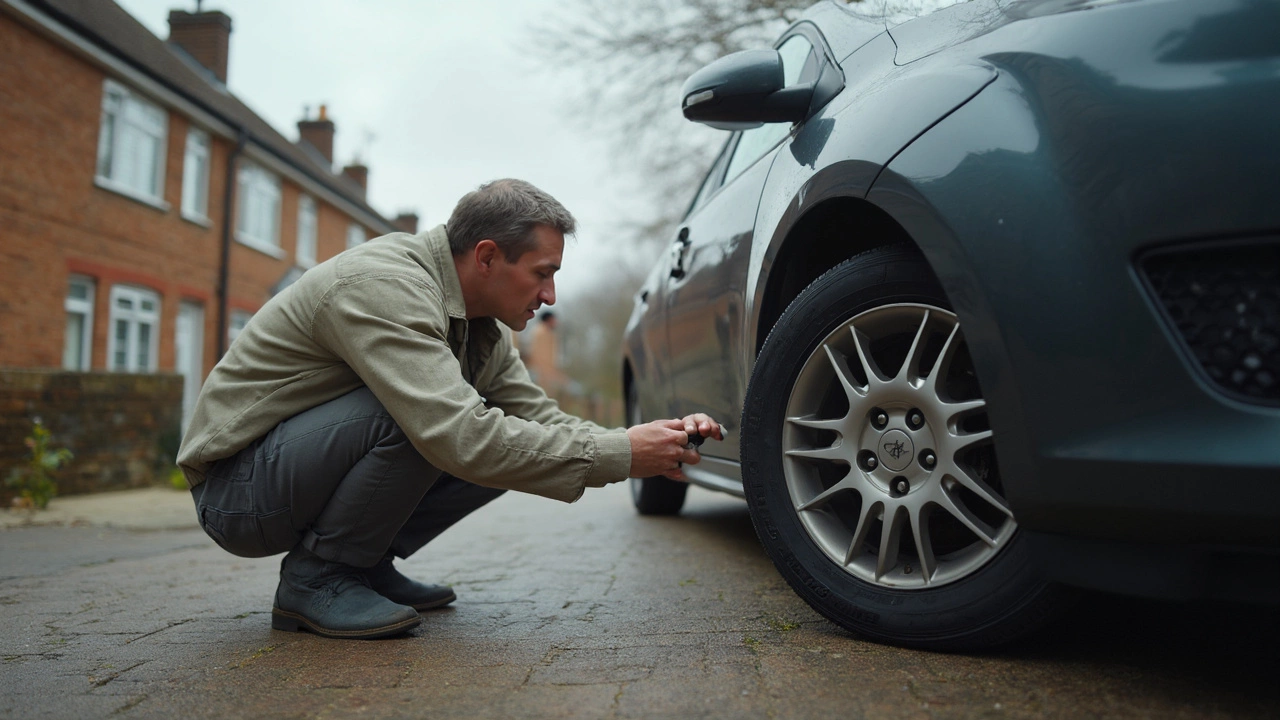
Brake Pads Worn? How to Spot the Signs Fast
Wondering if your brake pads are worn out? This article breaks down the real-world warning signs that mean it's time to check or replace your pads. Along the way, you'll pick up simple tips, learn why ignoring those signs can be risky, and discover some surprising facts about how long brake pads usually last. Get the info you need to keep your car safe and your wallet happy. No mechanic jargon or guesswork—just clear, actionable advice.
June 15 2025