Vehicle Lifespan: How Long Your Car Parts Really Last
When we talk about vehicle lifespan, the total usable life of a car before major components fail or become unsafe. Also known as car longevity, it’s not just about mileage—it’s about how well each part holds up under real use. Most people think a car lasts 150,000 miles and that’s it. But that’s not the whole story. Your clutch lifespan, how long the clutch assembly lasts before needing replacement can be 60,000 miles or 120,000 miles depending on how you drive. Same with your radiator lifespan, how long the cooling system stays functional before leaking or overheating. Some last 15 years. Others crack by year 6 because someone ignored coolant changes.
It’s not magic. It’s maintenance. A brake pads, friction material that slows the car by pressing against the rotor don’t wear out on a timer—they wear out when you ride the brake, drive in heavy traffic, or haul heavy loads. And your engine oil lifespan, how long motor oil stays effective before breaking down and forming sludge isn’t fixed at 5,000 miles either. If you drive short trips in cold weather, oil degrades faster—even if you haven’t hit the mileage. That’s why some engines die before 100,000 miles, while others hit 300,000 with no major repairs. It’s not luck. It’s knowing what to watch for.
What you’ll find below isn’t guesswork. These are real signs from real UK drivers: the squeal before brake pads fail, the coolant leak that means your radiator’s done, the rough idle that tells you spark plugs are worn out. No fluff. No marketing. Just what happens when parts reach their limit—and how to catch it before you’re stranded or stuck with a £2,000 repair bill. Whether you’re checking your own car or just trying to understand why your mechanic says it’s time, this collection gives you the facts you need to make smart calls.
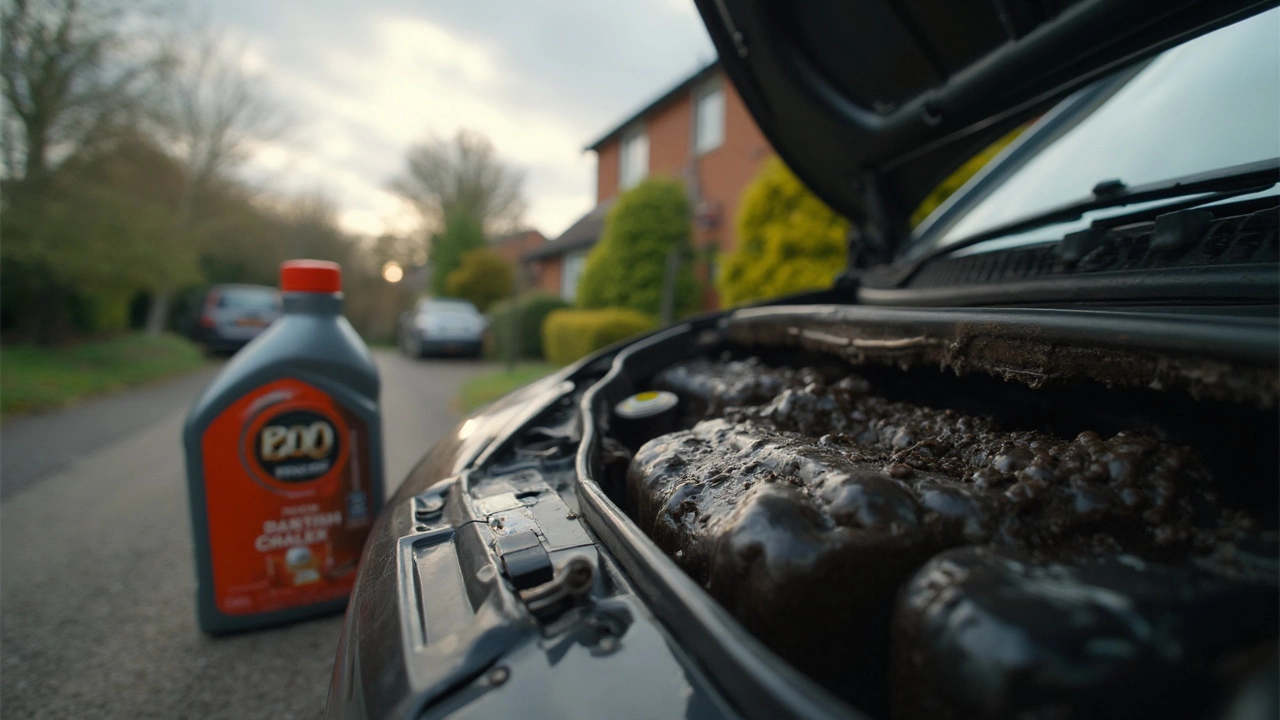
Engine Oil: What Happens If You Don't Change It?
Skipping oil changes may sound harmless, but it can wreck your engine faster than you think. This article dives into the real consequences of ignoring oil changes, like engine wear, sludge buildup, and surprise repair bills. You'll learn why oil matters, how the damage shows up, and what warning signs to spot. Simple tips show you when and how to keep your oil fresh, helping you save money and avoid a blown engine. It's a practical guide for anyone who cares about their car's health and their wallet.
April 26 2025