Spark Plug Symptoms: Common Signs Your Spark Plugs Are Failing
When your car sputters, stalls, or feels like it’s dragging, the culprit isn’t always the fuel system or the battery—it could be your spark plugs, small but critical components that ignite the air-fuel mixture in your engine’s cylinders. Also known as ignition plugs, they’re one of the most overlooked parts in routine maintenance, even though they directly control how smoothly your engine runs. Most drivers don’t think about spark plugs until something goes wrong, but by then, you’re already dealing with reduced fuel economy, harder starts, or even engine damage.
Bad spark plugs don’t always scream for attention—they whisper. You might notice your engine misfires when accelerating, especially uphill or under load. That’s the engine skipping a combustion cycle because the spark isn’t strong enough. You might hear a ticking or rattling noise from the engine bay, or feel the car shaking at idle. These aren’t just annoyances; they’re signs your spark plugs are worn, fouled, or cracked. Over time, this forces your engine to work harder, which burns more fuel and increases emissions. If you’ve seen your fuel economy drop suddenly without changing your driving habits, worn spark plugs are a top suspect.
It’s not just about performance. Ignoring these symptoms can lead to bigger problems. A misfiring cylinder can cause unburned fuel to wash down the cylinder walls, diluting your engine oil. That leads to increased wear on pistons and rings. In extreme cases, it can even damage your catalytic converter—a repair that costs five times more than replacing all your spark plugs. And while some people wait until the check engine light comes on, that’s already too late. Modern cars often trigger the light only after multiple misfires, meaning your spark plugs have been failing for weeks.
There’s no single symptom that says "replace me now," but a combination of rough idle, poor acceleration, higher fuel bills, and hard starts is a clear pattern. And if your car has over 60,000 miles and you’ve never replaced them, you’re overdue—even if everything seems fine. Spark plugs don’t die suddenly; they degrade slowly. That’s why preventive replacement matters. The right plugs, installed on schedule, keep your engine running clean, efficient, and reliable.
Below, you’ll find real-world guides that break down exactly what to look for, when to act, and how to avoid being misled by common myths. Whether you’re a DIYer or just trying to understand what your mechanic is telling you, these posts give you the facts—not the fluff.
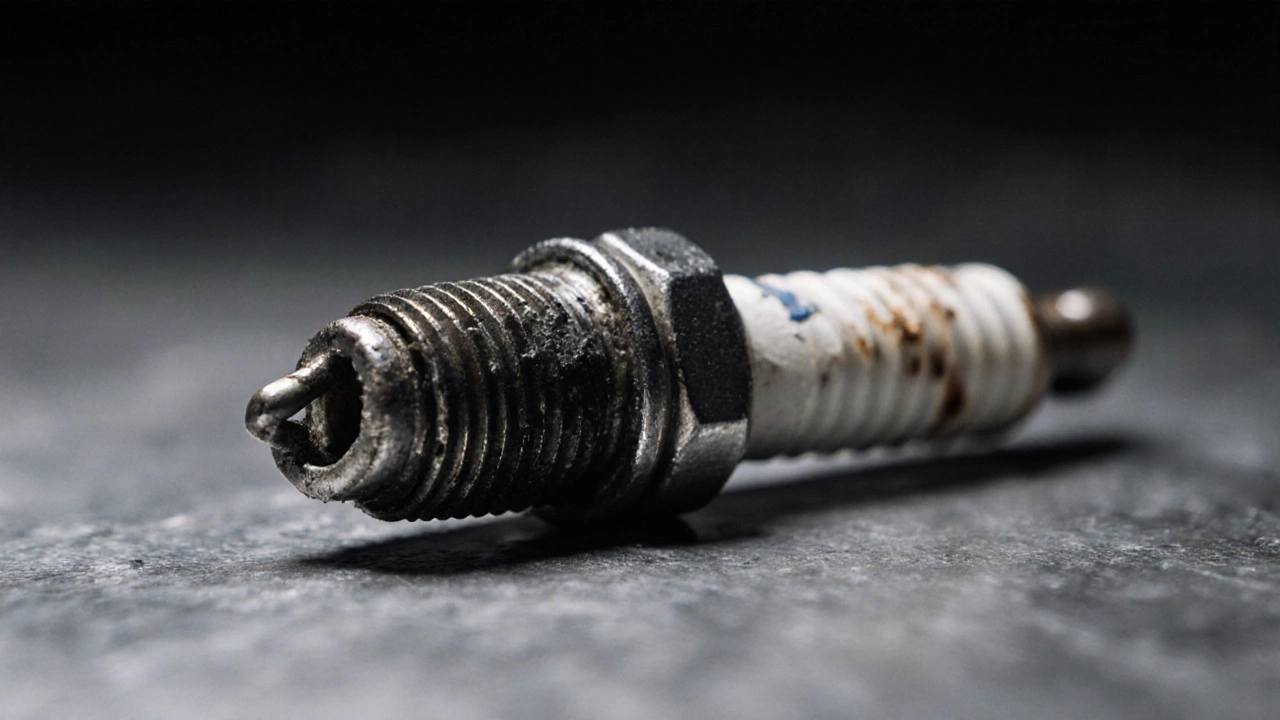
How Do I Know If My Spark Plugs Need Changing? Signs You Can't Ignore
Learn the clear signs your spark plugs need replacing-rough idle, poor fuel economy, hard starts, and more. Don't wait for breakdowns; fix them before they cost you more.
November 20 2025