Rim Mistakes: Common Errors and How to Avoid Them
When you hit a pothole or scrape a curb, it’s not just your tires that take the hit—it’s your rim, the metal or alloy ring that holds your tire in place and connects to your vehicle’s suspension. Also known as a wheel, it’s built to handle bumps, but not abuse. A damaged rim can lead to slow leaks, uneven tire wear, shaky steering, and even blowouts. Most drivers don’t realize how easily rims get bent or cracked until it’s too late.
One of the biggest rim mistakes is ignoring small dents or scratches. People think, "It still holds air, so it’s fine." But a tiny bend can throw off your wheel balance, causing vibrations at highway speeds and wearing out your shocks faster. Another common error is over-tightening lug nuts. Too much torque warps the rim surface, leading to uneven contact with the tire and dangerous hot spots. And don’t assume all rims are the same—using the wrong size or offset can rub against suspension parts or brake calipers, creating damage you won’t see until it’s too late.
Then there’s the issue of cleaning. Some people use harsh wheel cleaners or wire brushes that strip protective coatings, leaving the rim vulnerable to corrosion. Salt in winter? That’s a silent killer for alloy rims. And let’s not forget improper storage—stacking rims on top of each other or leaving them outside in the rain leads to rust and warping. Even something as simple as parking too close to the curb adds up. One scrape here, one bump there, and suddenly you’re looking at a $500 repair instead of a $50 fix.
What makes this even trickier is that rim damage doesn’t always show up right away. You might not feel it until your tire starts losing air slowly, or your car pulls to one side. That’s why regular checks matter. A quick visual inspection every time you fill up can catch cracks, bends, or corrosion early. And if you’ve hit something hard, don’t just drive on—get it checked. Many shops offer free rim inspections, and it takes less than five minutes.
The good news? Most rim mistakes are preventable. Slowing down near curbs, using wheel protectors, checking lug torque with a proper torque wrench, and cleaning with the right products go a long way. And if you do get damage, don’t rush to replace the whole wheel. Many bends can be repaired safely—if caught early. This collection of posts gives you the real-world signs of rim trouble, how to spot them without tools, and what to do before you end up with a blown tire or worse. You’ll find clear guides on how to inspect your wheels, when to repair versus replace, and how to avoid the same mistakes most drivers make over and over again.
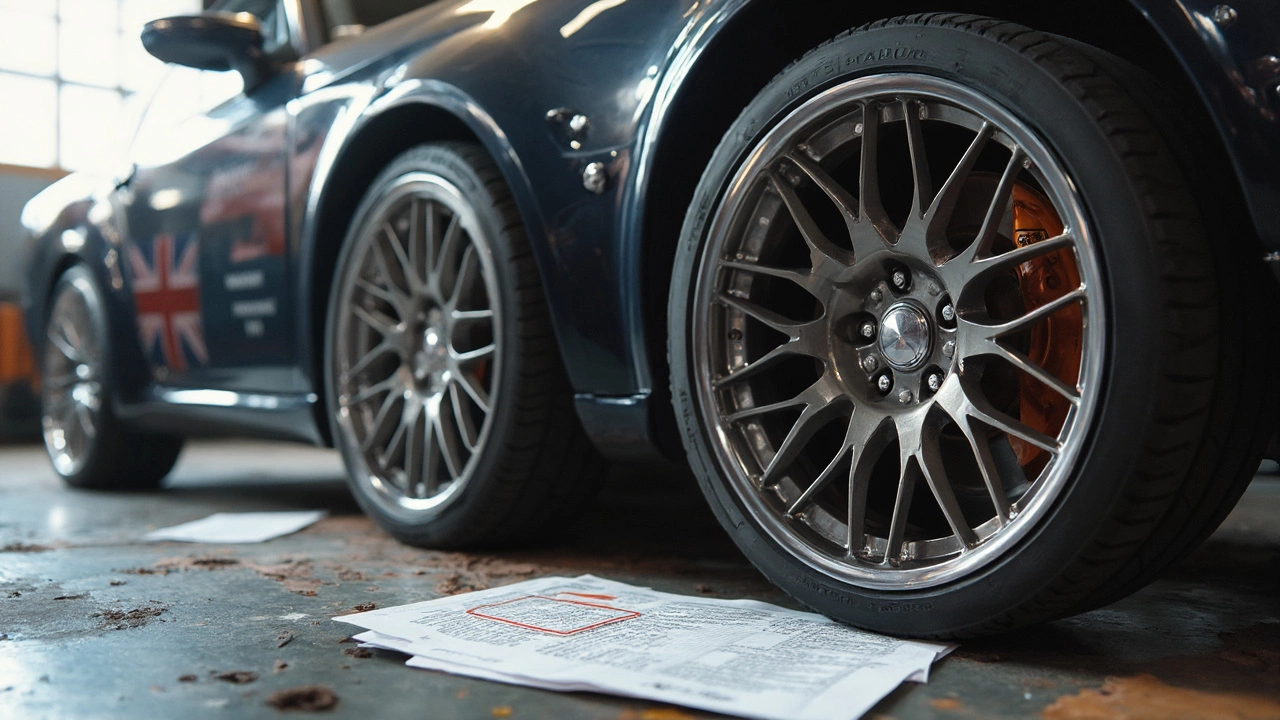
What to Avoid When Buying Rims: Key Alloy Wheels Mistakes
Choosing alloy wheels isn’t just about looks—there are some costly pitfalls that can wreck your ride or your wallet. This article breaks down what to watch out for when shopping for rims, from sizing blunders to fake brands. You'll get actionable tips, easy checks, and insider tricks to help you buy with confidence. Don't throw money away on the wrong wheels. Get the facts before you hit 'buy now.'
May 24 2025