Radiator Swap: When and How to Replace Your Car's Cooling System
When your car starts running hot, the radiator, the main component that cools engine coolant by transferring heat to the air. Also known as a cooling radiator, it's one of the most critical parts you’ll never notice—until it fails. Most radiators last 8 to 12 years, but if you’re seeing leaks, rust, or your engine keeps overheating, a radiator swap isn’t optional. It’s the difference between a quick repair and a totaled engine.
A radiator swap isn’t just about pulling out the old unit and slapping in a new one. It’s tied to the whole cooling system, the network of hoses, thermostat, water pump, and coolant that keeps your engine at the right temperature. If you’re replacing the radiator, you should also check the thermostat—it’s a common culprit behind overheating. A stuck thermostat can make a brand-new radiator look faulty. Same goes for the coolant. Old, dirty fluid turns into sludge and clogs passages, which is why a coolant flush, the process of draining and replacing old coolant with fresh fluid. should always happen during a radiator swap. Skipping it is like putting a new tire on a car with bad brakes—you’re setting yourself up for another problem soon.
Many people think radiator failure shows up as steam or smoke, but the real signs are quieter. A sweet smell under the hood? That’s antifreeze leaking. Low coolant levels with no visible leaks? The radiator might be internally corroded. White, milky oil? That’s coolant mixing with engine oil—likely from a cracked radiator or head gasket. If you’ve noticed any of these, don’t wait. A radiator swap is cheaper than a new engine.
And don’t assume all radiators are the same. Your car’s make, model, and year determine the exact fit, material (aluminum vs. copper), and even the flow direction. Using the wrong one can cause poor cooling, overheating, or even damage to the water pump. Always match the OEM part number or get a direct replacement from a trusted supplier. And while you’re at it, check the radiator cap—it’s a tiny part that maintains pressure in the system. A weak cap can cause the coolant to boil even if everything else is fine.
Some drivers try to delay a radiator swap by adding stop-leak products. These might plug a small leak temporarily, but they clog the narrow tubes inside the radiator and the heater core. That leads to worse overheating and expensive repairs down the line. If your radiator’s leaking or corroded, the only real fix is replacement.
What you’ll find below are real-world guides from drivers and mechanics who’ve been there. You’ll see how long radiators actually last, what symptoms to watch for before it’s too late, how to avoid overpaying for a replacement, and why skipping a coolant flush is a mistake most people regret. Whether you’re planning to do the swap yourself or just want to know if your mechanic is giving you the right advice, these posts give you the facts—no fluff, no upsells, just what works.
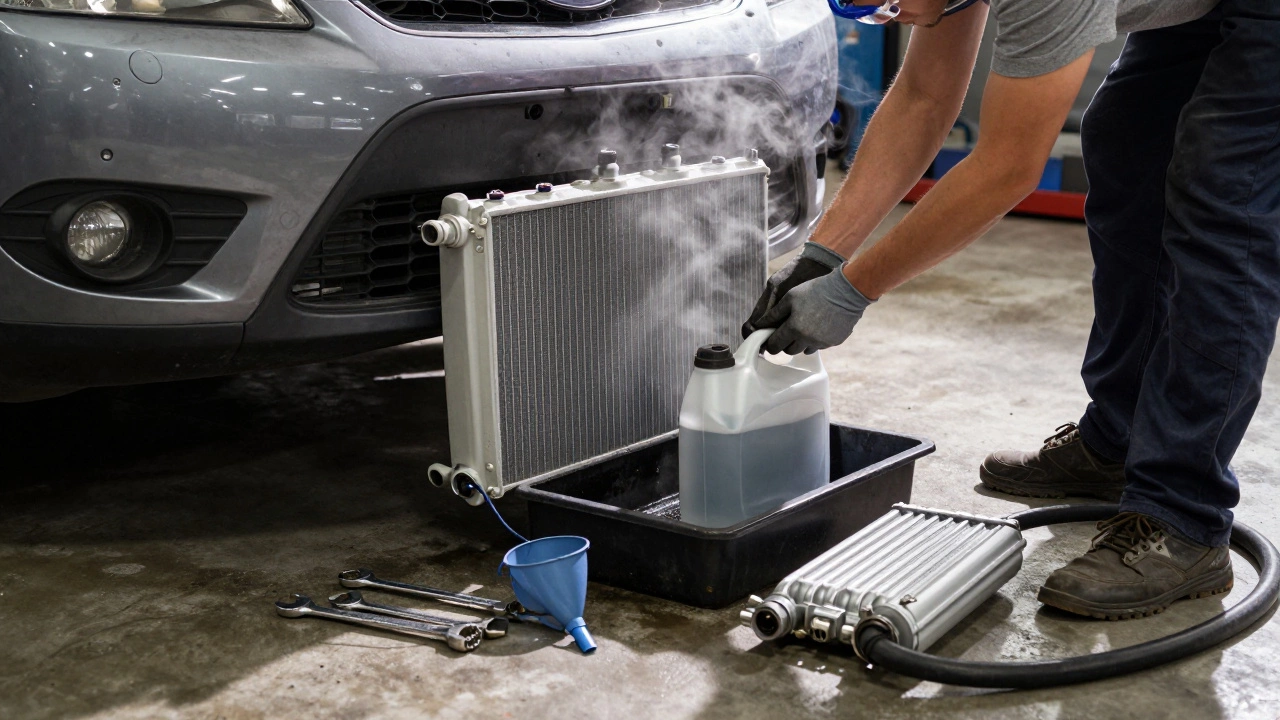
Is Changing a Radiator Easy? A Real-World Guide for Car Owners
Changing a radiator is doable for DIYers with the right tools and patience. Learn the steps, common mistakes, costs, and when to call a pro to avoid costly engine damage.
December 4 2025