Oil Starvation: What It Is, How It Kills Engines, and How to Prevent It
When an engine suffers from oil starvation, a condition where critical engine parts don't receive enough lubricating oil to function. Also known as lubrication failure, it's not just about low oil levels—it's about oil not reaching the right places at the right time. This isn't a slow decline. It's a sudden, violent breakdown that can turn a healthy engine into scrap metal in minutes.
Oil starvation doesn't always mean your dipstick is dry. You can have a full tank and still starve your engine. It happens when the oil pump fails, the oil filter clogs, the oil pan leaks, or the engine runs too hot and the oil breaks down. It’s also common after aggressive driving, especially if you’ve skipped oil changes or used the wrong type of oil. engine oil, the lifeblood of your engine’s moving parts. Also known as motor oil, it’s designed to flow under pressure to bearings, pistons, valves, and camshafts. Without that flow, metal grinds on metal. Bearings seize. Pistons scuff. Valves snap. The damage is often irreversible.
What makes oil starvation so dangerous is how quiet it is. No warning lights always pop up. No loud bangs. Just a gradual loss of power, a strange ticking noise, or an engine that suddenly won’t start. By then, it’s too late. That’s why checking oil pressure, the force pushing oil through your engine’s internal passages. Also known as lubrication pressure, it’s the real indicator of whether oil is doing its job. matters more than just looking at the level. And why changing oil on time isn’t just a suggestion—it’s a requirement. Going too long between changes lets sludge build up, clogging oil passages and cutting off supply to vital parts. Even if your car runs fine, old oil loses its ability to protect under stress.
You won’t find oil starvation mentioned in your owner’s manual as a standalone problem. But if you read between the lines of guides on oil change intervals, engine overheating, or how to check your oil properly, you’ll see it’s the hidden thread tying them all together. Every post in this collection—from why you shouldn’t add oil to a running engine, to what happens when you skip oil changes, to how synthetic oil behaves under heat—leads back to one truth: oil starvation doesn’t care how much you paid for your car. It only cares if you gave it the right oil, at the right time, with the right flow.
Below, you’ll find real-world guides that show you exactly how to spot the early signs, avoid the mistakes that cause it, and protect your engine before it’s too late. No fluff. No theory. Just what works.
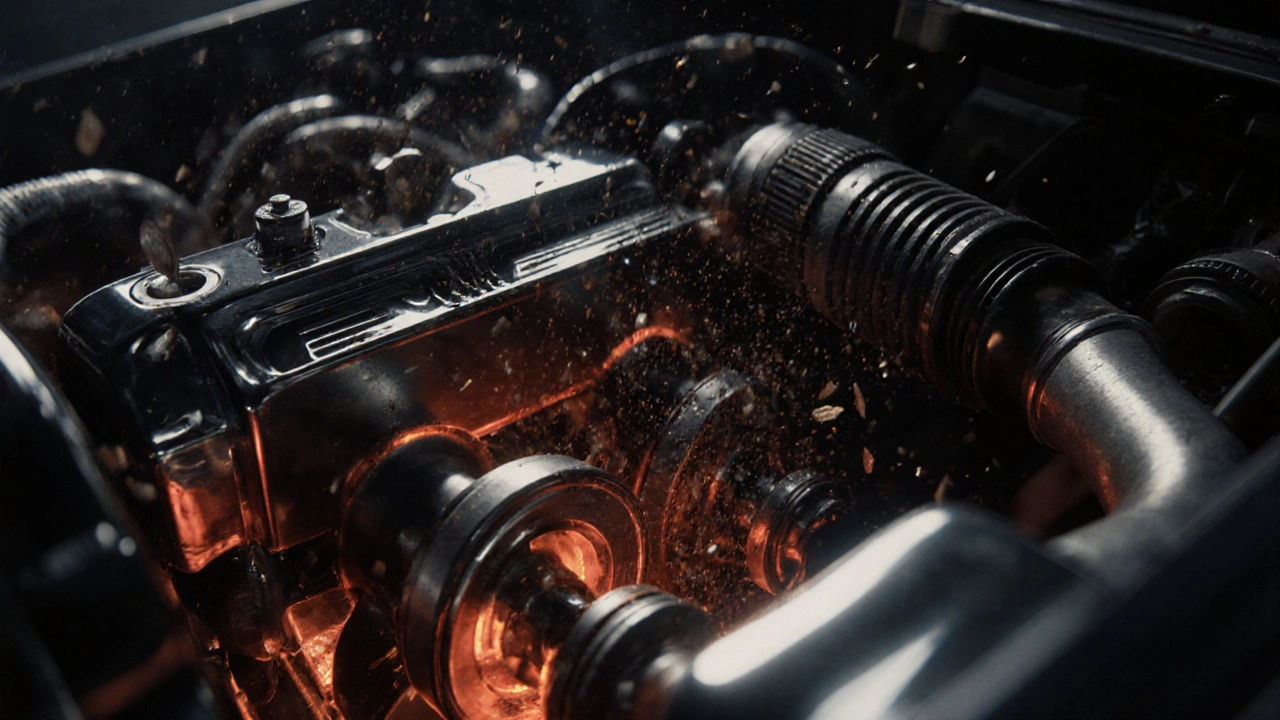
How Long Will a Car Run Without Oil? The Real Timeline and What Happens Inside the Engine
Driving without engine oil can destroy your engine in under 30 seconds. Learn what happens inside, how long you can really run without oil, and how to prevent catastrophic damage before it's too late.
October 27 2025