Oil Change: When, Why, and What Happens If You Skip It
When you think about oil change, the process of replacing old engine lubricant with fresh fluid to maintain internal engine health. Also known as motor oil replacement, it's not just a box to tick—it's the single most important thing you can do to keep your engine alive. Most people think it's about mileage, but it’s really about time, heat, and contamination. Even if you drive less than 5,000 miles a year, oil still breaks down. Moisture builds up. Dirt gets in. And over time, that thick, dirty sludge starts eating away at your engine from the inside.
Engine oil doesn’t just lubricate—it cools, cleans, and seals. When it degrades, your engine oil, the fluid that reduces friction between moving metal parts inside the engine loses its ability to protect. That’s when metal starts grinding on metal. Bearings wear. Pistons scuff. Valves stick. And before you know it, you’re facing a repair bill that could buy a used car. Skipping an oil change interval, the recommended timeframe or mileage between oil replacements isn’t saving money—it’s gambling with your engine’s life. Some drivers stretch to 10,000 miles, especially with synthetic oil, a high-performance lubricant engineered for better heat resistance and longer durability than conventional oil. But even synthetic oil has limits. It doesn’t last forever. It doesn’t stop dirt. And it won’t save an engine that’s been running on old, dirty fluid for too long.
What happens if you go over 5,000 miles? Sludge forms. Power drops. Fuel economy tanks. Your engine starts working harder, running hotter, and eventually, it quits. One study from the Society of Automotive Engineers found that engines running past recommended oil change intervals showed up to 40% more wear on critical components. That’s not a myth. That’s science. And it’s not just about the oil—it’s about what’s in it. Tiny metal particles from normal wear. Water from condensation. Carbon from combustion. All of it piles up. And when the filter clogs or the oil thickens, your engine is left running on thin, dirty fluid that can’t do its job.
You don’t need a garage full of tools to do this right. Just know your car’s needs, check your manual, and don’t ignore the signs—dark oil, engine noise, warning lights. An oil change isn’t a luxury. It’s the cheapest insurance you’ll ever buy for your car. Below, you’ll find real-world guides on what happens when you delay it, how oil really breaks down, and what type of oil actually works for your driving style. No fluff. Just what you need to keep your engine running strong.
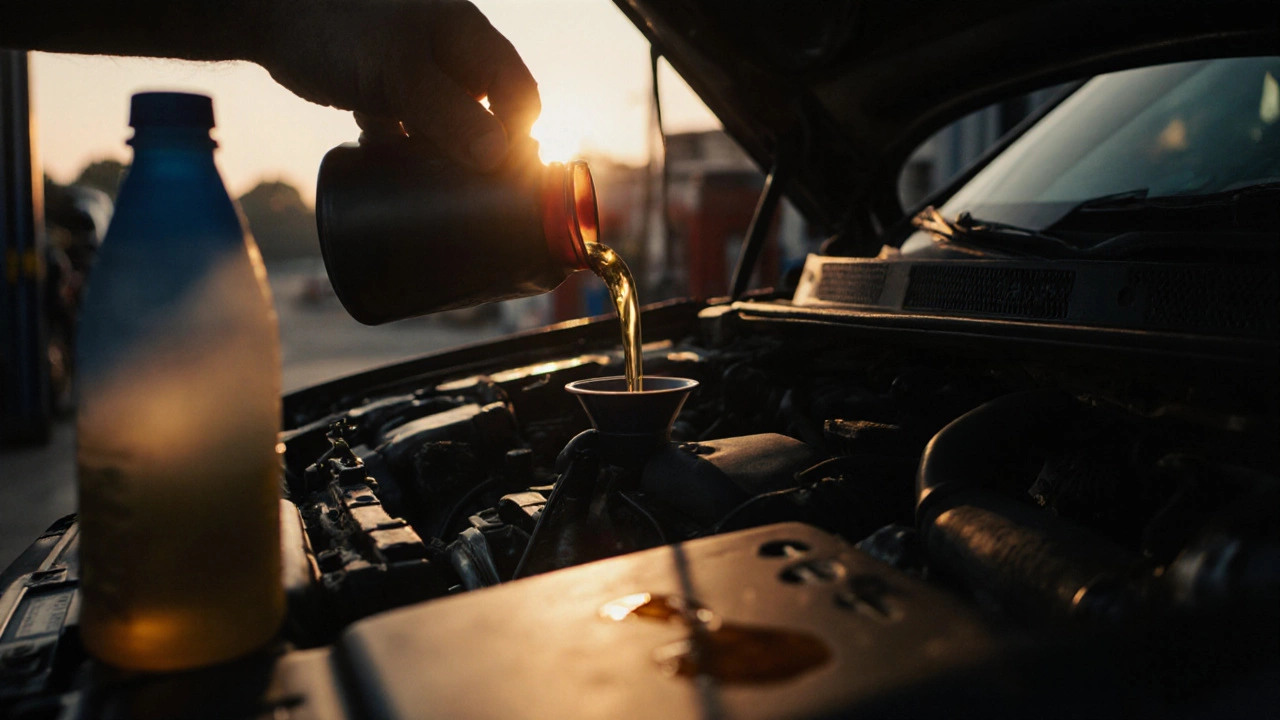
Does the Engine Need to Be Running When Adding Oil? Here's What Really Happens
Adding oil to a running engine is dangerous and inaccurate. Learn the correct way to check and add engine oil without risking overfill, foaming, or engine damage. Simple steps for every car owner.
November 17 2025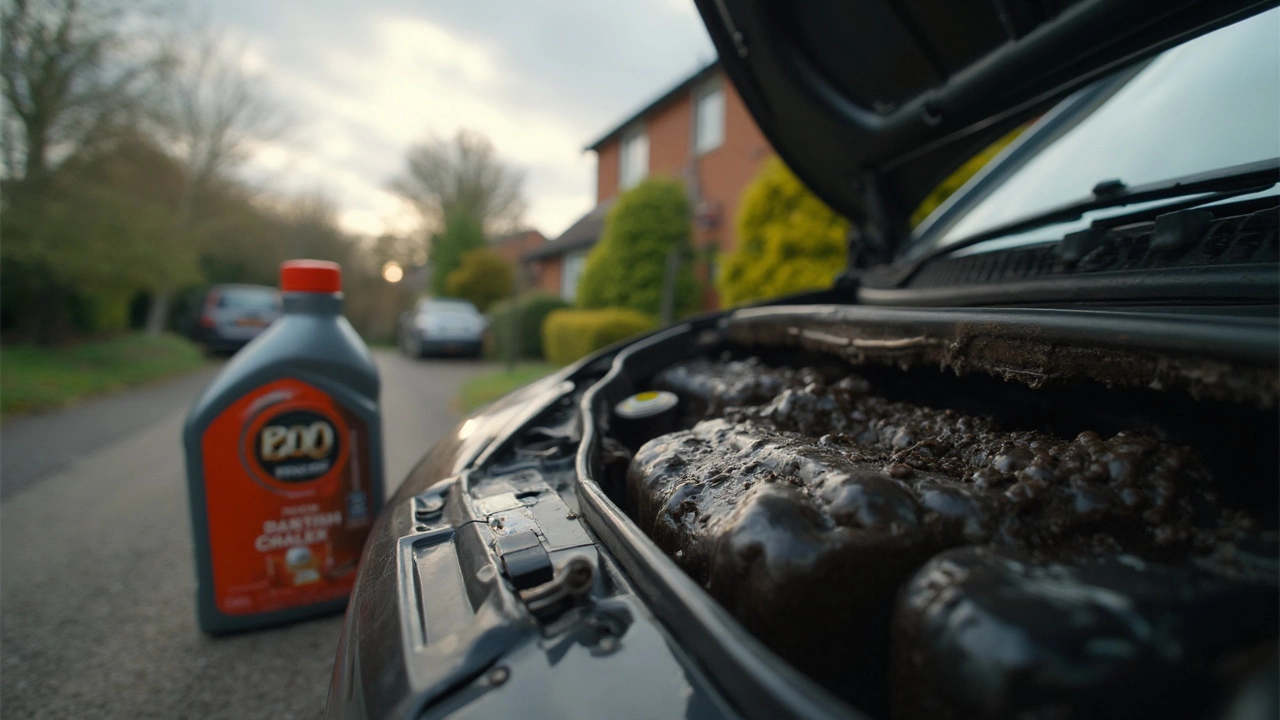
Engine Oil: What Happens If You Don't Change It?
Skipping oil changes may sound harmless, but it can wreck your engine faster than you think. This article dives into the real consequences of ignoring oil changes, like engine wear, sludge buildup, and surprise repair bills. You'll learn why oil matters, how the damage shows up, and what warning signs to spot. Simple tips show you when and how to keep your oil fresh, helping you save money and avoid a blown engine. It's a practical guide for anyone who cares about their car's health and their wallet.
April 26 2025
Optimal Oil Change Frequency for Enhanced Engine Performance
Knowing how often to change engine oil can significantly impact your car's longevity and performance. This article explores recommended oil change intervals, factors influencing these intervals, and tips for keeping your engine running smoothly. We delve into signs indicating an oil change, comparing synthetic and conventional oils, and the importance of following manufacturer guidelines. Whether you're an experienced car enthusiast or new to vehicle care, understanding oil change essentials is crucial for all drivers.
January 30 2025