Manual Transmission: How It Works, How Long It Lasts, and What to Watch For
When you shift gears by hand, you're using a manual transmission, a mechanical system that transfers engine power to the wheels through a series of gears the driver selects directly. Also known as a stick shift, it’s one of the most durable parts in your car—if you treat it right. Unlike automatics that shift on their own, a manual transmission puts control in your hands. That means you can make it last 150,000 miles or more… or wreck it in 40,000 if you ride the clutch or grind gears.
Behind that gear stick is a clutch, a friction-based coupling that connects and disconnects the engine from the gearbox. It’s the part that wears out fastest, and its lifespan depends on how you drive. Stop-and-go city driving? You’re wearing it down faster than highway cruising. A gearbox, the heart of the manual system that holds the gears and shafts, is built tough, but it needs clean fluid and smooth shifts to avoid internal damage. And don’t forget the release bearing, the component that presses the clutch plate when you push the pedal. When it starts making a whining noise, it’s not just annoying—it’s about to fail.
Most people think a manual transmission just needs oil changes, but that’s not the whole story. A worn clutch doesn’t always slip loudly. Sometimes it just feels like the car hesitates when you let the pedal up, or you need to press it deeper to get moving. That’s not "normal wear"—that’s a warning. And if you’re replacing the clutch, you’re probably also replacing the flywheel, pressure plate, and release bearing. Skipping those can mean your new clutch dies in weeks.
Manual transmissions don’t need fancy software updates or complex sensors. But they do need you to pay attention. If your gear shifts feel gritty, or you hear grinding when you shift into first, that’s not the gearbox being old—it’s the synchros wearing out. And if you’re coasting in gear instead of using the clutch to disengage, you’re putting extra stress on the transmission internals. It’s not "saving fuel"—it’s shortening the life of your transmission.
What you’ll find below are real-world guides from UK drivers and mechanics who’ve seen what happens when clutches fail, when gearboxes overheat, and when people ignore the quiet signs before the big repair bill hits. You’ll learn how to test your clutch without a garage, what mileage is actually normal, and why some drivers get 120,000 miles out of a clutch while others need a new one at 50,000. No fluff. No marketing. Just what you need to know to keep your manual running smooth—and avoid getting stranded because you waited too long to act.
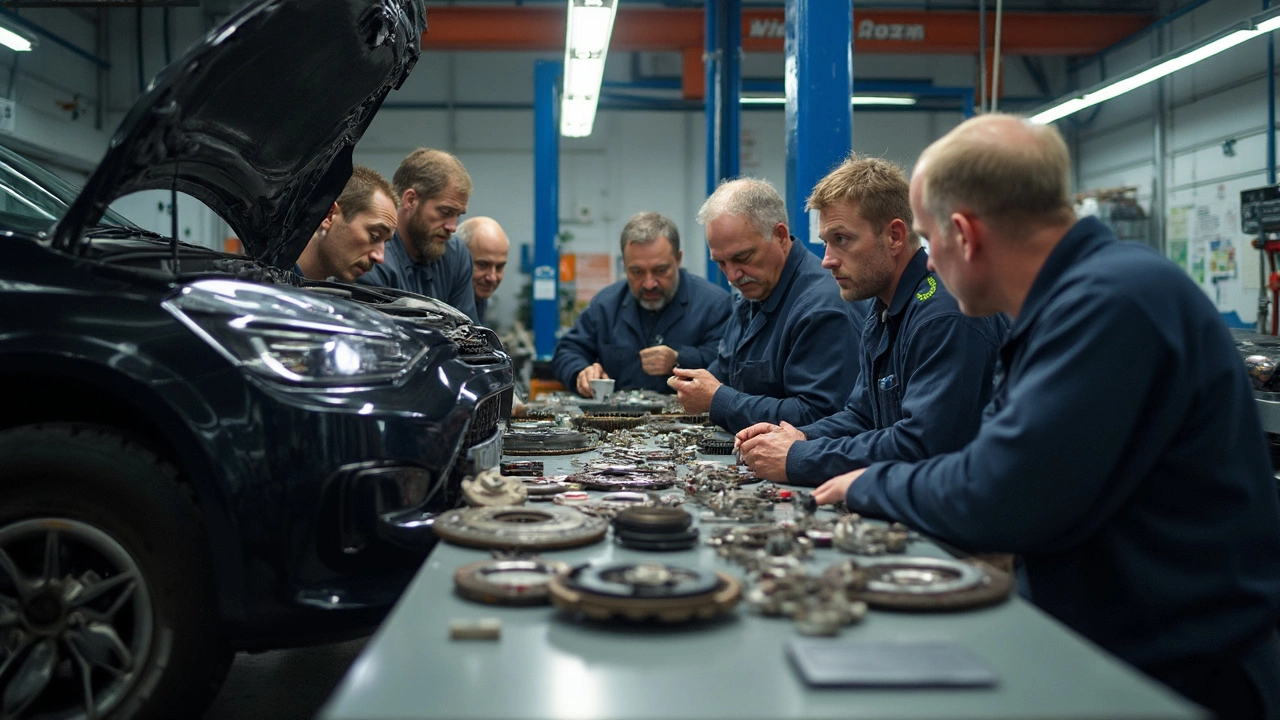
Clutch Replacement Cost: What to Expect and How to Save
Wondering how much a full clutch replacement really costs? This article breaks down the actual prices, what affects the cost, and what you’re really paying for at the shop. Find out when your clutch needs replacing and how you can cut your repair bill without skimping on quality. We’ll walk through tips to make sure you don’t get ripped off and answer the questions most folks have before spending big. Get the lowdown before you hand over your keys.
May 29 2025